

Service injuries
Razors, clippers, or hot lather can cut or burn clients.
Try a different word, or check the spelling.
Your chair renter may run their own appointments while sharing the floor, waiting area, and equipment. Shop, grooming-service, and worker protection should identify the actual responsibilities, rather than rely on the renter label to settle who is insured.
The Southern Agency can review your service menu and chair-rental arrangements with you, alongside the property and people working in the shop.
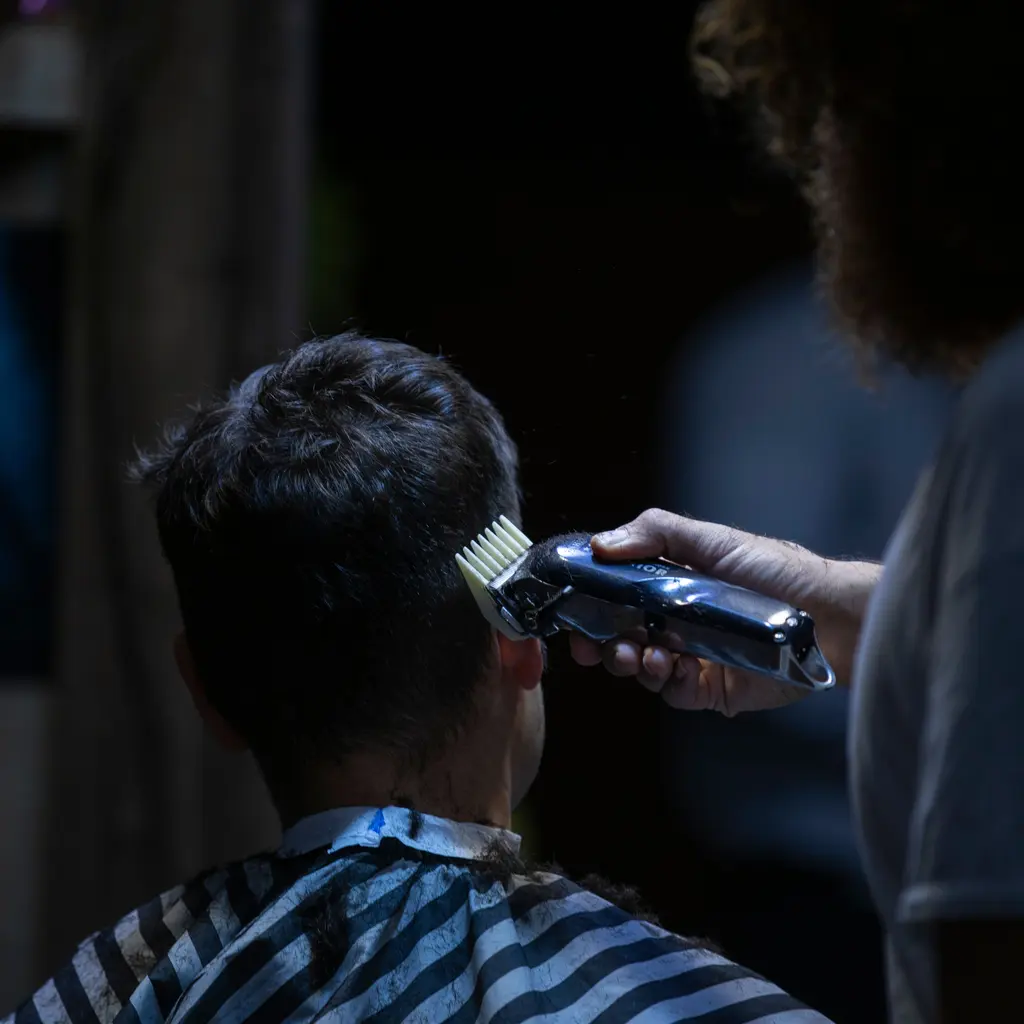
You provide grooming services such as cuts and shaves, which involve close physical contact with clients. A slip on floor clippings or a razor-related injury can lead to a liability claim against your shop.
The Southern Agency can review your shop's operations and equipment to help you select appropriate insurance to defend against customer claims. We can also clarify the distinction between your business responsibilities and those of independent chair renters.
Razors, clippers, or hot lather can cut or burn clients.
Products or tool sanitation may be blamed for reactions or infection.
Hair, water, and waiting-area traffic can cause falls.
Fire or theft can affect chairs, mirrors, and tools.
Renter arrangements and booking data create separate responsibilities.
Policies to ask about. Which ones fit depends on your operations, your contracts, and the carrier’s forms.
These hypothetical examples are not agency claim results. Whether a loss is covered depends on the facts, policy terms, and applicable exclusions.
Suppose a client is cut during a straight-razor shave and brings an injury claim. Compare the actual barber, service and alleged injury with grooming-service and bodily-injury terms. A shop BOP or renter certificate alone does not establish the treatment included or every bill paid.
Suppose a waiting customer slips on clippings in the shared aisle. Review premises control, the incident and insured shop/renter parties under actual GL terms. Responsibility is not settled solely by who rents the chair or who last swept.
Suppose a client alleges an aftershave applied during grooming caused a skin reaction. Identify product, supplier, treatment and alleged harm, then compare applied-product and service terms. Retailing a bottle for home use is a different activity; refund or product replacement is not automatically insured injury liability.
Start with the work you do and the questions your current policies leave unanswered. Carrier options depend on your location, risk, and underwriting. Explore our approach.
Review who provides services, employs people and controls common floors, waiting areas and equipment. Compare the shop and each renter's insured services/parties separately. A renter certificate does not automatically insure you, and chair-rental wording does not decide worker status.
Check that the actual shave, barber and alleged client injury fit suitable grooming-service terms, including bodily-injury and product restrictions. Ordinary shop-floor GL or a BOP label alone does not establish every razor treatment covered.
Report chairs, clippers/tools, mirrors and retail stock by owner and accepted value. Compare insured locations and causes such as fire or theft with leased/renter interests. Wear, servicing and equipment carried off-site need their own terms.
Describe who controls work, pays staff and performs each service, with payroll and work state. Have actual relationships reviewed under applicable rules. A rental label, tax form or service-liability policy does not itself establish worker classification or injury benefits.
A one-chair shop can still face razor/client injury, a visitor fall or loss of its tools and chair. Review actual services, property and worker status so the terms fit the business rather than assume small size removes the exposure or guarantees a package.
Bring the actual lease's limits, additional-insured and property/repair duties. Compare issued policies and endorsements with what you are asked to promise. A certificate reports insurance; it does not add every landlord right or insure the landlord's whole building.
Bring your questions, current policies, and relevant contracts. An agent can review coverage terms, exclusions, and the information carriers ask for, then explain the options available to you.