

Infection
Tools or foot spas can be blamed for illness.
Try a different word, or check the spelling.
Your manicure, pedicure and enhancement services may not share the same accepted treatment or infection terms. Service protection should fit the actual menu, with retail polish, station equipment, and renter responsibilities distinguished from ordinary salon-floor liability.
The Southern Agency can compare your actual nail-service menu and station duties with you, including the infection wording and equipment interests.
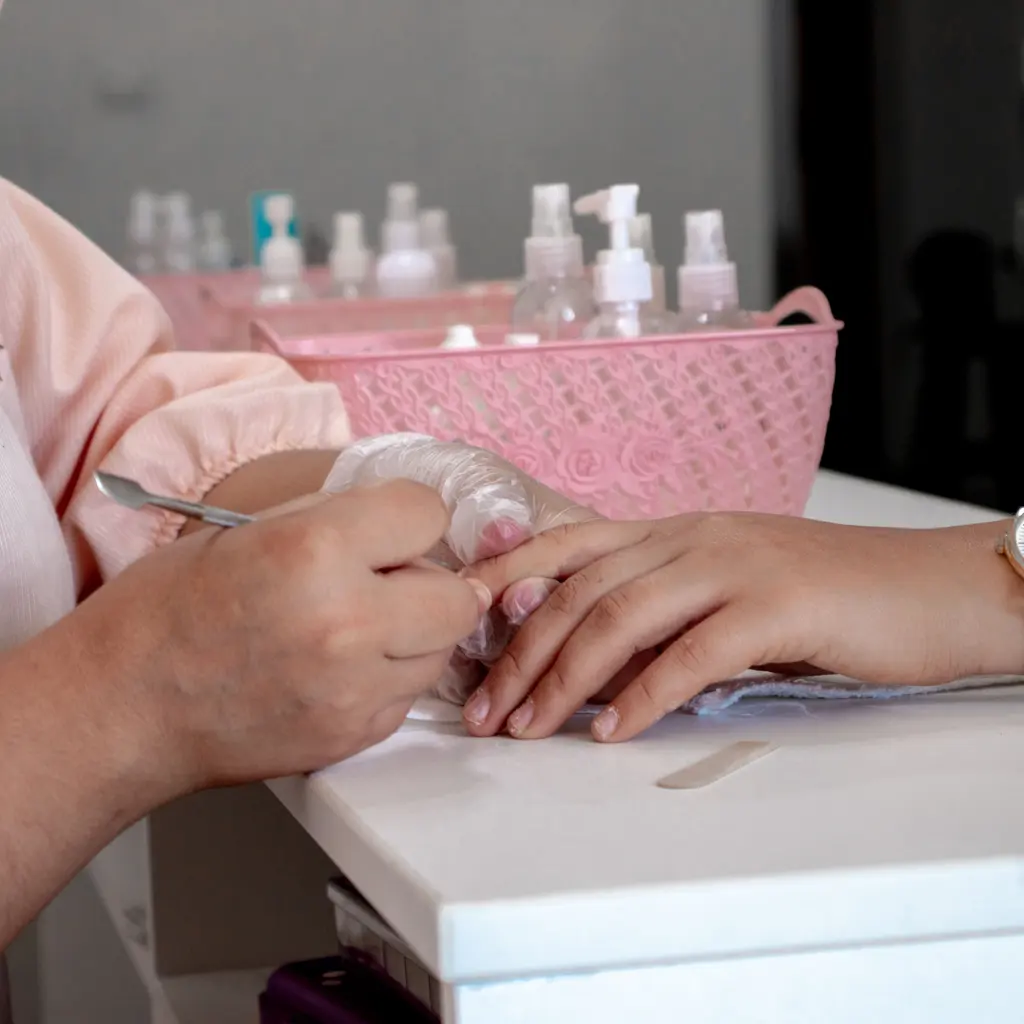
You work on clients' hands and feet using tools, foot baths and chemical products. A cut, reaction or alleged infection can raise a treatment claim, while water around a station can create a separate premises fall.
The Southern Agency can review your actual manicure, pedicure and enhancement work with you. We can compare service/infection terms with station property, retail items and actual technician arrangements, including who is insured when stations are rented.
Tools or foot spas can be blamed for illness.
Cuticle work and enhancements can damage skin or nails.
Fumes and reactions can affect clients or staff.
Flammable products and foot baths create property and premises concerns.
Employees and independent station renters have different insurance relationships.
Policies to ask about. Which ones fit depends on your operations, your contracts, and the carrier’s forms.
These hypothetical examples are not agency claim results. Whether a loss is covered depends on the facts, policy terms, and applicable exclusions.
Suppose a client alleges an infection followed a foot-spa pedicure. Review actual treatment, practitioner, alleged illness and service/infection restrictions, with relevant records. A sanitation record or BOP label does not prove the cause or every treatment claim insured.
Suppose a manicure client alleges a cut from the technician's tool caused injury. Compare the service, insured technician and bodily-injury provisions with the claim. A station-rental agreement does not automatically insure both renter and salon or establish every corrective-service bill covered.
Suppose stored solvents ignite and damage stations and stock, closing the salon. Property may address insured damage; selected income has its own waiting/restoration periods and limits. Identify stock and renter-equipment owners rather than assume every repair, canceled appointment or routine chemical replacement insured.
Start with the work you do and the questions your current policies leave unanswered. Carrier options depend on your location, risk, and underwriting. Explore our approach.
Client cuts, enhancement damage, reactions or alleged infection involve actual treatment, not only a fall on the floor. Compare expressly accepted nail-service and client-injury terms. An ordinary BOP or injury-excluding professional form does not establish all those claims covered.
Identify the pedicure, practitioner and alleged illness and compare service, infection and bodily-injury restrictions. Keep actual treatment and cleaning records without treating them as proof of cause or coverage. A foot-spa description alone does not establish every infection included.
Yes. Disclose actual products, quantities, storage and ventilation with stock and equipment values. Compare insured fire and other causes with location and chemical conditions. Disclosure or following a storage practice does not itself guarantee acceptance or pay routine supplies.
Describe actual work control, employers, payroll and state, including station renters. Have the relationships reviewed under applicable rules. A rental label or treatment-liability policy does not itself decide compensation obligations or employee injury benefits.
Identify actual polish and care items and whether you resell or use your own brand. Compare accepted product injury/property terms with products applied during treatment. Replacing a bottle, routine refunds and withdrawing a range are not automatically insured liability.
Bring actual station agreements and who provides treatments, supplies products and controls common areas. Compare each renter's service protection and the salon's insured parties with issued terms. A renter certificate does not automatically protect the salon or settle worker classification.
Bring your questions, current policies, and relevant contracts. An agent can review coverage terms, exclusions, and the information carriers ask for, then explain the options available to you.