

Use of force on protective details
Armed and executive-protection assignments concentrate excessive-force, assault, and battery exposure where agents may intervene physically.
Try a different word, or check the spelling.
A client can question the protection you provided while a bystander challenges the force your agent used. Review both sides of the assignment, including the people and activities the policy accepts.
The Southern Agency can help you align your professional, liability, and workers' compensation coverage with the demands of your security engagements.
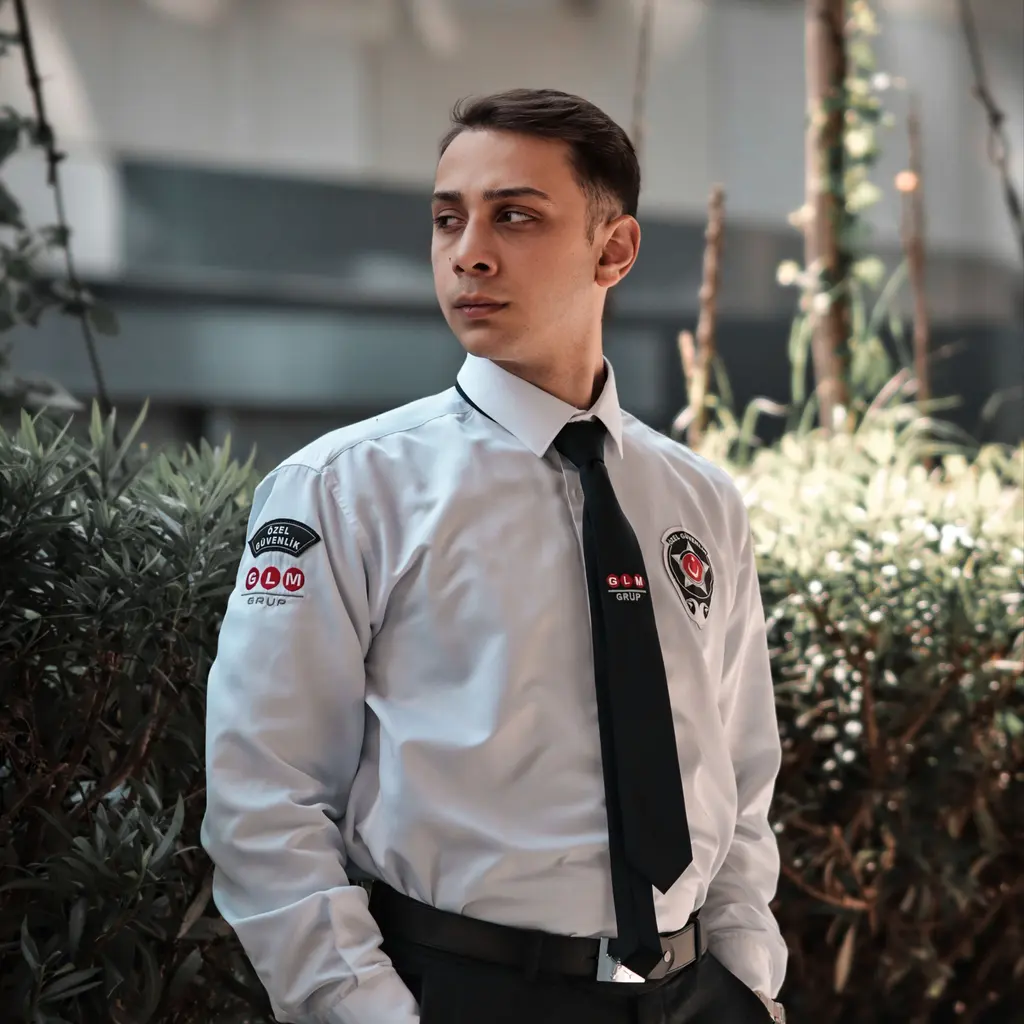
Your firm provides protection services ranging from armed details to event security. The decisions your agents make in volatile, high-pressure environments directly shape your liability and the safety of those you protect.
The Southern Agency can review your guard posts, protective assignments and transport duties to help compare insurance. We can look at the people and activities accepted by the policies, including force-related provisions, rather than relying on a security-business label.
Armed and executive-protection assignments concentrate excessive-force, assault, and battery exposure where agents may intervene physically.
If a protected client is harmed, the firm may face professional allegations that it did not deliver the protective service it was engaged to provide.
Large gatherings create high-severity liability where injuries to attendees or third parties can involve many claimants at once.
Agents accompanying or transporting principals add auto and travel-related exposure across varied locations.
Agents in protective and response roles face assault and injury exposure, generating workers' compensation claims.
Handling sensitive information about high-profile clients raises confidentiality, privacy, and reputational concerns.
Policies to ask about. Which ones fit depends on your operations, your contracts, and the carrier’s forms.
These hypothetical examples are not agency claim results. Whether a loss is covered depends on the facts, policy terms, and applicable exclusions.
An agent intervenes during a confrontation, and a bystander alleges excessive force. Applicable security liability terms may help with covered defense and damages if the firm, agent and assignment fit. Read force, firearm, assault and detention provisions; an allegation, training record or GL heading does not establish each benefit or legal authority.
A protected client is injured during an engagement and alleges that agents missed a threat they were engaged to monitor. Professional terms may help with a covered claim if the protective duty, insured role and bodily-injury or assault provisions fit. Review contractual promises, defined damages and claim/reporting terms; the client's entire loss is not automatically insured.
Several attendees are injured during a crowd surge and sue the security firm. Accepted event liability may help with covered defense and damages; any excess must apply to the underlying claim and reach its attachment point. Check insured firm, organizer and agent interests, event exclusions and occurrence/aggregate terms. Multiple claimants do not establish separate unlimited limits.
Start with the work you do and the questions your current policies leave unanswered. Carrier options depend on your location, risk, and underwriting. Explore our approach.
Executive, armed, guard/patrol and event services can occur within the same firm. Compare assignments, client sites, armed duties, agents, authority, and transport rather than rely on the business label; acceptance, insureds and exclusions depend on the proposed terms.
An armed assignment needs explicit review of the services and people the policy accepts, including off-duty officers and contractors. Read firearm, assault/battery, false-arrest, detention and reasonable-force provisions alongside professional and negligent-hiring or supervision terms. Training and an application are not insurance acceptance or legal authority; confirm applicable licensing and authority with qualified advisers.
It describes an allegation that the firm failed to deliver an agreed protective duty, not an automatic insurance benefit. Compare the assignment and insured services with professional, bodily-injury and assault provisions, defined damages and claim/reporting terms. Training or a promise of protection does not guarantee reimbursement.
One crowd incident can involve several injured people. Describe attendance and your actual crowd-control role when comparing event acceptance, limits and shared aggregates. Any excess needs its own accepted activities and attachment terms; more claimants do not automatically multiply limits.
Review the actual vehicle, driver and passenger-transport use, not just a vehicle list. Owned, hired and non-owned interests can differ, and firm liability, driver protection and vehicle repair need their respective terms. A professional policy or non-owned auto heading does not establish all transport protection.
Bring actual assignment, indemnity, insured/additional-insured, and primary/excess terms. Compare actual endorsements and accepted activities/agents; certificates and client demands do not establish compliance or available cover.
Bring your questions, current policies, and relevant contracts. An agent can review coverage terms, exclusions, and the information carriers ask for, then explain the options available to you.