

Failure to alarm or monitor
If a system fails to detect or transmit an event, or a monitoring center mishandles a signal, the customer may allege the loss could have been prevented.
Try a different word, or check the spelling.
Your installation, integration and monitoring stages can assign different responsibility for a sensor, configuration, or signal response. Hardware, professional and site protection should identify those duties, separately from redoing work, service credits, and privacy obligations for stored video or credentials.
The Southern Agency can help you balance your installation, product liability, and professional monitoring risks.
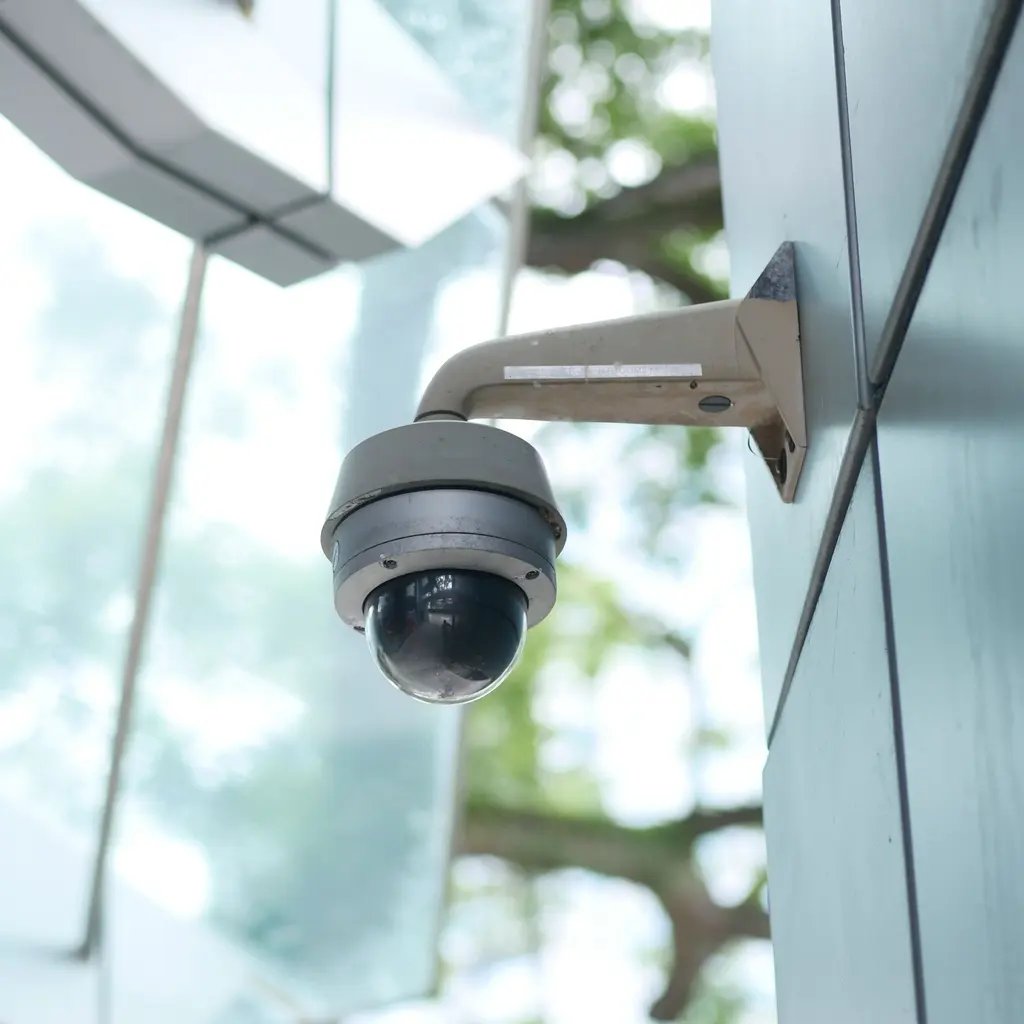
Your firm installs, integrates and monitors electronic security systems. Whether you are wiring a camera system or monitoring a burglar alarm, clients depend on your systems to perform reliably; a failure to trigger during an incident can lead to significant liability.
The Southern Agency can review your actual alarm, camera and access-control roles with you, including any central-station or other subcontractors. We can compare accepted design, installation and monitoring services with product, site, tool and data terms rather than assume a professional label includes every duty.
If a system fails to detect or transmit an event, or a monitoring center mishandles a signal, the customer may allege the loss could have been prevented.
Improper wiring, mounting, or configuration can cause property damage, system failure, and errors-and-omissions claims.
Panels, sensors, and cameras that malfunction can lead to product liability allegations when a protected loss occurs.
Installation tools, ladders, and inventory of devices are exposed to theft and damage at job sites and in transit between them.
Technicians working on ladders, in attics, and around electrical systems face injury risk, and drilling can damage a client's structure.
Storing video and access credentials creates privacy and cyber liability if recordings or systems are breached.
Policies to ask about. Which ones fit depends on your operations, your contracts, and the carrier’s forms.
These hypothetical examples are not agency claim results. Whether a loss is covered depends on the facts, policy terms, and applicable exclusions.
A monitored business is burglarized after a signal is not relayed, and the customer alleges a monitoring failure. Identify the actual provider's monitoring/dispatch duties, accepted alarm service and claim/reporting terms. Burglary loss, contractual service credits and correcting the signal fault are not automatically the same insured damages.
Tools and unmounted cameras are stolen from a crew's van overnight at a job site. An inland marine policy may help replace the property, subject to the specific policy and exclusions. Check actual owned/entrusted tool/stock and vehicle/unattended theft/security and installation handoff/valuation terms.
A technician drilling for a camera mount strikes a concealed pipe and causes water damage. General liability may respond to the property damage, depending on policy terms. Check actual other-property damage versus pipe/property worked on, custody, and professional/completed-work exclusions; not all rework is insured.
Start with the work you do and the questions your current policies leave unanswered. Carrier options depend on your location, risk, and underwriting. Explore our approach.
A customer can allege your design, configuration, installation or monitoring failed when needed. Compare expressly accepted alarm/services and subcontractor duties with professional, product and injury/property exclusions and reporting. Ordinary E&O does not itself establish fire/security, dispatch or every customer loss included.
Review actual seller/installer/manufacturer roles, accepted hardware/end use, and third-party resulting injury/damage. Own devices, warranty, redesign/rework, removal/replacement/recall, and missed-monitoring economic loss differ; third-party manufacture alone does not settle liability or cover.
Inland marine is commonly used to protect tools, ladders, and device inventory at job sites and in transit, depending on the policy and scheduled limits.
Storing video footage and access credentials creates breach exposure. Cyber coverage may help with notification and liability if those systems are compromised, depending on the policy.
Bring actual client, manufacturer and central-station limitation/indemnity and service duties for qualified legal/policy review. A clause does not establish enforceability, eliminate all claims or amend coverage; correction, refunds and every customer loss are not automatic insured damages.
Underwriters weigh your service mix, technician count, equipment values, monitoring volume, and claims history. Pricing and availability depend on underwriting.
Bring your questions, current policies, and relevant contracts. An agent can review coverage terms, exclusions, and the information carriers ask for, then explain the options available to you.