

Dwelling damage
Fire, storm, or water can affect rental buildings.
Try a different word, or check the spelling.
An empty unit can change the loss conditions even while you still own and maintain the rental. Your landlord protection should fit actual occupancy and unattended systems, with vacancy, tenant damage and water terms reviewed separately from routine furnace wear or habitability disputes.
The Southern Agency can review your actual units, turnover and repair responsibilities with you, including purchased rent-interruption terms.
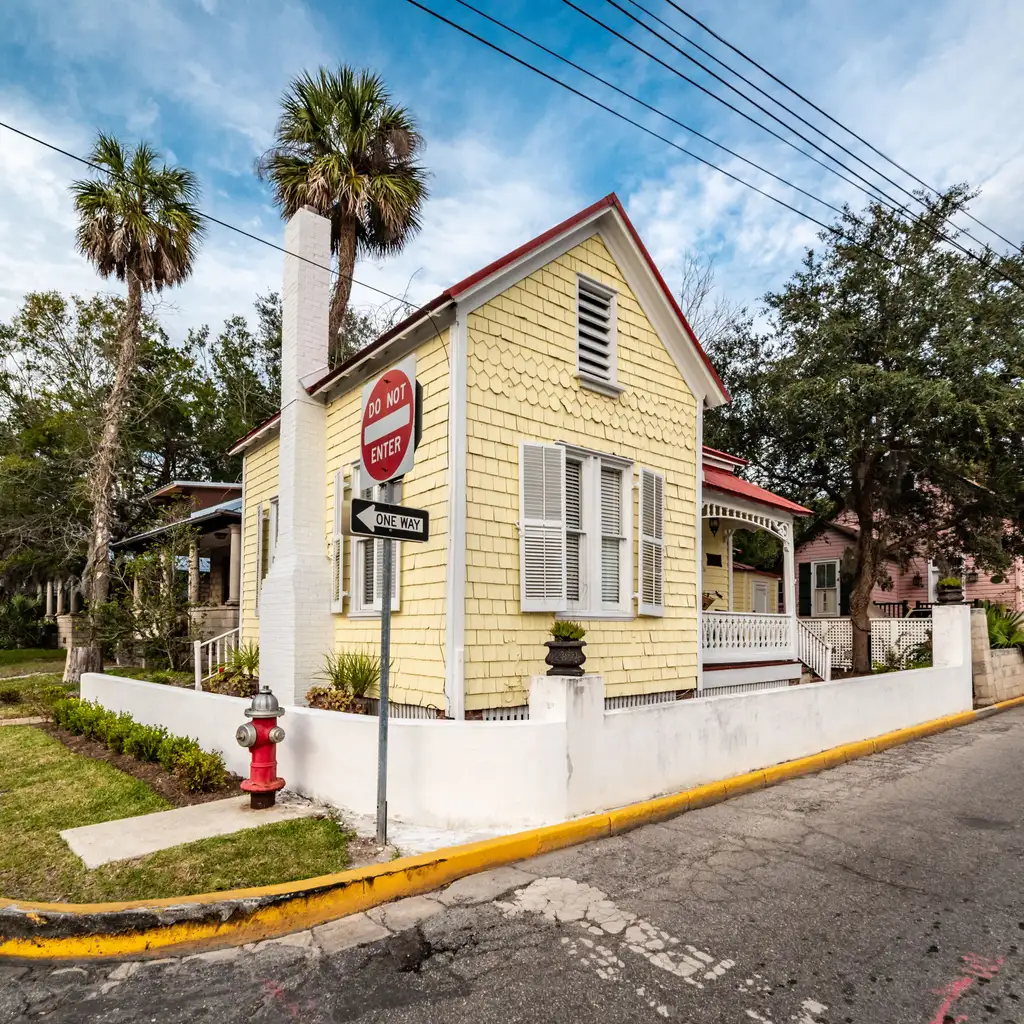
You rent out properties and oversee maintenance for your tenants. A fire or a building failure can stop your rental income while your ownership costs persist.
The Southern Agency can review your rental occupancy and maintenance responsibilities to help you choose insurance. We can discuss landlord property and liability terms and any purchased rental-income benefits, rather than relying on a policy intended for your own home.
Fire, storm, or water can affect rental buildings.
Unusable units can interrupt rent.
Tenants and guests can fall on stairs or shared paths.
Maintenance and habitability disputes can produce litigation.
Vacancy and unattended systems can change loss conditions.
Policies to ask about. Which ones fit depends on your operations, your contracts, and the carrier’s forms.
These hypothetical examples are not agency claim results. Whether a loss is covered depends on the facts, policy terms, and applicable exclusions.
Suppose a kitchen fire makes a rented dwelling uninhabitable. Compare insured building repairs with purchased rental-income terms, including the qualifying cause and restoration period. Tenant belongings and ordinary unpaid rent are separate interests.
Suppose a tenant's guest falls on shared stairs and alleges a defective handrail. Review actual owner/manager maintenance duties and accepted premises liability. The fall does not itself establish negligence, and repairing the worn handrail is different from a covered injury claim.
Suppose a pipe bursts while a unit awaits a new tenant. Compare the actual vacancy period, heating/water precautions and accepted cause with property terms. Continuing to own the unit does not preserve every occupied-property benefit, and routine pipe replacement differs from resulting damage.
Start with the work you do and the questions your current policies leave unanswered. Carrier options depend on your location, risk, and underwriting. Explore our approach.
Do not assume owner-occupied homeowners terms fit rental use; confirm the actual occupancy and insurer acceptance.
Compare purchased rental-income terms with a qualifying insured event, actual rent loss and waiting/restoration periods and limits. A damaged unit and ordinary tenant nonpayment, eviction or turnover are different events. Lost rent is not automatically included just because the building is insured.
Tenant belongings and personal liability are separate from your building and landlord duties. Discuss any lawful lease requirement and actual policy interests; a tenant certificate does not replace your property/liability protection or guarantee every tenant-caused loss covered.
Disclose actual vacant/unoccupied dates, renovations and heating/water safeguards before relying on cover. Vacancy definitions, time limits and restricted causes differ. A short turnover period or continuing rent expectation does not itself preserve every benefit.
Compare actual stairs, paths and other premises duties with owner/manager responsibility and accepted tenant/guest injury terms. Habitability, maintenance and discrimination allegations may have different restrictions. An injury or lease promise does not itself prove legal liability or payment.
Compatible excess may add limits above accepted underlying landlord claims. Identify all entities, locations and activities and compare attachment, limits and exclusions. It does not remove missing tenant/occupancy terms or automatically insure habitability or discrimination disputes.
Bring your questions, current policies, and relevant contracts. An agent can review coverage terms, exclusions, and the information carriers ask for, then explain the options available to you.