

Customer slip and fall on the sales floor
High foot traffic across fitting rooms, entryways, and tightly packed aisles creates ongoing trip, fall, and bumped-display injury exposure.
Try a different word, or check the spelling.
Your click-and-collect order can involve the outlet and a payment or webstore provider without each holding the same customer information. Data and store protection need those actual roles, with branded stock, seasonal values and any supplements reviewed rather than assumed part of apparel terms.
The Southern Agency can help you review seasonal merchandise values and the ways your outlet serves customers.
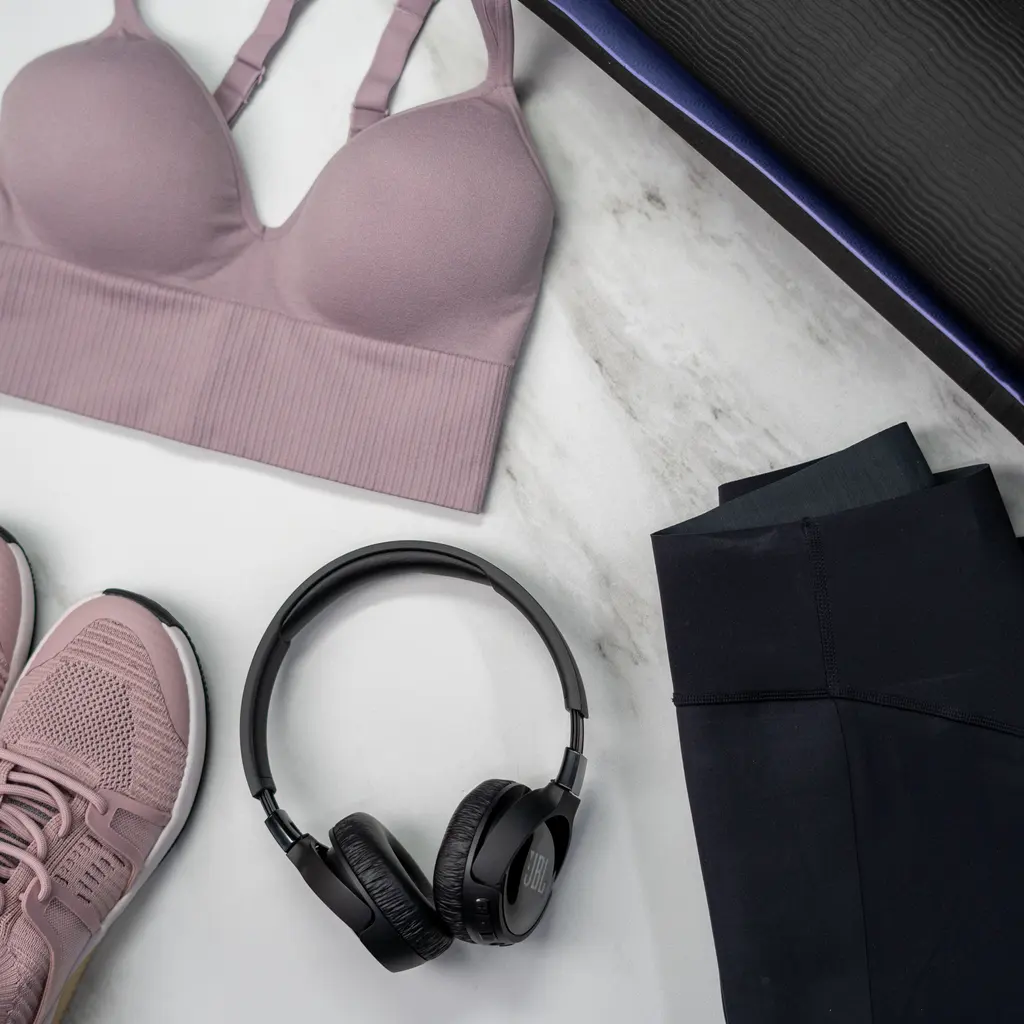
You sell sportswear and footwear through your shop and may also handle online orders or click-and-collect. A break-in can empty a branded display, and a burst pipe can damage stock bought for an important selling season.
The Southern Agency can review your stock, staffing and sales channels to help you choose insurance for the outlet. We can discuss property limits for seasonal peaks and liability for shopper injuries, alongside data and theft protection suited to the benefits offered.
High foot traffic across fitting rooms, entryways, and tightly packed aisles creates ongoing trip, fall, and bumped-display injury exposure.
A fire, sprinkler discharge, or water leak can destroy large quantities of activewear and footwear, often concentrated ahead of a peak season.
Desirable sneakers and apparel are vulnerable to shoplifting and after-hours break-ins. Separate documented theft from unexplained stock differences when reviewing insurance and loss records.
Webstore and click-and-collect orders involve payment and contact information. Identify what the outlet and each vendor actually collect or retain, and whose systems could be affected by a breach.
Defective sportswear or footwear can lead to allegations of injury, including skin reactions. Disclose packaged supplements if resold rather than assuming apparel terms include them. Returns, labeling disputes without resulting harm, and recalling stock raise different insurance questions.
Staff lifting boxes, climbing ladders, and managing stockroom deliveries face strains and falls during frequent restocking cycles.
Policies to ask about. Which ones fit depends on your operations, your contracts, and the carrier’s forms.
These hypothetical examples are not agency claim results. Whether a loss is covered depends on the facts, policy terms, and applicable exclusions.
Suppose thieves force entry after closing and take premium sneakers and apparel stocked for an upcoming release. Commercial property with applicable theft coverage may help replace insured merchandise and repair insured fixture damage, subject to valuation, limits, deductibles, and security conditions. Crime clauses need separate review; they do not automatically duplicate the stock coverage.
Hypothetically, a customer slips on a wet floor near a fitting room, is injured and brings a claim. General liability may help with defense and covered damages. Any medical-payments benefit has separate conditions and limits; the accident alone does not establish fault or guarantee a payment.
In a hypothetical checkout compromise, customer card data is exposed and the outlet incurs investigation and required notification costs. Cyber coverage may help pay covered response costs and address a covered privacy claim. Timely reporting, provider approval where required, limits, and retention apply; processor assessments and chargebacks need their own terms checked.
Start with the work you do and the questions your current policies leave unanswered. Carrier options depend on your location, risk, and underwriting. Explore our approach.
Compare property and general liability, whether packaged in a business owners policy or arranged separately. Review theft, payment and order data, employee injuries, and any product lines beyond apparel or footwear. Accepted merchandise, stock values, channels, staffing, and offered terms determine the mix, not the outlet name alone.
Review what information passes through checkout, order collection, and customer communications, including information handled by vendors. Cyber coverage may help with covered breach-response costs and privacy claims even where online sales are only part of the business. Compare reporting duties, limits, retention and processor terms rather than assuming a small online share removes exposure.
Read the valuation provision: replacement cost is not automatic, and actual-cash-value terms may account for depreciation. Compare limits with peak stock before seasonal releases and keep invoices and inventory records. A high original retail price, markdown or unsold season does not establish the amount recoverable after a covered loss.
The executed lease or shopping-center agreement may specify limits and landlord additional-insured status. Bring that schedule to the coverage review and compare it with actual endorsements, exclusions, and responsibility for the premises. A certificate records existing coverage; it does not amend the policy or guarantee that every lease promise is insured.
General liability may help defend a covered claim and pay covered damages after a sales-floor or fitting-room injury. Incident facts, liability, exclusions, and limits matter. Any medical-payments provision is separate and has its own conditions; not every injury establishes negligence or payment.
It may be under applicable property theft terms, subject to limits, valuation, deductibles, evidence, and security conditions. Employee theft and cash may involve separate crime clauses. Documented burglary or shoplifting is different from unexplained shrinkage, and two policy labels do not mean the same stock loss is paid twice.
Bring your questions, current policies, and relevant contracts. An agent can review coverage terms, exclusions, and the information carriers ask for, then explain the options available to you.