

Fire damage to paper inventory
Densely shelved books are highly combustible, so a fire can spread quickly and destroy a large share of the store's stock.
Try a different word, or check the spelling.
Rebuilding a rare or used-book collection can take more than replacing shelves with newly printed titles. Your stock valuation and any income protection should fit that reality, alongside accepted readings, signings, and cafe service rather than an assumption that every book has the same replacement cost.
The Southern Agency can help you review your books, author events, and any cafe activity.
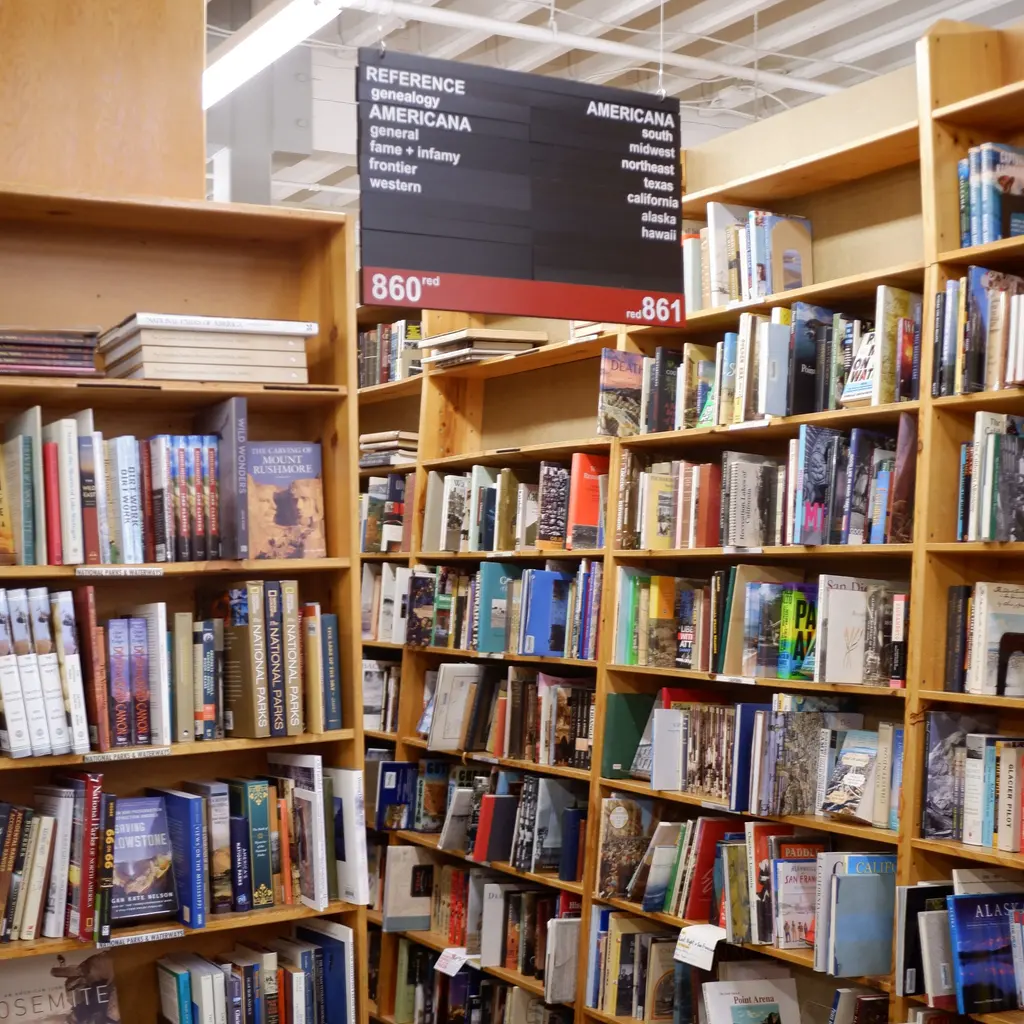
You help readers browse new or used books and may host author visits or serve refreshments. A leak can ruin shelves of stock, while a fall during a crowded signing can leave your shop facing an injury claim.
The Southern Agency can review your stock and in-store activities to help you choose insurance for the bookstore. We can discuss property protection for books and fixtures, liability for accepted events and any separate questions raised by cafe service.
Densely shelved books are highly combustible, so a fire can spread quickly and destroy a large share of the store's stock.
Roof leaks, burst pipes, or sprinkler discharge can ruin shelved books, which absorb water and are difficult to salvage.
Aisles, step stools, and reading areas create trip and fall exposure for customers spending time in the store.
Signings, readings, and community events draw larger crowds, increasing injury and crowd-management exposure on event nights.
Shoplifting of popular titles and break-ins targeting rare or collectible books can cause meaningful losses.
A fire or water event can close the store and halt sales while a hard-to-replace collection is rebuilt.
Card transactions and any membership or online order data create breach and privacy liability if compromised.
Policies to ask about. Which ones fit depends on your operations, your contracts, and the carrier’s forms.
These hypothetical examples are not agency claim results. Whether a loss is covered depends on the facts, policy terms, and applicable exclusions.
Suppose a pipe bursts overnight and soaks several aisles of books, closing the store for drying and repairs. Commercial property may help replace insured stock after a covered water loss, subject to valuation and deductibles. Purchased business-income coverage may help with covered income loss and continuing expenses within its waiting period, restoration terms, and limits; time spent sourcing rare editions is not automatically covered without limit.
Hypothetically, a guest is injured in a crowded signing and brings a claim against the store. General liability may help with defense and covered damages if the event falls within insured operations. Attendance, incident facts, exclusions, and limits matter; any medical-payments provision is separate, and injury alone does not establish fault or payment.
In a hypothetical break-in, thieves take documented collectible books. Applicable property theft coverage may help with the insured loss, using the policy's valuation basis, limits, deductibles, and any scheduling or security conditions. Compare any crime clause's insured interests separately; collectible status or two policy labels do not guarantee the asking price or duplicate recovery.
Start with the work you do and the questions your current policies leave unanswered. Carrier options depend on your location, risk, and underwriting. Explore our approach.
Packed paper stock can burn and surrounding volumes may be damaged by smoke or firefighting water. Commercial property may help after a covered fire, using insured interests, valuation, limits, and deductibles. Bring stock and building-protection information to the review, especially where replacing used or rare titles may take time.
General liability may help defend a covered injury claim from an accepted in-store event and pay covered damages. Describe attendance, frequency, layout, refreshments, and the host's role before relying on the policy. An event's inclusion and exclusions need review; not every guest injury establishes the store's liability.
Identify editions, condition, and current values separately from ordinary stock, with invoices and any requested appraisal records. Compare the offered valuation basis, limits, schedules, and theft/security conditions with the actual books. A dealer's asking price or an appraisal alone does not change the policy's valuation basis or limits.
Purchased business-income coverage may help with covered income loss and continuing expenses after the required insured damage or other specified trigger. Compare limits, waiting periods, restoration time, and any extra-expense terms with repairs and restocking. A closure or lengthy search for rare replacements alone does not guarantee coverage for the whole period.
It can change the operation being reviewed. Describe the menu, preparation and hot-drink service, equipment, seating, staff and whether a separate operator runs the cafe. Check that the actual food service is accepted and compare its injury, property, and equipment terms with the bookstore's policies; an existing shop policy is not proof every cafe activity is included.
Identify the member, order, and payment information the shop and its vendors actually hold. Cyber coverage may help with covered investigation, notification, and privacy claims if that information is compromised. Compare covered systems/events, reporting, response-provider approval, retention, and limits rather than assuming only card data matters or every processor demand is covered.
Bring your questions, current policies, and relevant contracts. An agent can review coverage terms, exclusions, and the information carriers ask for, then explain the options available to you.