

Injuries during play nights and tournaments
Players seated at tables for hours and crowds on event evenings raise slip, trip, and fall exposure beyond normal browsing.
Try a different word, or check the spelling.
A collectible card's condition and ownership can matter as much as its small size when you value the stock. Your merchandise protection needs those records, while tournament nights, refreshments, and product-injury claims require different terms from a missing-card loss.
The Southern Agency can help you protect your specialized collectible inventory and manage event-related liability.
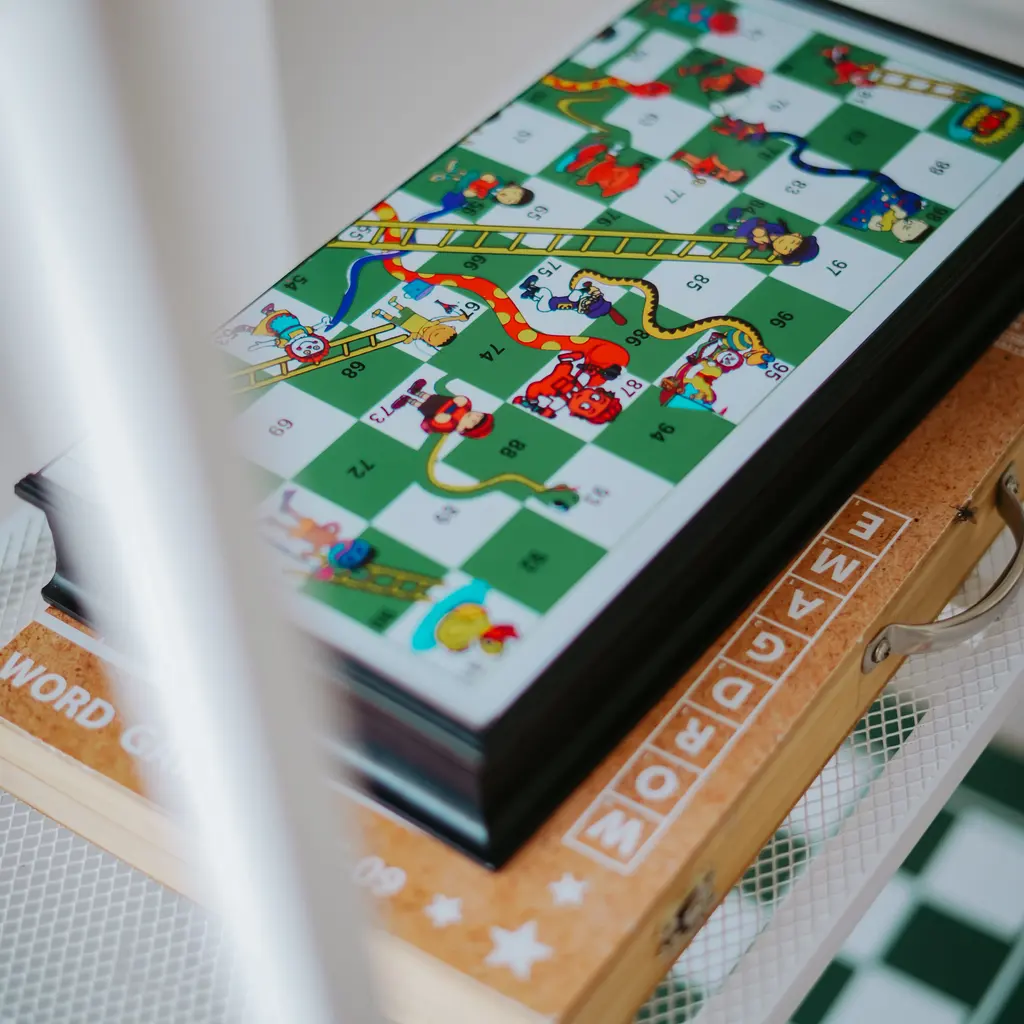
You sell games and puzzles and may give customers space for tournaments or league nights. A player injury at a crowded table raises different questions from a break-in that removes high-value collectible cards, where condition and ownership affect the value at risk.
The Southern Agency can review your shop's organized play activities and your inventory of cards and games to help you select appropriate insurance. We can discuss how to protect your collectibles and clarify your liability for injuries that occur during gaming events.
Players seated at tables for hours and crowds on event evenings raise slip, trip, and fall exposure beyond normal browsing.
Collectible cards and singles can hold substantial value in small, concealable items. Shoplifting or a break-in can remove stock whose condition and value need documentation.
Boxed games, puzzles, and card stock are paper-based and vulnerable to fire and water that can ruin large amounts of stock.
Tournaments and league nights pack the store, increasing the chance of injury and complicating crowd management.
Snacks and beverages around gaming tables create spill and slip hazards and add cleanup and liability considerations.
Games or puzzles with small parts or defects sold to customers can prompt product liability claims, especially involving children.
Card transactions and any online orders create breach and privacy liability if point-of-sale systems are compromised.
Policies to ask about. Which ones fit depends on your operations, your contracts, and the carrier’s forms.
These hypothetical examples are not agency claim results. Whether a loss is covered depends on the facts, policy terms, and applicable exclusions.
Suppose a player trips over a chair during a crowded tournament and is injured. General liability may help with covered defense and injury damages if the event is within accepted operations. Actual hosts, activities, cause, exclusions, and limits matter; any medical-payment provision is a separate benefit, not automatic payment for every participant injury.
Suppose thieves break in and take documented collectible cards. Applicable property theft terms may help replace insured stolen stock at the written valuation, subject to limits, deductibles, proof, and any security conditions. Compare any applicable crime clause separately; two policy labels do not promise the cards' asking price or duplicate recovery.
Suppose sprinkler discharge soaks shelves of boxed games. Commercial property may help replace insured damaged stock if the water cause is covered, using written valuation, limits, and deductibles. Purchased business income requires its actual qualifying interruption and loss/time terms; wet stock alone does not establish every lost sale or a store closure.
Start with the work you do and the questions your current policies leave unanswered. Carrier options depend on your location, risk, and underwriting. Explore our approach.
They change the activity being reviewed: players remain at tables, chairs occupy floor space, and refreshments can spill. Describe actual frequency, attendance, layout, and hosts, then check accepted operations, exclusions, and limits. Other retailers can also host events; a retail label alone does not establish every activity is insured.
Identify actual cards/singles, ownership, condition, and values separately from ordinary boxed stock. Compare the offered valuation, limits, theft documentation, and any collectible or security conditions under property and applicable crime terms. Shoplifting, break-in theft, cash, employee dishonesty, and unexplained shortages differ; controls, a price tag or two policy labels do not guarantee value or payment.
General liability may help with covered defense and injury damages from an accepted event. Provide actual play activities, attendance, seating, hosts, and refreshments, then review event/participant exclusions and limits. Any medical-payment benefit has separate conditions; neither the tournament label nor an injury alone decides every benefit or the store's liability.
Applicable product terms may help defend a covered injury claim and pay covered damages. Identify actual goods, ages, components, warnings, and import/private-label roles. CPSC's small-parts ban concerns products intended for children under three and includes a paper-article exemption. That does not exempt every mixed-component game from all safety duties. Compliance or an exemption does not decide coverage; refunds and recalls are separate costs.
Spills near tables can cause falls and damage stock. Describe what is allowed, who supplies or prepares refreshments and any separate operator, then check actual premises/event and food-service terms. Allowing drinks does not itself establish a cafe or protection for every food-related claim; routine cleanup and damaged stock require their own review.
Map actual payment, online-order and customer information held by the shop or providers. Cyber terms may help with defined response costs and covered privacy claims after an insured event, subject to reporting, approved response providers, retention, and limits. Store size or outsourced checkout alone does not determine need, and processor/PCI demands require specific terms.
Bring your questions, current policies, and relevant contracts. An agent can review coverage terms, exclusions, and the information carriers ask for, then explain the options available to you.