

Trips and falling merchandise
Narrow aisles, boxes on the floor, and high overstocked shelving create trip, slip, and struck-by hazards for customers and staff.
Try a different word, or check the spelling.
Your next bargain shipment may add toys or consumables outside the assortment first described to the insurer. Check accepted products and stock values as lines change, rather than assuming every low-price item fits.
The Southern Agency can help you protect your high-density inventory and manage common retail liabilities.
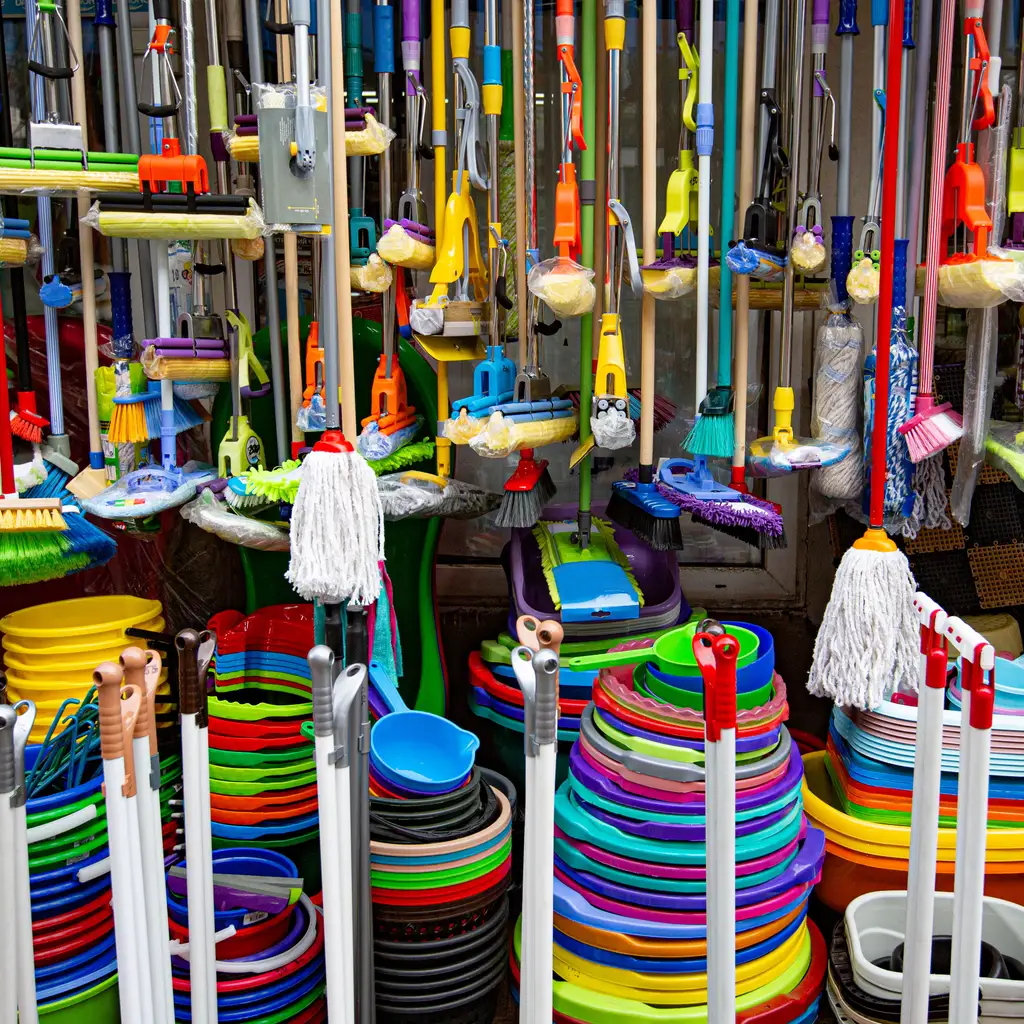
You sell a changing mix of household goods, snacks and seasonal bargains. Frequent restocking and tightly packed shelves can create shopper injuries, while a break-in can affect both merchandise and cash.
The Southern Agency can review your assortment, shelving, and stock values to help you select insurance. We can discuss property protection for merchandise and liability for covered shopper injuries, including how changing product lines affect the terms offered.
Narrow aisles, boxes on the floor, and high overstocked shelving create trip, slip, and struck-by hazards for customers and staff.
Cash kept at registers or handled during closing can be lost in a robbery or break-in. Amounts, locations, and handling arrangements matter.
Merchandise or cash may be taken by customers or staff. Routine inventory differences and known theft need investigation rather than being treated as identical losses.
Low-cost imported items, toys, and consumables can pose safety or recall concerns that lead to product claims.
Densely packed inventory can be heavily damaged by fire, sprinkler activation, or roof and plumbing leaks.
A small crew lifting, climbing, and restocking shelves faces strain, fall, and cut injuries during long shifts.
Policies to ask about. Which ones fit depends on your operations, your contracts, and the carrier’s forms.
These hypothetical examples are not agency claim results. Whether a loss is covered depends on the facts, policy terms, and applicable exclusions.
Suppose a customer trips over restocking boxes left in a narrow aisle and is injured. If the store faces a claim, general liability may help with covered defense and damages, including medical costs for which the store is legally liable. Incident facts, liability, exclusions, and limits govern; any medical-payments benefit has separate conditions.
Suppose burglars enter overnight and take cash and merchandise. Property theft terms may help replace covered stolen stock, while purchased money/crime terms may help with covered cash loss. Confirm each insured interest, documentation, valuation, limits, deductibles, and any security conditions; naming both policies does not promise two payments for the same item.
Suppose a clerk is robbed during a shift and store cash is taken from the register. Purchased robbery/money coverage may help reimburse the covered stolen cash. The facts, cash location, limits, deductible, reporting, and any security conditions determine the claim; the small staff or presence of a camera does not guarantee payment.
Start with the work you do and the questions your current policies leave unanswered. Carrier options depend on your location, risk, and underwriting. Explore our approach.
It may combine property and general liability, often with business income, for an eligible operation. Review products, premises, values, location count, and actual money/crime terms against the proposed package. Compact floor area or a discount-store name does not establish eligibility, sufficient limits, or savings.
Purchased robbery/money coverage may help with covered cash loss, while employee theft and merchandise theft require their own definitions and insured interests. Describe register/safe amounts, locations, and handling, then review limits, deductibles, reporting, and any security conditions. A cash shortage or a camera alone does not prove a covered robbery.
Restocking boxes, narrow aisles and high shelves can lead to trips or falling-item claims. General liability may help with covered defense and damages, depending on the incident and actual terms. Staff work-injury benefits and any customer medical-payments benefit have separate conditions.
Price or origin alone does not establish safety or coverage. Identify the actual products, suppliers, imports, and private-label arrangements, including toys or consumables. Applicable product coverage, which may be part of general liability, may help with covered claims alleging injury or property damage. Replacing goods, refunds, and recall expenses are separate, and actual product duties still apply.
Map the actual card processing, online orders, information, and provider access first. Cyber coverage may help with defined response costs and covered privacy claims after an insured event, subject to reporting, response requirements, retention, and limits. Mostly cash is not enough to establish no exposure or to recommend a particular policy; processor assessments require separate terms.
Lifting, climbing, stocking, and register work can cause work injuries. Requirements depend on state rules and the actual workforce, so provide payroll, duties and staffing rather than assuming a small or family crew is exempt. Covered benefits may include medical care and wage loss; the store's customer-liability policy is not the same protection.
Bring your questions, current policies, and relevant contracts. An agent can review coverage terms, exclusions, and the information carriers ask for, then explain the options available to you.