

Slip-and-fall on a mixed sales floor
A spill near the grocery cases, uneven flooring or a crowded aisle can injure a customer. Store layout, restocking and responsibility for shared walkways affect the premises review.
Try a different word, or check the spelling.
A cooler's lost groceries and a customer's food-illness claim are different losses, even in the same small store. Your protection should separate spoiled stock, equipment repair, and product harm, with actual food service, cash handling, and staff duties considered.
The Southern Agency can help you review your shop's inventory, equipment, and services to select appropriate insurance.
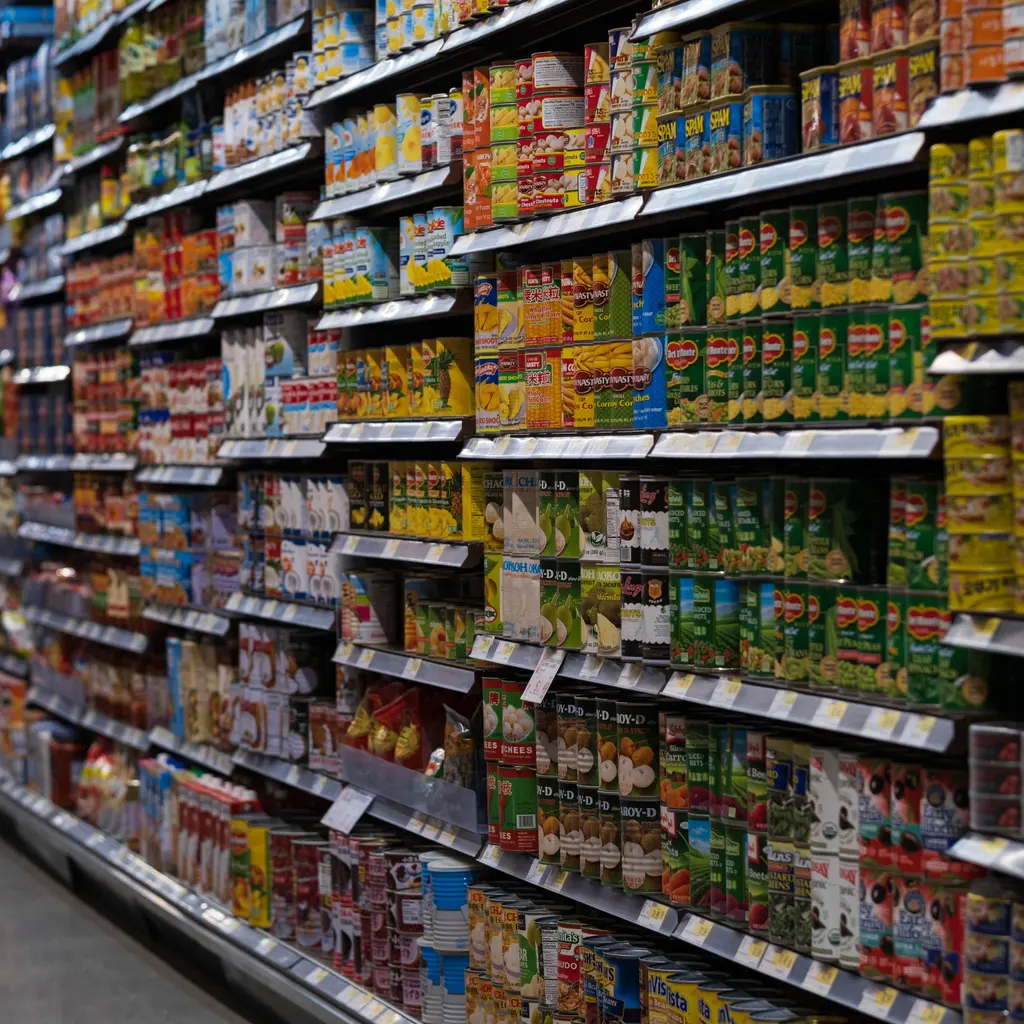
You keep groceries, household goods and other everyday supplies close to your customers. A robbery can take cash needed for the next order, while a failed cooler can spoil food; any deli or fuel service adds different responsibilities.
The Southern Agency can review your store services and equipment to help select appropriate insurance, such as property coverage for your inventory or equipment breakdown for coolers.
A spill near the grocery cases, uneven flooring or a crowded aisle can injure a customer. Store layout, restocking and responsibility for shared walkways affect the premises review.
Cash at the counter, in a safe or on a bank trip can be stolen. Staffing, opening and closing practices and any remote location affect the review; merchandise theft is a separate interest.
Refrigerated groceries can spoil when cooling fails. A deli or other food service also creates the possibility of illness claims; the cost of discarded stock differs from liability to an affected customer.
Selling a broad mix of food, hardware, and household items can lead to product-related claims from any category.
Fire or qualifying water damage can affect the building, fixtures and varied stock. Actual construction, use, lease duties and cause of loss matter; storm-related water, flood and a plumbing leak are not interchangeable.
An owner-operator and small crew lifting stock and restocking shelves face strain, cut, and fall injuries.
Policies to ask about. Which ones fit depends on your operations, your contracts, and the carrier’s forms.
These hypothetical examples are not agency claim results. Whether a loss is covered depends on the facts, policy terms, and applicable exclusions.
Suppose a customer slips on a spill near the refrigerated case, is injured and brings a claim. General liability may help with defense and covered damages. Any medical-payments benefit has separate conditions and limits; an injury alone does not establish fault or payment.
Suppose a walk-in cooler fails over a weekend and refrigerated stock spoils, leaving repair and replacement costs. Equipment breakdown may help if the failure is a covered accident involving insured equipment. A spoilage benefit must also apply to the stock and event; the fact that food was discarded does not establish coverage for wear, poor maintenance or every power outage.
Suppose a robber takes cash near closing. A purchased crime money clause may help replace the covered cash loss, within its limit and deductible and the applicable premises and evidence terms. Property theft coverage for merchandise does not automatically answer a cash claim.
Start with the work you do and the questions your current policies leave unanswered. Carrier options depend on your location, risk, and underwriting. Explore our approach.
A BOP may provide a property-and-liability base if the operation qualifies. Compare the goods, building, inventory, and services with the offered terms, especially any deli, fuel or financial service. The store's size or family ownership does not by itself determine fit.
Describe the food, preparation, storage, and service when reviewing products liability. It may help defend a covered illness claim and pay covered damages. Spoiled stock, refunds, and recall expenses are separate costs, and insurance is not a food-safety certification.
A cooler failure can leave repair bills and unsaleable food. Equipment breakdown may help after a covered accident, with spoilage and income benefits only as provided by the policy. Compare wear and maintenance exclusions and any separate utility-interruption terms; not every failure is covered.
Review purchased money and theft clauses, the cash limit, premises and off-premises handling, deductible, and loss records. Location and security can affect the offer and conditions. Remoteness neither guarantees a robbery claim nor makes all stolen stock and cash the same insured property.
A store can face a claim that food, hardware, or another item it sold caused injury or property damage, even if someone else made it. List the product range for liability review. A product failing, a refund or a recall does not automatically qualify for the same defense-and-damages benefit.
Check the applicable state rules and the status of owners, relatives, and other workers. Family members can still be injured while stocking or serving customers, but required coverage and owner elections vary. Do not infer an exemption or inclusion from family ownership alone.
Bring your questions, current policies, and relevant contracts. An agent can review coverage terms, exclusions, and the information carriers ask for, then explain the options available to you.