

Perishable plant inventory loss
Living plant stock can die quickly from cold snaps, heat, disease, or a failed greenhouse climate system, destroying inventory value overnight.
Try a different word, or check the spelling.
Keeping plants alive depends on the climate system, but repairing a heater is not the same benefit as replacing living stock. Your greenhouse and nursery protection should distinguish those interests, with outdoor structures, chemicals, and any delivery or planting work accepted specifically.
The Southern Agency can help you protect your living stock and manage the liability risks of your greenhouse and planting operations.
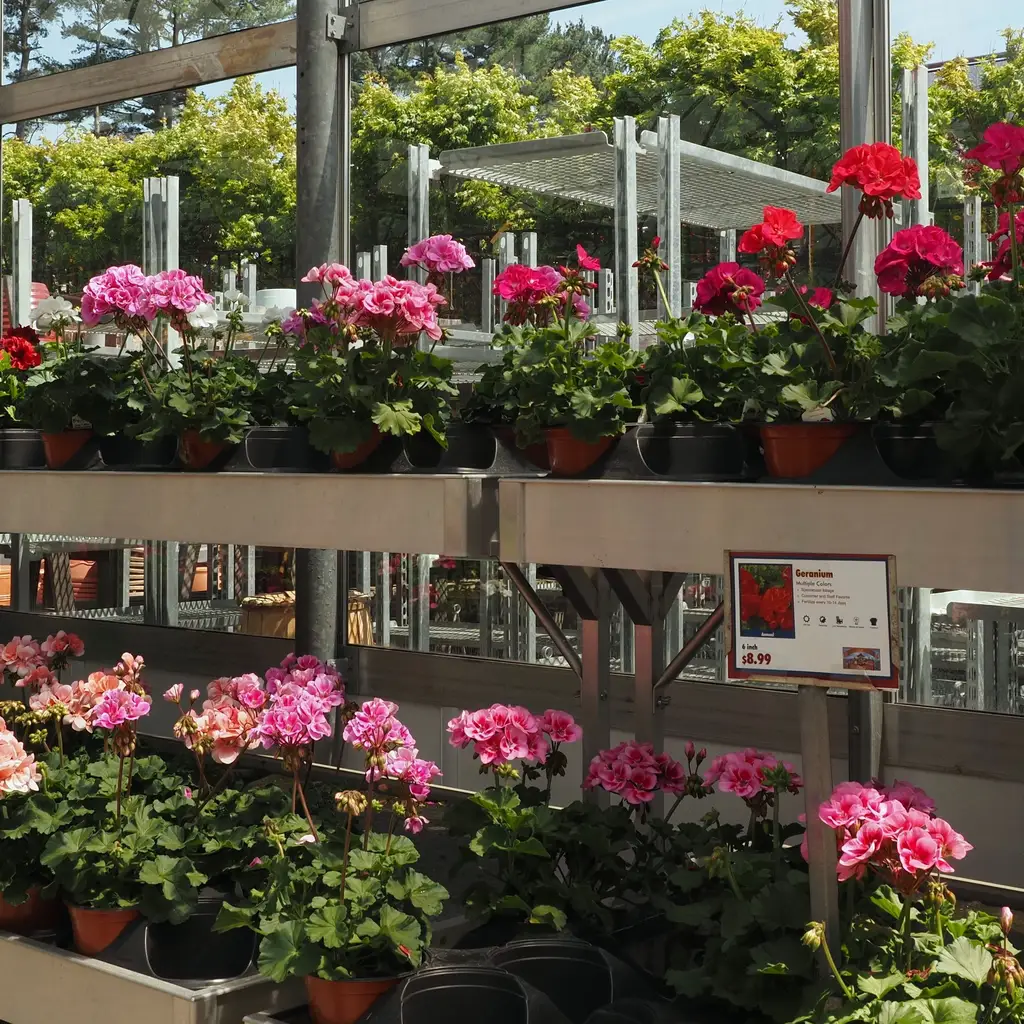
You sell plants and supplies through greenhouses and outdoor spaces, and you may also deliver or plant them for customers. A failed climate system can leave both damaged equipment and dead stock; those are different interests from a shopper's fall or damage during planting.
The Southern Agency can review your actual stock categories, locations and greenhouse systems with you. We can compare qualifying equipment repair with expressly accepted plant/spoilage terms, alongside chemicals, seasonal staff and any loading, delivery or planting services.
Living plant stock can die quickly from cold snaps, heat, disease, or a failed greenhouse climate system, destroying inventory value overnight.
Hoses, irrigation runoff, and uneven walkways across open-air sales areas raise the chance of customer trips and falls.
Storing and selling fertilizers, pesticides, and herbicides creates pollution and product-handling exposure if a spill or misuse occurs.
Heaters, fans, and irrigation pumps are critical to keeping plants alive, and a breakdown can spoil large quantities of stock.
Seasonal hiring changes payroll, duties, and training needs. Staff lifting heavy bags, trees, and pots face strain and handling injuries; experience and responsibilities should be described rather than assumed from a seasonal job.
Outdoor displays, shade structures, and greenhouses are vulnerable to wind, hail, and storm damage that can disrupt operations.
Offering delivery and on-site planting extends liability to customer properties and the road, beyond the store premises.
Policies to ask about. Which ones fit depends on your operations, your contracts, and the carrier’s forms.
These hypothetical examples are not agency claim results. Whether a loss is covered depends on the facts, policy terms, and applicable exclusions.
Suppose a heater fails on a cold night and greenhouse plants die. Equipment breakdown may help repair an insured heater if the failure meets its covered-cause definition. Applicable purchased plant/spoilage terms may help with lost insured stock, but the actual plant categories, location, cause, valuation, and limits must qualify. Neither heater repair nor the greenhouse label settles the plant loss.
Suppose a shopper slips near an irrigation line, is injured and brings a claim against the center. General liability may help with covered defense and injury damages. Actual conditions, allegations, exclusions, and limits matter; any medical-payment provision is separate, and injury alone does not establish fault or payment.
Suppose a concentrated-pesticide container ruptures and leaves cleanup bills. Specific purchased environmental coverage may help with qualifying remediation if the release is a covered pollution condition at an accepted location. Review discovery/reporting, consent and emergency provisions, retention and exclusions; routine cleaning, disposal and replacing the container or product are not automatically the same benefit.
Start with the work you do and the questions your current policies leave unanswered. Carrier options depend on your location, risk, and underwriting. Explore our approach.
Possibly, if the actual plants and cause qualify under the offered terms. Some equipment-breakdown forms exclude trees and growing crops and distinguish other shrubs/plants held indoors for retail sale; how that applies to a greenhouse or yard needs actual review. Heater repair, purchased spoilage, and income are separate benefits. Bring plant categories, locations, values and the cause rather than assuming all cold, disease, routine die-off, or power losses are insured.
Describe the chemicals, quantities, storage, handling, and any services actually performed. Specific environmental terms may help with qualifying cleanup or third-party pollution claims, subject to accepted locations/operations, discovery/reporting, retroactive dates, exclusions, consent, retention, and limits. On-site releases and products after sale can be treated differently; general liability and a supplier's policy do not establish every cleanup benefit.
Payroll, headcount, duties, and training arrangements can change through the season. Provide actual lifting/loading, watering, driving and planting roles so workers' compensation requirements and terms can be reviewed under applicable state/workforce rules. Covered benefits may include medical care and wage loss; being seasonal does not by itself determine experience, employment status, or a coverage obligation.
Commercial property may help repair insured structures after a covered wind/hail or other loss. Identify actual frames, glazing/coverings, locations, ownership, and values, then review construction and outdoor-property provisions, storm/water exclusions, and deductibles. A covered greenhouse frame does not establish that every plant, shade structure, or item outside is included.
Business auto may help with covered vehicle-accident liability, while general liability may help with covered injury/property claims from accepted planting work. Describe actual operators, loading, customer property, and work, then compare auto/cargo, custody, worked-property, and ongoing/completed-work terms. Replanting or correcting the service alone differs from a covered resulting-harm claim.
A BOP can combine property and general liability for an eligible operation, with business income as actually provided. Provide actual greenhouse, living-plant inventory, outdoor-yard, chemical, and service information. Compare plant acceptance, breakdown/spoilage, pollution, vehicles and workforce needs separately rather than treating a retail package as proof every exposure is included.
Bring your questions, current policies, and relevant contracts. An agent can review coverage terms, exclusions, and the information carriers ask for, then explain the options available to you.