

Loader and skid-steer accidents
Wheel loaders and skid steers filling customer trucks operate close to people and vehicles, creating struck-by and property-damage exposure.
Try a different word, or check the spelling.
Your customer drives away with a load you placed in their pickup. Review loading and securement duties before assuming the yard's liability ends at the gate.
The Southern Agency can help you review your yard operations and delivery fleet to assist with your insurance selection.
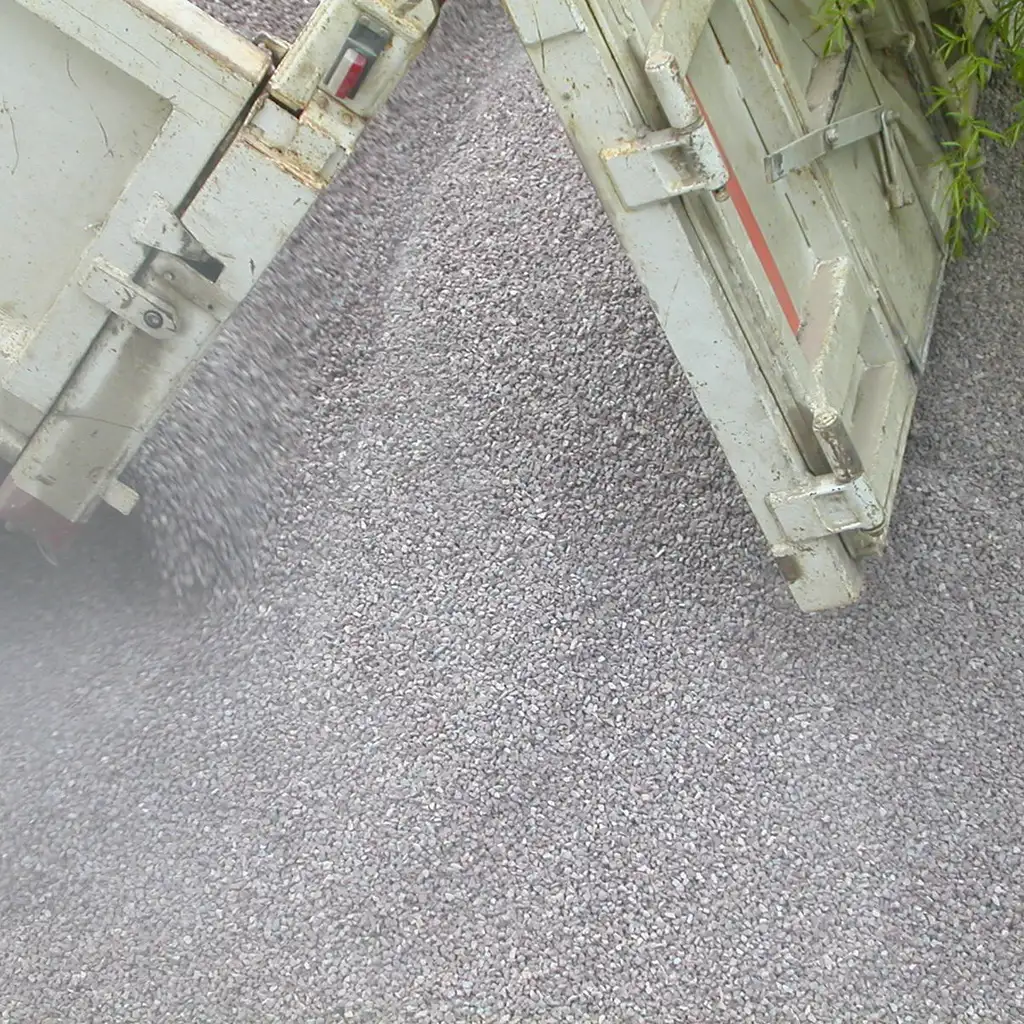
You move heavy materials such as stone and mulch for contractors and homeowners. Loaders working near customer trucks and dump deliveries to homes or jobsites create injury and property-damage risks beyond a retail counter.
The Southern Agency can review your equipment use and delivery operations to help select appropriate insurance, such as general liability for the yard or transit terms for materials.
Wheel loaders and skid steers filling customer trucks operate close to people and vehicles, creating struck-by and property-damage exposure.
Large piles of mulch, soil, and stone can shift or collapse, posing injury risk to staff and customers in the yard.
Dump trucks delivering bulk material to homes and jobsites face road accident and dumping-related property-damage exposure.
Material loaded into customer vehicles can spill on the road, raising liability questions over loading practices.
Dusty yards, stormwater runoff, and stored fertilizers create environmental and air-quality concerns.
Staff lifting bags, raking piles, and operating equipment face strain, crush, and weather-related injury risk.
Loaders, conveyors, and scales are essential to operations, and a breakdown can halt loading and sales.
Policies to ask about. Which ones fit depends on your operations, your contracts, and the carrier’s forms.
These hypothetical examples are not agency claim results. Whether a loss is covered depends on the facts, policy terms, and applicable exclusions.
Suppose a loader filling a pickup damages the truck and injures its owner. General liability may help defend the covered claim and pay covered damages, but the loader's classification, loading method, and property-in-custody terms matter. Auto and employee injury coverage are separate questions, not interchangeable labels.
Suppose material from an improperly secured customer load spills on the road and causes an incident, leading to a claim over the yard's loading work. General liability or business auto may be relevant, depending on the vehicles, equipment, alleged responsibility, and policy wording. Loading records can help establish what happened; they do not decide which policy pays.
Suppose the yard's dump truck collides with another vehicle on the way to deliver stone. Business auto may help defend a covered third-party claim and pay covered damages. Damage to the yard's truck or its load needs separate physical-damage or cargo coverage.
Start with the work you do and the questions your current policies leave unanswered. Carrier options depend on your location, risk, and underwriting. Explore our approach.
General liability may help with a covered injury or property-damage claim, but the equipment and loading method can change the answer. Compare mobile-equipment and auto definitions and property-in-custody exclusions. Records help explain the incident; procedures alone do not establish coverage.
Review business-auto coverage for trucks used on deliveries, including covered vehicles, drivers, road use, and dumping. Liability can address covered third-party claims; truck damage and the load need separate terms. State requirements and the actual fleet also matter.
A mobile-equipment or inland-marine form may offer physical-damage protection for scheduled machines. Compare ownership, valuation, travel, theft, and damage causes. Internal breakdown is a separate question, and vehicle exclusions can keep a loader outside an equipment-breakdown form.
Describe the release, affected location, and demand. Specialized environmental coverage may address qualifying third-party claims or cleanup, but exclusions and purchased terms matter. General liability is not a substitute for that review, and routine dust control or yard maintenance is not automatically insured.
The claim may involve who loaded or secured the material, the equipment used, and the cause of the incident. Compare general liability and auto wording rather than choosing a policy by where the spill occurred. Loading records and customer terms help establish responsibility, not a promise of payment.
Keep records of quantities, purchase values, and seasonal peaks, then compare them with the policy's valuation and limit. Outdoor storage and covered causes need specific attention. A seasonal rise in prices or stock does not automatically raise the amount insured.
Bring your questions, current policies, and relevant contracts. An agent can review coverage terms, exclusions, and the information carriers ask for, then explain the options available to you.