

Forklift and material-handling injuries
Forklifts, order pickers, and lift trucks operating near customers and staff create significant risk of struck-by and crush injuries on the sales floor and in the yard.
Try a different word, or check the spelling.
At will-call, your material, the customer's vehicle and the loading work meet in one busy area. Premises, equipment, and auto protection need that handoff clearly addressed, with open-yard stock and delivery loads kept distinct from the trucks that carry them.
The Southern Agency can help you review yard operations and customer deliveries alongside the store itself.
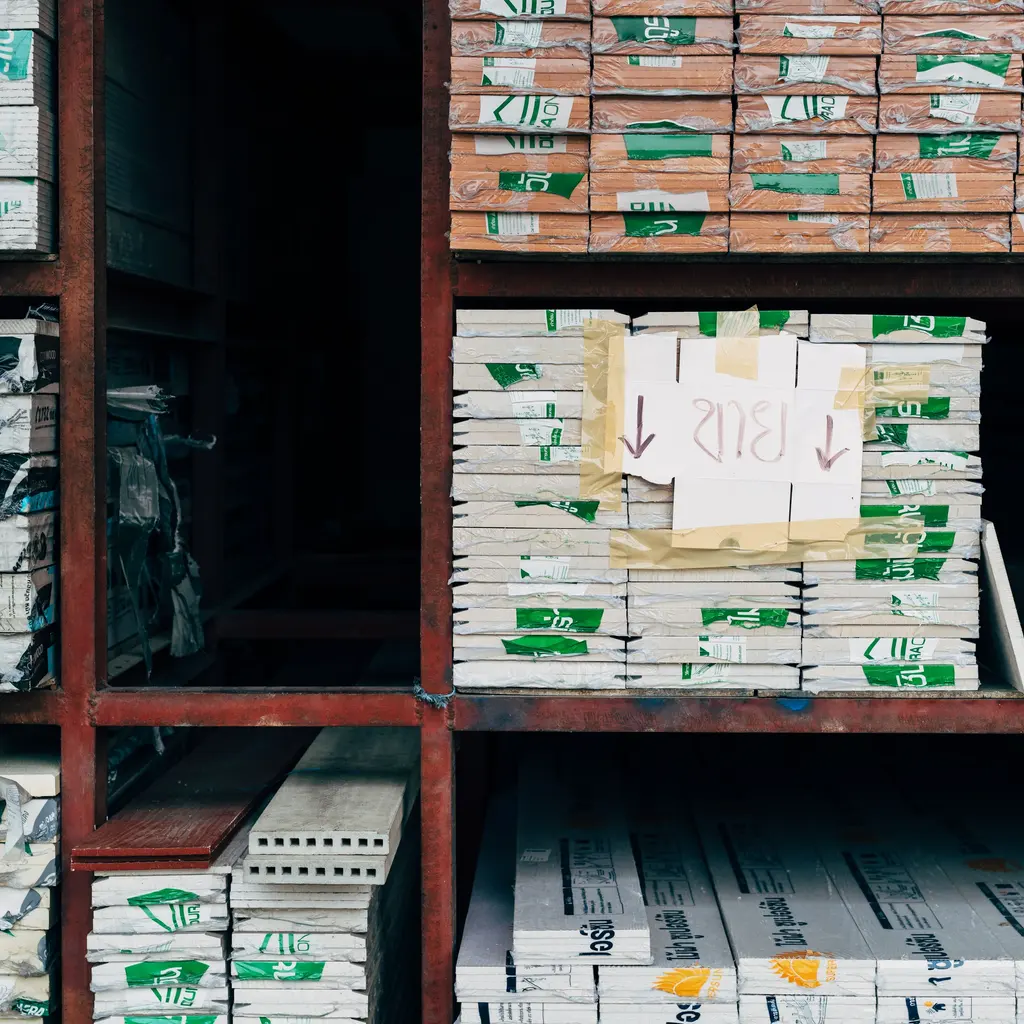
You supply contractors and homeowners with building materials, moving heavy goods through aisles, yards, and loading areas. A falling pallet can injure someone, and a delivery collision can damage another person's property.
The Southern Agency can review how you store, handle, and deliver materials to help you choose insurance. We can discuss premises and vehicle liability alongside stock, equipment and transit protection, keeping the truck and its load as separate coverage questions.
Forklifts, order pickers, and lift trucks operating near customers and staff create significant risk of struck-by and crush injuries on the sales floor and in the yard.
Palletized drywall, lumber, and bagged goods stored on tall racks can shift or fall, injuring shoppers or employees below.
Lumber yards and aggregate storage face theft, wind damage, and slip-and-trip hazards on uneven or wet surfaces.
Box trucks and flatbeds delivering to homes and construction sites face road accident and unloading-injury exposure away from the store.
Large quantities of building product under one roof concentrate fire, smoke, and catastrophe loss potential.
Self-loading customers and busy will-call lanes increase the chance of vehicle, lifting, and tie-down injuries on store property.
Lifting, cutting, and staging heavy materials exposes warehouse and yard staff to back injuries, lacerations, and repetitive-motion claims.
Policies to ask about. Which ones fit depends on your operations, your contracts, and the carrier’s forms.
These hypothetical examples are not agency claim results. Whether a loss is covered depends on the facts, policy terms, and applicable exclusions.
Suppose a forklift moving palletized product near the loading lane clips and injures a shopper, who brings a claim. General liability may help with defense and covered damages if the operation falls within its mobile-equipment and liability terms. Auto/loading boundaries and any separate medical-payments conditions need review. Injury to an employee raises a separate workers' compensation question.
Hypothetically, a flatbed delivering lumber collides with another vehicle en route to a construction site, resulting in third-party damage and an injury claim. Business auto may help defend the covered claim and pay covered damages if the truck, use, and insured parties qualify. Damage to the retailer's own truck or lumber needs separate physical-damage or transit terms; the jobsite destination does not make every offloading event an auto claim.
In a hypothetical yard fire, stacked lumber is damaged and the store loses sales while repairs and restocking take place. Commercial property may help replace insured open-yard stock after a covered fire, subject to valuation, limits, and deductibles. Purchased business-income coverage may help with covered income loss and continuing expenses within its trigger, waiting period, and restoration terms.
Start with the work you do and the questions your current policies leave unanswered. Carrier options depend on your location, risk, and underwriting. Explore our approach.
The review must include actual yard stock, heavy material handling, cutting, and delivery operations as well as the sales floor. Compare covered property/locations, customer and employee injury terms, vehicles, cargo, and equipment with those activities. Review the limits, exclusions and accepted operations of the actual offered package and any separate forms rather than choosing by the store's label.
A covered customer injury claim may fall under general liability, while a covered employee injury may involve workers' compensation. The forklift's physical damage, internal breakdown, and involvement in truck loading require separate analysis. Mobile-equipment/auto definitions, the operation, operator, and applicable terms matter; a forklift is not automatically included in every equipment-breakdown form.
Review business-auto terms for owned, leased or other vehicles actually used on deliveries, including covered-auto designations, drivers, and territory. Covered liability may help with third-party road claims, while damage to the truck and materials needs separate terms. Loading/offloading can involve auto, mobile equipment or general liability depending on the device and facts; do not assume all jobsite activity is auto coverage.
Compare applicable property terms for the actual open-yard location and stock, valuation, limits, deductibles, security, and covered causes. Fire, wind, water, flood, and theft need cause-specific review, and material left outside may have different terms from indoor inventory. Any income benefit after damage also needs purchased coverage and its own trigger/time provisions.
A purchased transit or inland-marine form may help with a covered loss if it includes the goods, ownership interest, route, and stage of delivery involved. Review load limits, valuation, loading/unloading, theft, and outside-carrier terms. An auto liability policy does not automatically insure the retailer's lumber, and a carrier's cargo cover may need different terms to include its own goods.
Some property and liability lines may be packaged, but acceptance and included operations depend on the actual offered forms and schedules. Compare yard stock, forklifts, vehicles, cargo, employees, and equipment rather than assuming one package or bill includes every line. Ask which policies or endorsements provide each benefit and what limits apply.
Bring your questions, current policies, and relevant contracts. An agent can review coverage terms, exclusions, and the information carriers ask for, then explain the options available to you.