

Robbery and burglary of high-value stock
Diamonds, watches and precious metals concentrate substantial value in small, portable items. A counter robbery, smashed showcase or overnight burglary can cause a serious stock loss.
Try a different word, or check the spelling.
The ring on your bench may be a customer's heirloom, not store stock, and it may travel to a caster or lab before collection. Jewelers block and bench-work terms need those interests, with appraisal opinions, repairs and payment fraud distinguished from showroom property or ordinary theft.
The Southern Agency can help you protect high-value stock and manage professional service risks.
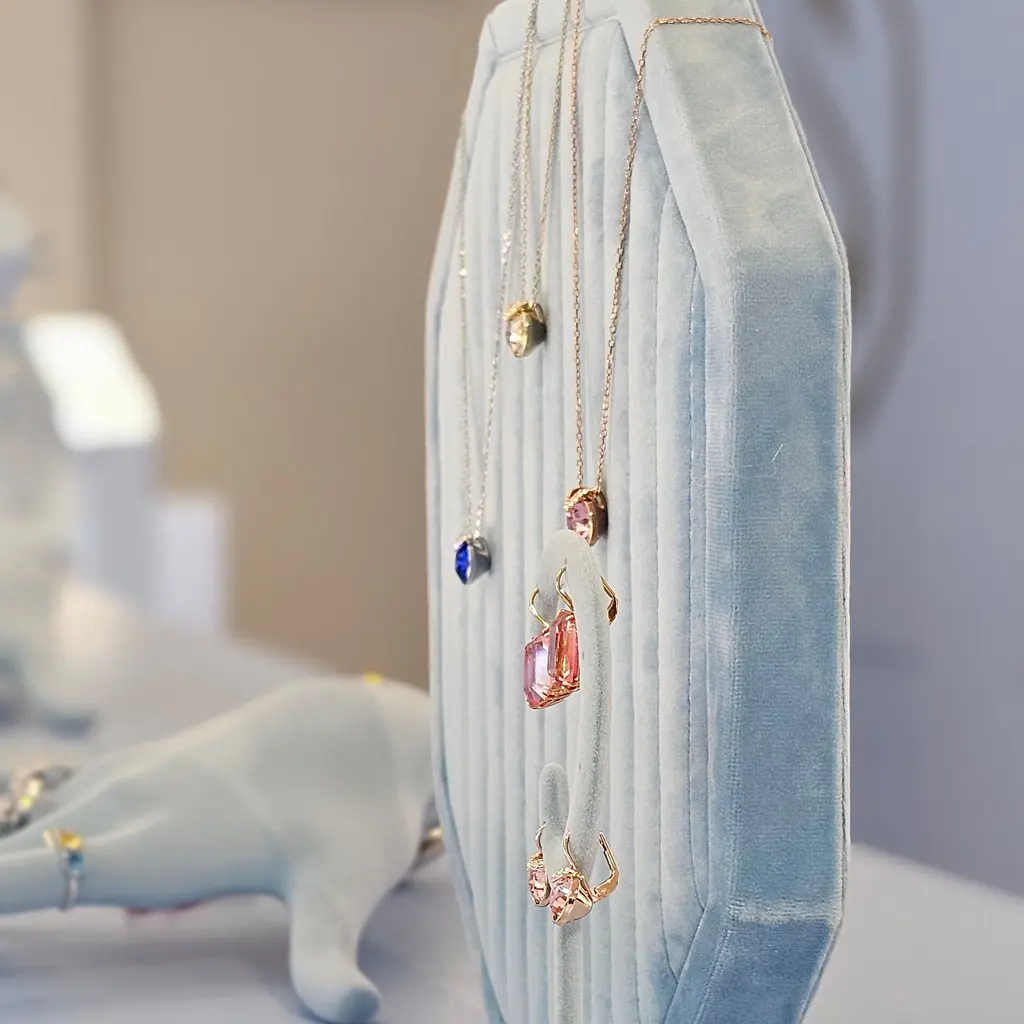
You hold substantial value in small pieces, including any customer, memo or consigned goods. A robbery can remove much of that value at once; a ring damaged during your repair work or an appraisal challenged later creates a different claim from stolen stock.
The Southern Agency can review your high-value stock and repair services to help select appropriate insurance. For example, we can compare specialized jewelry block coverage for your inventory with professional liability for your appraisal services.
Diamonds, watches and precious metals concentrate substantial value in small, portable items. A counter robbery, smashed showcase or overnight burglary can cause a serious stock loss.
Customers leave rings, watches, and heirlooms for repair, cleaning, or sizing. Losing or damaging those pieces can lead to demands against the shop; its responsibility and the available property coverage need separate consideration.
Stones and pieces shipped to cutters, casters, gem labs, or trade shows can be lost or stolen while away from the store.
An inaccurate appraisal, certification, or grading opinion can lead to professional disputes and financial claims from buyers or insurers.
Sizing, setting, and laser work at the bench can damage valuable customer pieces, triggering claims for repair or replacement.
A high-value sale can produce a stolen-card loss or chargeback. A breach involving customer or payment information is a different event, even when both arise through the checkout system.
Policies to ask about. Which ones fit depends on your operations, your contracts, and the carrier’s forms.
These hypothetical examples are not agency claim results. Whether a loss is covered depends on the facts, policy terms, and applicable exclusions.
Suppose an armed robber takes merchandise from the showcases. Jewelers block with applicable robbery coverage may help replace insured stock, using the written valuation, limit, and deductible. A separate crime policy does not necessarily insure the same jewelry or pay the loss a second time.
Suppose a customer's ring is damaged while being sized at the bench, leaving a repair or replacement bill. Jewelers block may help only if the customer goods and this kind of work damage are covered; a workmanship or bench-work extension may be needed. Taking the ring into custody alone does not establish that repair damage is insured.
Suppose a buyer alleges the shop overstated a stone's value and seeks compensation, leaving the jeweler with a dispute to defend. Professional liability written for the appraisal service may help with covered defense costs. The service, allegation and any reporting or exclusion terms must fit the offered policy; a jewelers block stock limit does not answer that question.
Start with the work you do and the questions your current policies leave unanswered. Carrier options depend on your location, risk, and underwriting. Explore our approach.
It is specialized property coverage for jewelry businesses. It can address owned stock, customer or consigned goods and off-premises movement, but each interest and activity must fall within the policy. Compare shop and transit limits, valuation, exclusions, and security conditions.
They may be if customer goods are included. Theft of a ring held overnight and damage caused while sizing it are different losses. Ask specifically about work or testing damage and any required extension, as well as the value recorded at intake.
Purchased transit and off-premises terms may help with a covered loss. Check carriers, packing, routes, maximum package or carried values and trade-show limits. Unattended vehicles can be excluded; a shop limit is not automatically a travel limit.
Appraisal and grading disputes can involve financial loss rather than missing stock. Describe those services and ask whether offered professional liability terms cover them, including defense and reporting requirements. Do not assume jewelers block or a generic retail liability policy includes the service.
Expect questions about safes or vaults, alarms, monitoring, opening, and closing, and goods left on display. Requirements vary with the insurer and risk. Compare the written conditions with what the shop can follow every day; controls alone do not guarantee an offer or claim payment.
Use the policy's valuation clause, which can treat owned stock, customer repairs, and consigned goods differently. Keep invoices, intake records, and any requested schedules or appraisals. Retail asking price, a customer's stated value and agreed-value coverage are not interchangeable.
Bring your questions, current policies, and relevant contracts. An agent can review coverage terms, exclusions, and the information carriers ask for, then explain the options available to you.