

Theft of high-value handbags
Portable designer bags can be stolen from displays, during robbery or after a break-in. A single lost piece can represent substantial stock value.
Try a different word, or check the spelling.
An authentication certificate can help describe the bag without setting its insured value or resolving a future title dispute. Your boutique's cover needs actual consignment and off-site custody terms, with stolen-card purchases and chargebacks treated separately from merchandise theft or a data breach.
The Southern Agency can help you protect high-value inventory throughout your showroom, transit, and sales processes.
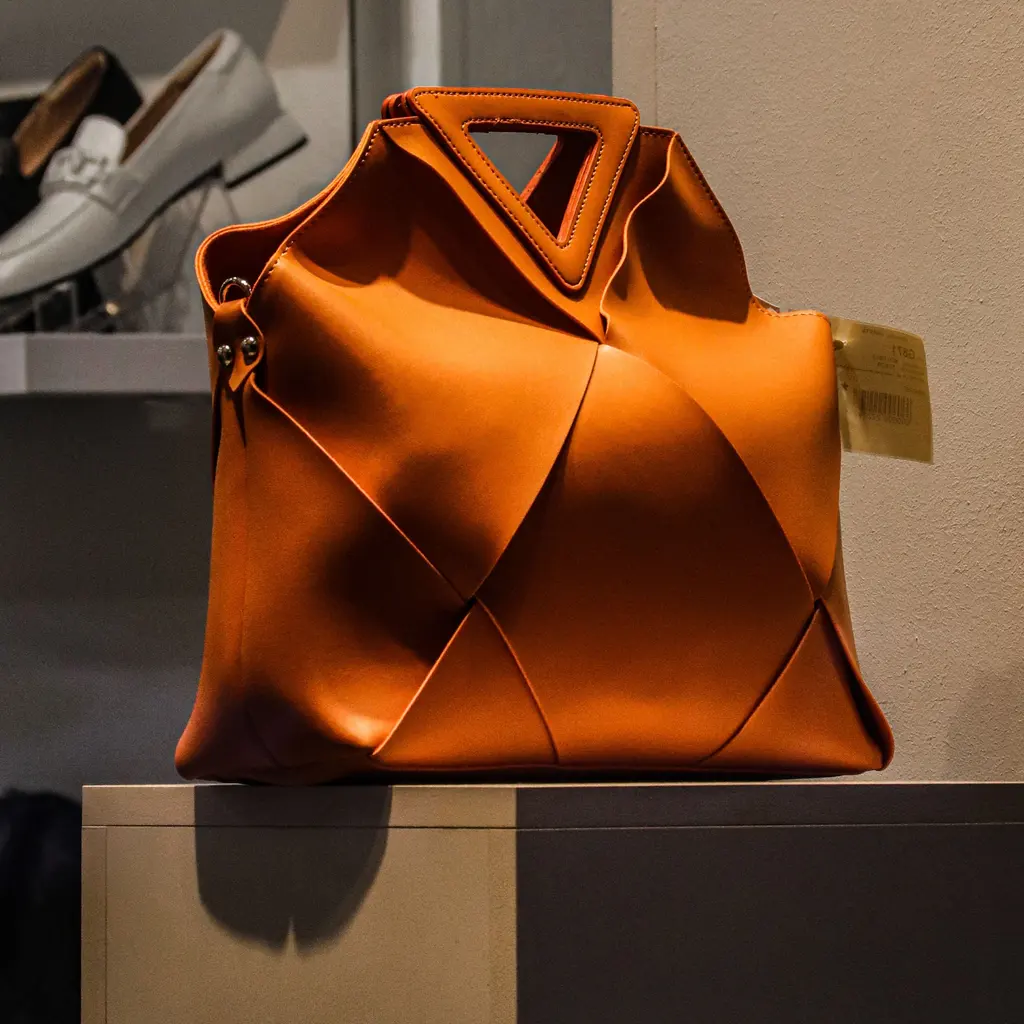
Your boutique handles high-value designer or consigned bags, where a single theft could represent significant lost revenue. Shipping items to buyers or trunk shows can also expose your inventory to damage during transit.
The Southern Agency can review your consignment arrangements, transit methods, and showroom security to help select appropriate insurance. For example, we can discuss coverage for bags held by authentication services versus those in your boutique.
Portable designer bags can be stolen from displays, during robbery or after a break-in. A single lost piece can represent substantial stock value.
Selling consignment or pre-owned luxury goods can draw claims if an item's authenticity or title is later challenged by a buyer.
Fire or water damage in a small footprint can destroy a large dollar value of compact, high-priced inventory at once.
Shoppers handling items close to glass display cases and fixtures create premises-liability exposure on the sales floor.
Stolen-card purchases, chargebacks, and compromise of actual payment/order data create different losses. A fraudulent transaction does not necessarily establish a data breach.
Bags moved to trunk shows, shipped to online buyers, or sent for authentication can be lost or damaged away from the store.
Policies to ask about. Which ones fit depends on your operations, your contracts, and the carrier’s forms.
These hypothetical examples are not agency claim results. Whether a loss is covered depends on the facts, policy terms, and applicable exclusions.
Suppose thieves break a display case and take designer bags. Applicable commercial property may help repair insured fixtures and replace accepted stolen stock at the written valuation, subject to proof, limits, deductibles, and security conditions. Compare any applicable crime clause separately; owned/consigned interests and the same stock loss are not decided by two policy labels.
Suppose a buyer alleges a pre-owned bag is counterfeit and pursues a refund claim. That financial dispute alone does not establish covered injury/property damage under general liability. Any errors-and-omissions defense needs wording actually accepting the retailer's authentication/resale role and the claim; do not assume availability from the label. An authentication provider's guarantee is a separate contract with its own claimant, proof, and transaction-based payment terms.
Suppose bags are physically damaged while being transported to a trunk show. Specific purchased inland-marine/transit terms may help repair or replace accepted stock if the actual trip, ownership, carrier/hand carrying, and cause qualify. Written valuation, limits, deductibles, and packing/security conditions apply; event storage/display needs its own accepted stage rather than an assumed extension.
Start with the work you do and the questions your current policies leave unanswered. Carrier options depend on your location, risk, and underwriting. Explore our approach.
A compact display can hold substantial value, so a single theft can create a large loss. Compare actual owned/consigned interests, individual and peak values, theft limits, valuation, security conditions, and loss proof. There is no automatic higher limit for every boutique, and property/crime labels do not establish every missing-item benefit.
Compare actual fixed-location and off-site terms rather than assuming all property stops at the door. Specific inland-marine/transit terms may help with covered stock loss during accepted travel, storage or display. Identify ownership, carriers/hand carrying, destinations, event values, causes, packing/security, limits, and deductibles for each stage.
Keep procurement/title, authentication, condition, and customer-representation records. A refund/authenticity dispute alone does not establish covered injury/property damage under general liability. Any authentication-error defense requires actual terms accepting that service and claim, not an assumed professional policy. A provider's guarantee has separate claimant, proof and transaction-value rules and is not automatically insurance for your defense or every customer promise.
Map actual shop/provider payment, customer, and order information. Cyber terms may help with defined response costs and covered privacy claims after an insured event, subject to reporting, approved services, retention, and limits. Review stolen-card purchases, chargebacks, processor demands, and any purchased fraud cover separately; a high ticket or fraudulent purchase does not prove a data breach.
Review the offered policy's actual alarm, safe, monitoring, lock-up, and any outage-reporting conditions, including off-site handling where applicable. Bring how those controls operate and the loss history. Meeting a condition does not by itself establish that a particular bag/loss is insured or guarantee price, eligibility or a claim payment.
Use the valuation written for the actual owned/consigned stock, not an assumed retail asking price or certificate amount. Bring invoices, condition, individual/total peaks, and ownership records, and compare any cost, replacement-cost, actual-cash-value or agreed-value terms actually offered, including deductions, schedules, and limits. A resale markup or limited edition alone does not establish the settlement.
Bring your questions, current policies, and relevant contracts. An agent can review coverage terms, exclusions, and the information carriers ask for, then explain the options available to you.