

Customer slips and display injuries
Browsing customers near mirrors, racks, and display tables can trip, fall, or be struck by a tipped fixture in a compact shop.
Try a different word, or check the spelling.
Small, easy-to-carry pieces can make your shelf count different from a record of proven theft. Stock protection needs the actual merchandise and jewelry limits, while any piercing or personalization adds a service responsibility beyond helping someone choose an accessory.
The Southern Agency can help you review valuable small items alongside your shop's injury and data risks.
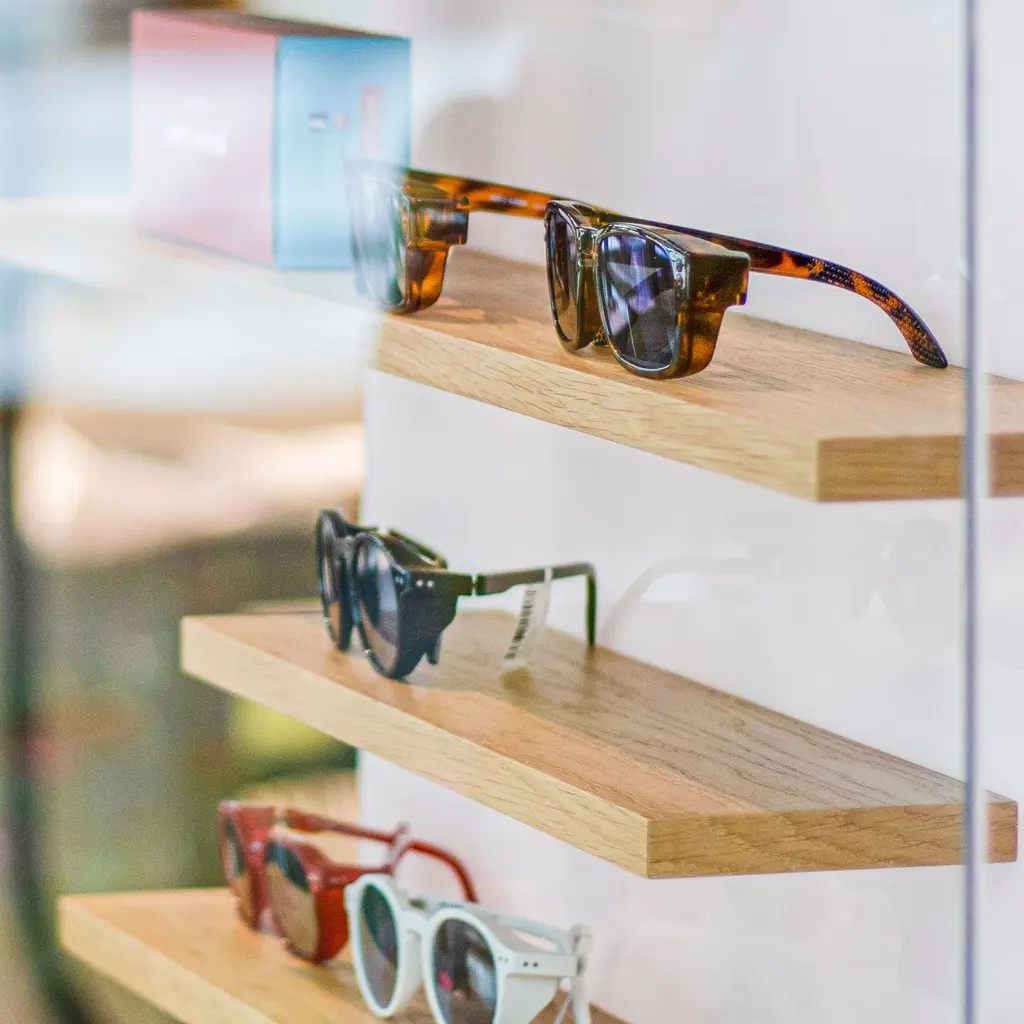
You sell accessories such as scarves, sunglasses, handbags or costume jewelry, with customers browsing and trying items at open displays. A break-in can remove valuable stock, while a customer's fall can leave you facing an injury claim.
The Southern Agency can review your assortment, displays and sales channels to help you choose insurance for your shop. We can discuss stock protection and customer liability alongside the specific theft and payment-data benefits available.
Browsing customers near mirrors, racks, and display tables can trip, fall, or be struck by a tipped fixture in a compact shop.
Small accessories are easy to conceal. Shoplifting, employee theft, and unexplained stock discrepancies need different evidence and may fall under different policy provisions.
Processing card and digital payments and storing customer contacts creates cyber and payment-card liability if systems are breached.
Piercing can lead to allegations of infection or injury. Personalization can damage an item or produce a disputed result; a refund or the cost of redoing the shop's own work is different from an injury claim.
Fire, smoke, sprinkler discharge, or a roof leak can damage densely displayed stock that represents significant value for the shop's size.
Compact, resalable merchandise makes the shop a target for break-ins outside business hours.
Staff stocking shelves, climbing step stools, and moving displays face strains and falls even when the shop has only a few employees.
Policies to ask about. Which ones fit depends on your operations, your contracts, and the carrier’s forms.
These hypothetical examples are not agency claim results. Whether a loss is covered depends on the facts, policy terms, and applicable exclusions.
Hypothetically, a shopper catches a foot on a low display table, is injured, and makes a claim against the shop. General liability may help with the defense and covered damages. Any medical-payments benefit has its own conditions and limit; an injury does not establish the shop's liability or promise payment.
Suppose thieves break in after closing and take sunglasses and fashion jewelry. Commercial property with applicable theft coverage may help replace insured stock and address insured damage to fixtures. The shop would need inventory and loss records, and jewelry sublimits or security conditions could restrict recovery. Separately purchased crime clauses need their own review rather than assuming both policies pay the same loss.
In a hypothetical register-system breach, customer card data is exposed and the shop needs a forensic investigation and legally required notifications. Cyber coverage may help pay those covered response costs, subject to reporting, insurer approval where required, limits, and the retention. Payment-processor assessments or chargebacks require separate analysis under the actual terms.
Start with the work you do and the questions your current policies leave unanswered. Carrier options depend on your location, risk, and underwriting. Explore our approach.
Start by comparing property and general liability, whether packaged in a business owners policy or arranged separately. Then review employee theft, data exposures, staff, and any piercing or customization. Eligibility and the coverage mix depend on those operations, inventory, state requirements, and offered terms.
First identify what happened: documented shoplifting, a break-in, employee theft, or an unexplained shortage. Property theft coverage and crime insuring clauses address different losses. Check jewelry sublimits, records, deductibles, and security conditions; an inventory discrepancy alone does not demonstrate a covered theft.
Review it if the shop processes payments or keeps customer information. An outside processor does not by itself settle the shop's exposure. Compare breach-response and privacy terms with data practices, notification duties, limits, and the retention; payment-card compliance and all chargebacks are not automatically included.
Do not assume a retail liability policy includes them. Describe the services and obtain confirmation in the actual coverage terms, including any professional-service or bodily-injury exclusions. A piercing injury, damage to a customer's item, and a request to redo personalization present different issues; a flawed result alone is not a promise of liability coverage.
It may provide a useful property-and-liability base if the shop and its services meet the insurer's eligibility rules. Compare jewelry and theft limits, any business-income terms, cyber needs, and worker obligations. Piercing or customer-item work needs an explicit review even when the storefront is small.
Possibly, if insured stock is damaged by a covered cause such as qualifying accidental sprinkler discharge. A roof leak is not interchangeable with every other water event: causes, maintenance conditions, exclusions, valuation, and deductibles matter. Flood usually requires separate arrangements.
Bring your questions, current policies, and relevant contracts. An agent can review coverage terms, exclusions, and the information carriers ask for, then explain the options available to you.