Skip to content

Lingerie Shop Insurance

Privacy during a fitting means more than keeping customer files secure. Review the fitting service itself, including consent and conduct, separately from staff employment claims.

The Southern Agency can help you assess your retail property and liability risks to find suitable coverage.

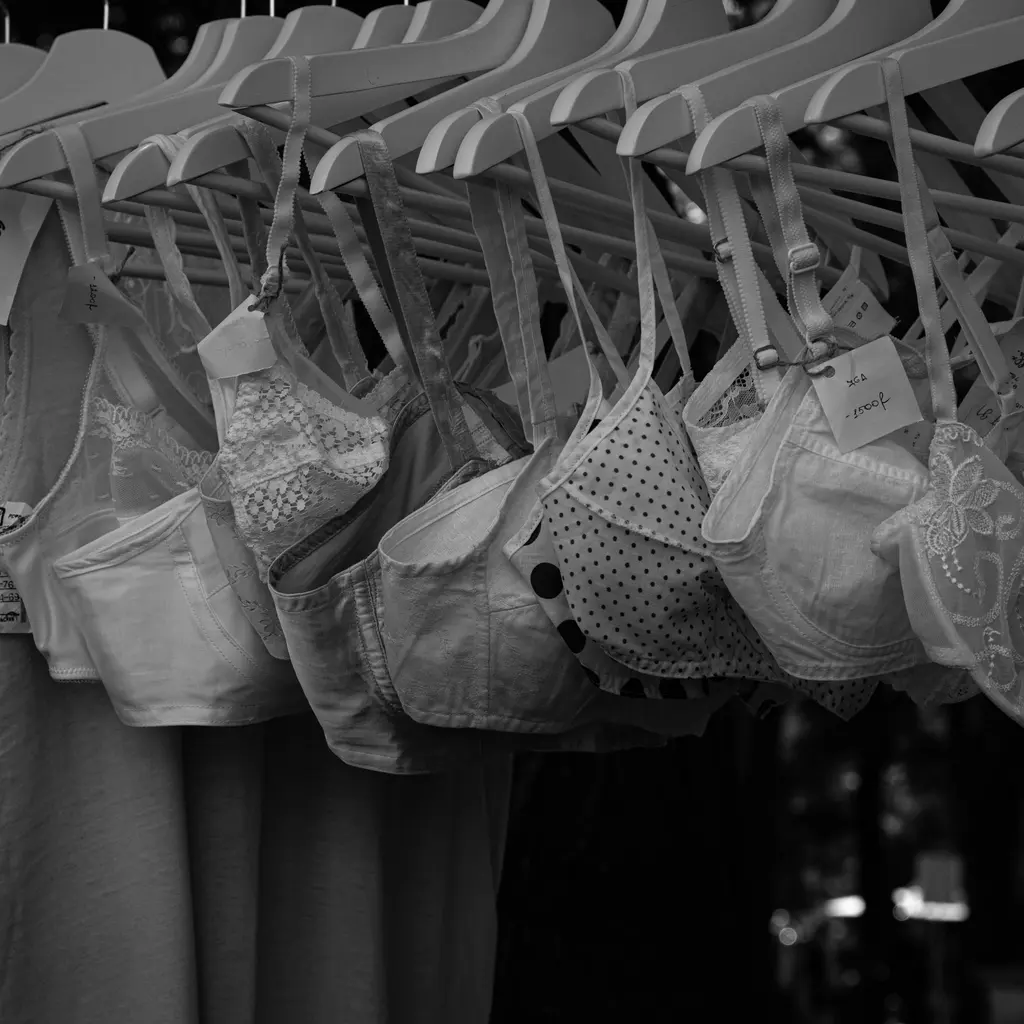
Bras in several styles hanging from a clothing display rail.

Industry overview

You help customers choose intimate apparel, often through private fittings. A fitting-room complaint raises different questions from a fall, while water or smoke damage can affect many sizes and styles of stock.

The Southern Agency can review how you conduct fittings and keep customer information to help select appropriate insurance. We can compare premises and conduct allegations with your policy terms while checking protection for your garments.

Risks worth discussing

Fitting-room privacy and conduct allegations

Private fittings and personal measurement can lead to complaints about consent, privacy, or staff conduct. A complaint about unwanted contact differs from publication of private information or an employee's workplace claim.

Customer injury during fittings or browsing

Slips, falls, and incidents in fitting rooms or among displays can lead to premises-liability claims on the sales floor.

Damage to delicate inventory

Fine fabrics, lace, and detailed garments are vulnerable to water, smoke, and theft, and losses can be costly across many sizes and styles.

Customer data and online sales exposure

Fitting records may include measurements and preferences; orders can involve personal and payment information. A breach can create response costs and privacy claims whether the shop or a provider holds the affected records.

Employment practices concerns

A personal-service workforce raises potential for harassment, wrongful-termination, and other employment-related claims among staff.

Product complaints on intimate apparel

A garment defect or skin reaction can lead to an injury allegation. A customer seeking a refund because a garment fits poorly raises a different issue from resulting injury or property damage.

Situations to think through

These hypothetical examples are not agency claim results. Whether a loss is covered depends on the facts, policy terms, and applicable exclusions.

  1. Hypothetical: Slip in a fitting room

    Suppose a customer slips in a fitting room, is injured and makes a claim against the shop. General liability may help with defense and covered damages. Any medical-payments benefit has separate conditions and a limit; the injury alone does not establish negligence or guarantee payment.

  2. Hypothetical: Employee dispute over conduct

    Suppose a staff member alleges harassment and brings an employment claim. Employment practices liability may help with covered defense and settlement costs if the claim meets the policy's reporting and coverage terms. Retention, defense limits, and exclusions still apply; this employee example does not establish coverage for every customer complaint.

  3. Hypothetical: Water damage to fine inventory

    Suppose a roof leak soaks racks of lace garments overnight, leaving damaged stock and interrupting sales. Commercial property may help only if the water event is a covered cause. Purchased business income may help with qualifying lost income during the covered restoration period. The cause of entry, maintenance conditions, valuation, and time limits matter; not every roof leak is insured.

Before you talk to an agent

What to have ready

Tick items as you gather them. Nothing here is saved or sent.

Questions to raise

  • Describe how fittings are performed, who performs them, and what information is kept. Compare customer injury, privacy publication, unwanted-contact, and employee allegations separately.
  • Read personal-and-advertising-injury definitions before assuming the word privacy includes every fitting-room complaint. Ask about service and conduct exclusions and any offered third-party employment extension.
  • Use records of seasonal size and style ranges to compare stock limits and valuation. Replacement cost must be provided by the policy, not inferred from the fabric's value.
  • Map fitting, customer-contact, and online-order records to the shop and providers. Review purchased breach response and privacy terms alongside vendor responsibilities.
  • For a closure after covered damage, compare purchased income and extra-expense protection with repairs and restocking needs. Bring the lease's insurance requirements to that discussion.

Contract terms to check

  • Bring the lease and any applicable shopping-center or franchise insurance schedule. Compare requested limits, landlord additional-insured terms, and premises responsibilities with actual endorsements; certificates do not amend coverage.
  • Review supplier and private-label agreements for product responsibilities, returns, recalls, and indemnities. The shop's refund promise is different from covered liability for harm caused by a garment.
  • Include fitting-service or contractor agreements where used, and describe who employs and supervises fitters. Contractual promises do not by themselves insure conduct or privacy allegations.
  • Review fitting-software, payment-processing and online-sales terms for data access, incident reporting, and assessments. Insurance does not certify payment-card compliance or promise every vendor reimbursement.

What the agent conversation looks like

Start with the work you do and the questions your current policies leave unanswered. Carrier options depend on your location, risk, and underwriting. Explore our approach.

  1. ListenReview your operations, current coverage, and past claims.
  2. AssessIdentify potential hazards and discuss ways to reduce risk.
  3. BuildDiscuss policy and carrier options, premium costs, and audits.
  4. SupportReview changes and help you plan ahead as your needs develop.

Questions owners ask

Why might a lingerie shop need employment practices coverage?

Staff can allege harassment, discrimination, or wrongful termination. EPL may help with covered defense and settlements, subject to its reporting, retention, and exclusions. Review whether defense reduces the limit; customer allegations and wage-and-hour demands need separate analysis.

Are private fittings a special liability concern?

They can raise injury, consent, and conduct questions that deserve an explicit coverage discussion. General liability personal-and-advertising-injury wording covers defined offenses, not every unwanted-contact or privacy complaint. A publication violating privacy, for example, differs from a complaint about the fitting itself. Review service and conduct exclusions and any relevant offered extension.

Do I need cyber coverage for fitting records?

Consider the measurements, preferences, contact, and order information the shop or its vendors actually hold. Cyber coverage may help with covered breach-response costs and privacy claims. Compare the insured event, reporting and response requirements, retention, and limit; outsourced systems do not remove every responsibility.

How is delicate inventory insured?

Commercial property may help after covered damage to garments and fixtures. Keep peak stock records and compare the written valuation and deductible; replacement cost is not automatic. Delicate materials can be harmed by causes, such as handling or gradual deterioration, that the policy may not cover.

What does a business owners policy cover here?

A BOP can combine property and general liability, often with business income. Eligibility and included operations vary. Compare fitting services, stock, online sales and income terms with the actual offer rather than assuming one shop qualifies or every privacy claim is included.

Does my lease require insurance?

Read the actual lease and insurance schedule for required policies, limits, and additional-insured wording. Compare them with the policy and endorsements. A certificate does not change coverage, and a landlord's request is not proof that every requested term is available.

Talk through your lingerie shop coverage

Bring your questions, current policies, and relevant contracts. An agent can review coverage terms, exclusions, and the information carriers ask for, then explain the options available to you.

How can we help you get started?

Choose the quote that fits, and we’ll take it from there.

Have a question? Contact us