

Customer slip and fall
Spills, dropped merchandise, and crowded aisles in a busy retail floor can lead to customer injuries and premises liability claims.
Try a different word, or check the spelling.
A miscut key can need replacing without causing the same loss as a ladder blamed for an injury. Your hardware cover should describe the counter services and products actually supplied, with customer or rental property distinguished from store stock.
The Southern Agency can help you align your store's services and stock with your insurance protection.
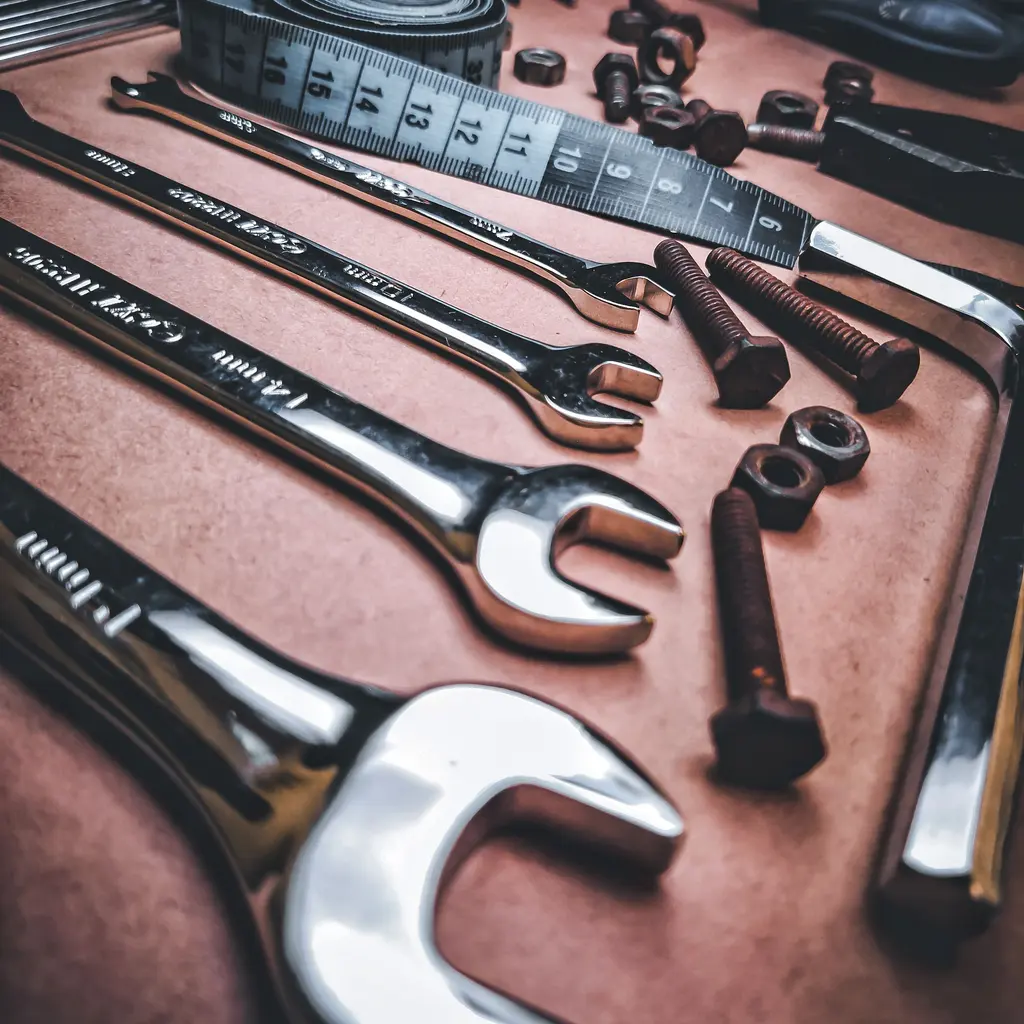
Your hardware store provides tools, chemicals, and equipment, often involving services like key cutting or delivery. A customer could be injured by falling heavy merchandise, or a stockroom fire could destroy supplies essential for your daily operations.
The Southern Agency can review your store's services, delivery arrangements, and workforce to help select appropriate insurance. For example, we can compare liability for an injury in your aisles with the specific coverage needed for paint-mixing equipment.
Spills, dropped merchandise, and crowded aisles in a busy retail floor can lead to customer injuries and premises liability claims.
Heavy items stored on high shelving can fall and injure shoppers or staff, particularly in lumber, paint, and fastener sections.
A diverse, high-value stock of tools, chemicals, and supplies is exposed to fire, sprinkler leaks, and storm damage.
Small tools can be concealed and removed without payment. Employee theft and unexplained inventory shortages also reduce stock, but require different facts and loss proof.
Tools, ladders, and equipment sold to customers can be blamed for injury or damage if they fail or are alleged defective.
Processing card transactions and any online ordering creates data-security exposure if systems are breached.
Policies to ask about. Which ones fit depends on your operations, your contracts, and the carrier’s forms.
These hypothetical examples are not agency claim results. Whether a loss is covered depends on the facts, policy terms, and applicable exclusions.
Suppose a customer slips on fluid from a leaked container in an aisle, is injured and brings a claim. General liability may help with covered defense and injury damages, depending on the facts, exclusions, and limits. Medical payments have separate conditions; injury alone does not establish fault or payment.
Suppose fire damages stored inventory and shelving. Commercial property, whether separate or in an applicable BOP, may help repair or replace those insured interests after a covered loss, using written valuation, limits, and deductibles. Purchased income would need its qualifying interruption and loss/time terms.
Suppose a ladder sold by the store is alleged to fail and injure its user. Applicable product liability, sometimes within general liability, may help defend the retailer and pay covered injury damages. Actual product roles, allegations, exclusions, and limits apply; replacing the ladder or recalling stock is a different cost.
Start with the work you do and the questions your current policies leave unanswered. Carrier options depend on your location, risk, and underwriting. Explore our approach.
A BOP can combine eligible property and general liability with income benefits as provided. Confirm actual products, chemicals, cutting/mixing, rental/delivery, and channels are accepted, then compare limits and exclusions with the operations. One location alone does not establish fit or savings, and employee, vehicle, data, and pollution needs require separate review.
A retailer can be named in an injury/property claim even when another company made the item. Applicable product terms, sometimes within general liability, may help with covered defense and damages. Describe actual goods, imports/private labels, warnings, and modification; replacing faulty stock, refunds and recall costs differ from covered resulting harm.
Bring ordinary and peak stock values/dates, ownership, and locations, then compare actual valuation and limits. Any offered peak-season or fluctuating-value benefit has its own conditions. A seasonal description alone does not expand limits without restriction or decide every tool, chemical, or water/theft loss.
Business auto may help with covered accident liability involving insured vehicles; identify drivers, owned/hired/other use and loading/unloading. Truck physical damage, carried stock and work/customer-property claims at delivery need separate terms and coordination with general liability. The delivery label does not insure each interest or every handling loss.
Purchased business income may help with covered lost income and continuing expenses if the fire-related damage and interruption meet its terms. Review actual income records, waiting/restoration periods, limits, and any extra-expense provisions offered. Property repair and income are separate benefits; a closure alone does not establish every lost sale or expense.
Provide inventory values/seasonal swings, building size/age/construction, sales, and traffic, actual delivery/rental/other services, loss history/security, and payment/e-commerce details. Staffing, limits, deductibles, valuation, and offered terms also matter. These inputs support an actual quote; a control measure or single location does not guarantee price or savings.
Bring your questions, current policies, and relevant contracts. An agent can review coverage terms, exclusions, and the information carriers ask for, then explain the options available to you.