Skip to content

Managed IT Service Insurance

A successful backup job does not establish that your client's systems can be restored within the recovery target you agreed. Managed-service protection should fit those promises and remote-access duties, with customer demands, fraud and your own response costs considered separately.

Talk with The Southern Agency about your operation, policy terms, and the information carriers need.

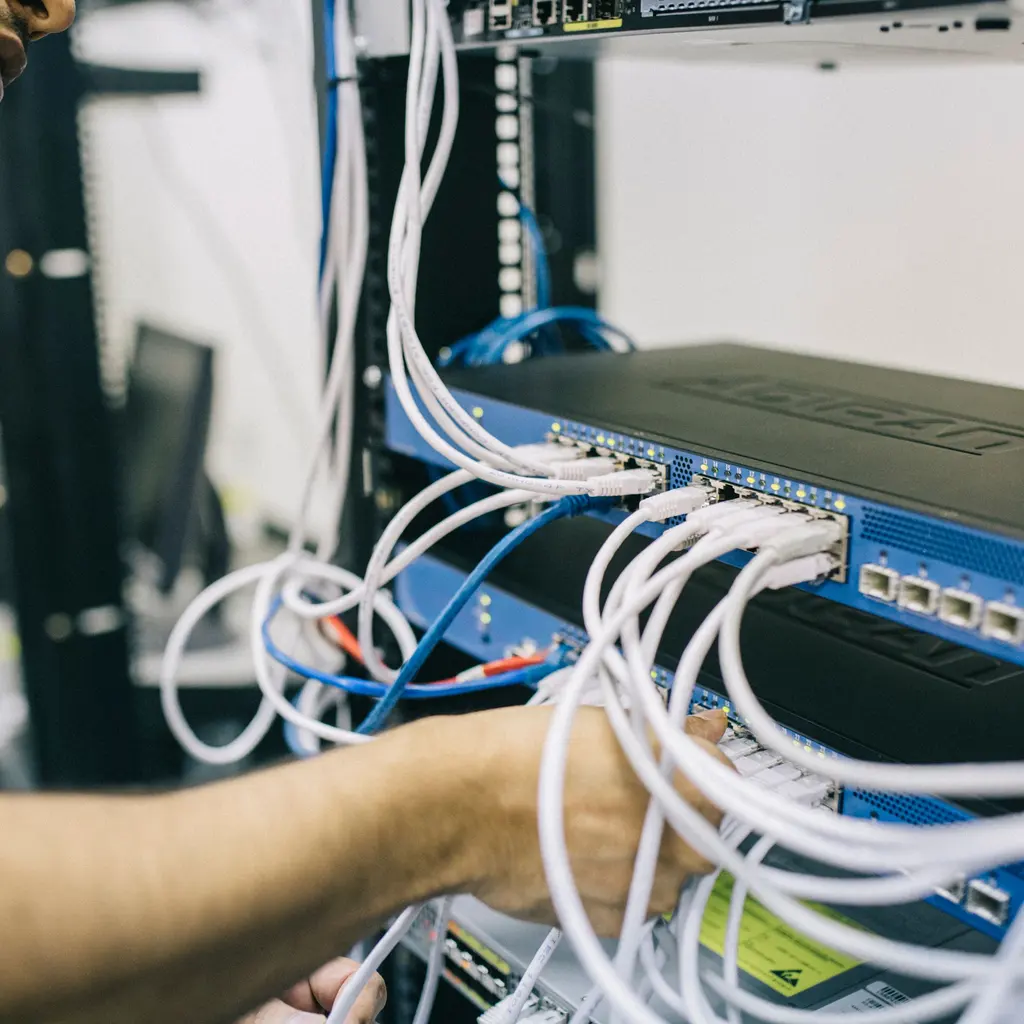
A technician working on network connections inside an equipment rack.

Industry overview

You keep clients' networks running with support, patches and monitoring, and you may also manage backups or security tools. A faulty update or compromised remote access can disrupt several customers at once and leave you facing demands for their lost revenue.

The Southern Agency can review your managed services and client agreements to help you select technology and cyber insurance. We can compare how coverage may respond to a service-error claim and to the costs of a security incident, including any limits shared across affected clients.

Risks worth discussing

One tool affects several clients

An attacker who compromises remote-management access may reach multiple customer environments. A single incident can create several demands against the MSP, making the policy's treatment of related claims and total limits important.

Missed patches and configuration mistakes

A failed update, overlooked alert or incorrect setting can interrupt a client's business. The relevant question is what work the MSP agreed to perform and how the alleged error caused loss.

Recovery shortfalls

Managed backups may be incomplete or unavailable when needed. A successful copy job does not establish that the client's systems can be restored within the agreed recovery objectives.

Fraud through trusted access

A fraudulent instruction can lead a technician to change payment details or grant access. Stolen money, investigation costs, and a client's liability demand are different losses.

Situations to think through

These hypothetical examples are not agency claim results. Whether a loss is covered depends on the facts, policy terms, and applicable exclusions.

  1. Hypothetical: Remote tool used to reach clients

    An attacker uses the MSP's management tool to compromise several clients, who seek recovery costs. Cyber and technology E&O may address different parts of the incident. Related-claims wording, exclusions, and a shared aggregate limit can restrict the combined payment.

  2. Hypothetical: Backup cannot restore a client

    After an outage, the MSP discovers a managed backup omitted a database and the client claims lost earnings. Technology E&O may help defend a covered service-error claim. Contractual recovery guarantees and service credits are not automatically insured.

  3. Hypothetical: Technician acts on a fraudulent instruction

    An impersonated client asks a technician to change payment details, resulting in a diverted payment. A crime policy with applicable social-engineering or client-loss terms may respond. Coverage depends on whose money was lost and any verification conditions; cyber coverage alone is not enough to assume payment.

Before you talk to an agent

What to have ready

Tick items as you gather them. Nothing here is saved or sent.

Questions to raise

  • How would one incident affecting several clients use the E&O and cyber limits?
  • Do subcontractors and remote-management vendors fit the insured service description?
  • Are defense costs inside the limit, and what retention applies to related claims?

Contract terms to check

  • Compare response commitments, uptime promises, and liability caps with the insurance terms. A service credit or assumed contractual penalty may remain uninsured.
  • Identify who authorizes changes, monitors alerts, and manages incident notification. Client insurance requirements do not change the MSP's policy.

What the agent conversation looks like

Start with the work you do and the questions your current policies leave unanswered. Carrier options depend on your location, risk, and underwriting. Explore our approach.

  1. ListenReview your operations, current coverage, and past claims.
  2. AssessIdentify potential hazards and discuss ways to reduce risk.
  3. BuildDiscuss policy and carrier options, premium costs, and audits.
  4. SupportReview changes and help you plan ahead as your needs develop.

Questions owners ask

How is MSP insurance different from general liability?

Technology E&O addresses covered allegations that the service caused financial harm. General liability focuses on covered bodily injury and property damage and is not a substitute for the service-error policy.

Can one breach use up coverage for several clients?

It can. Related-claims and aggregate-limit wording may group demands or cap total payment. Review an example involving your largest shared management tool.

Does cyber insurance cover every ransomware cost?

No. Response, interruption, restoration, and liability provisions can have different triggers or sublimits. Reporting, consent, and security conditions also matter.

Does crime insurance protect client money?

Only to the extent the purchased terms include the relevant interest and loss. Ask about client property, social engineering, and voluntary transfers rather than relying on the word fraud.

What happens when I change E&O insurers?

Claims-made coverage needs attention to retroactive dates, known circumstances, and reporting. Review continuity before replacing a policy; a new effective date does not by itself preserve earlier work.

Talk through your managed it service coverage

Bring your questions, current policies, and relevant contracts. An agent can review coverage terms, exclusions, and the information carriers ask for, then explain the options available to you.

How can we help you get started?

Choose the quote that fits, and we’ll take it from there.

Have a question? Contact us