

Design
Architecture may allegedly fail to meet client needs.
Try a different word, or check the spelling.
Moving from architecture advice into implementation can give your team access to client networks as well as responsibility for the design. Technology and cyber protection should follow that agreed role, with rework, guarantees, and portable demonstration gear distinguished from client data.
Share actual project scopes and acceptance terms, client-access privileges, subcontracted implementation and the equipment carried between sites.
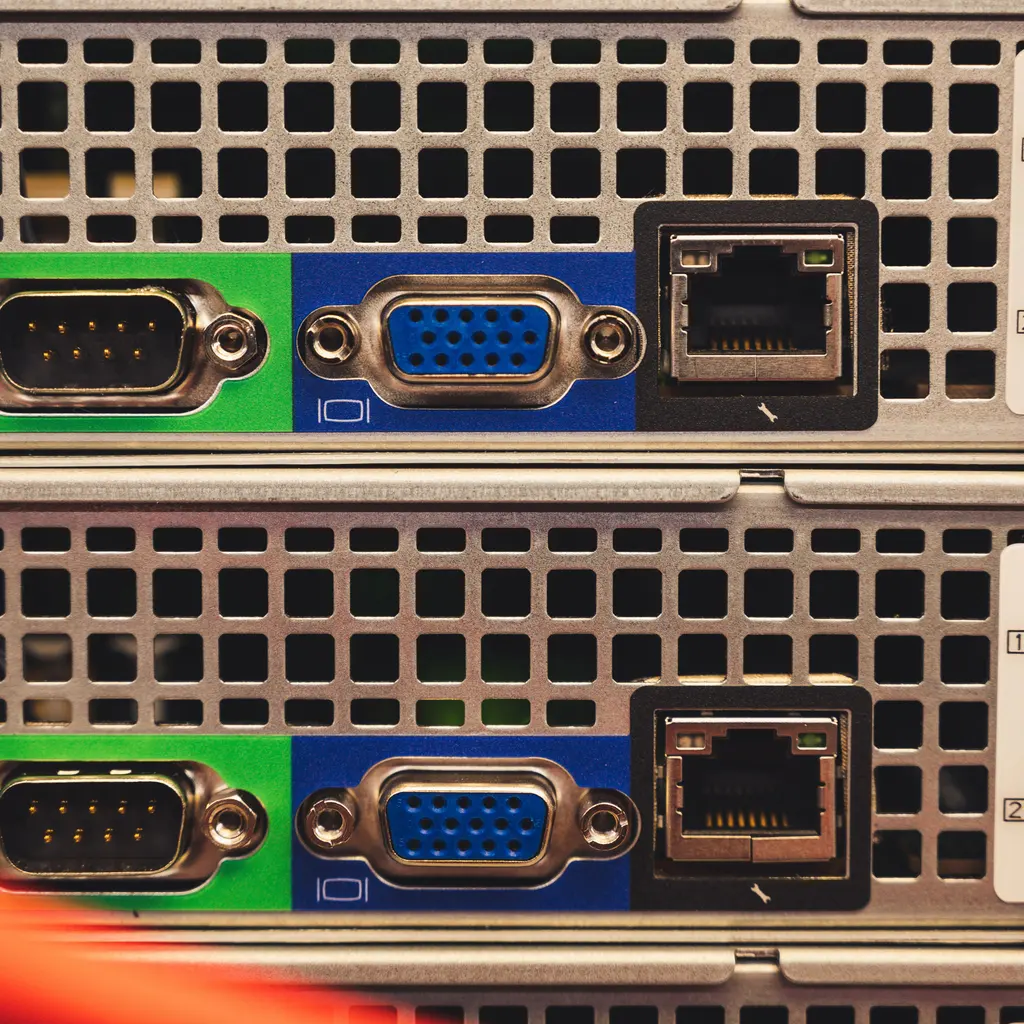
You design and implement network, storage, and cloud environments for clients. An inaccurate capacity recommendation or a flawed migration plan can cause significant financial harm even if no physical hardware is harmed.
The Southern Agency can review your advisory and implementation services to help you select appropriate insurance. We can discuss professional liability for design-related claims and cyber coverage for client-network incidents during your projects.
Architecture may allegedly fail to meet client needs.
Implementation can corrupt files or interrupt access.
Advice or credentials may be linked to a breach.
Scope or schedule disputes can become claims.
Laptops and demonstration gear travel between sites.
Policies to ask about. Which ones fit depends on your operations, your contracts, and the carrier’s forms.
These hypothetical examples are not agency claim results. Whether a loss is covered depends on the facts, policy terms, and applicable exclusions.
A client could allege that your capacity design could not support the agreed workload and caused business interruption. Accepted technology E&O may help defend a covered design claim. Compare the actual scope, requirements and damages with the policy; adding capacity, redoing the design or honoring a savings guarantee is not automatically the same insured cost.
A migration you perform could corrupt client records and prompt a compensation demand. Review whether implementation, not only advice, is accepted and which data-loss or service-liability terms apply. Restoration work, the client's interruption, your own rework and contractual penalties need separate treatment under the actual allegation and policy.
Equipment replacement and qualifying cyber response require different provisions.
Start with the work you do and the questions your current policies leave unanswered. Carrier options depend on your location, risk, and underwriting. Explore our approach.
Client reliance on design can lead to covered financial-loss allegations where technology services are accepted.
Live access and sensitive records create cyber interests beyond advice errors.
Own gear needs suitable off-site values, theft, and transit conditions.
Client hardware in your control may face custody or professional exclusions.
Use actual client requests; certificates do not expand scope or confer endorsements.
Your liability for subcontractors and their own insured status are separate policy questions.
Bring your questions, current policies, and relevant contracts. An agent can review coverage terms, exclusions, and the information carriers ask for, then explain the options available to you.