

Originals
Fire, a pipe leak or a handling accident can damage entrusted manuscripts and photographs. A scan may preserve information without replacing the original artifact or establishing its insured value.
Try a different word, or check the spelling.
Cleaning or stabilizing an original can alter the very material a client entrusted to you. Conservation and bailee protection need the actual treatment and valuation terms, with digitized masters, their restoration, and your own scanning equipment considered as separate interests.
The Southern Agency can compare the originals you accept, treatments you perform and digital work you promise with the corresponding custody and service terms.
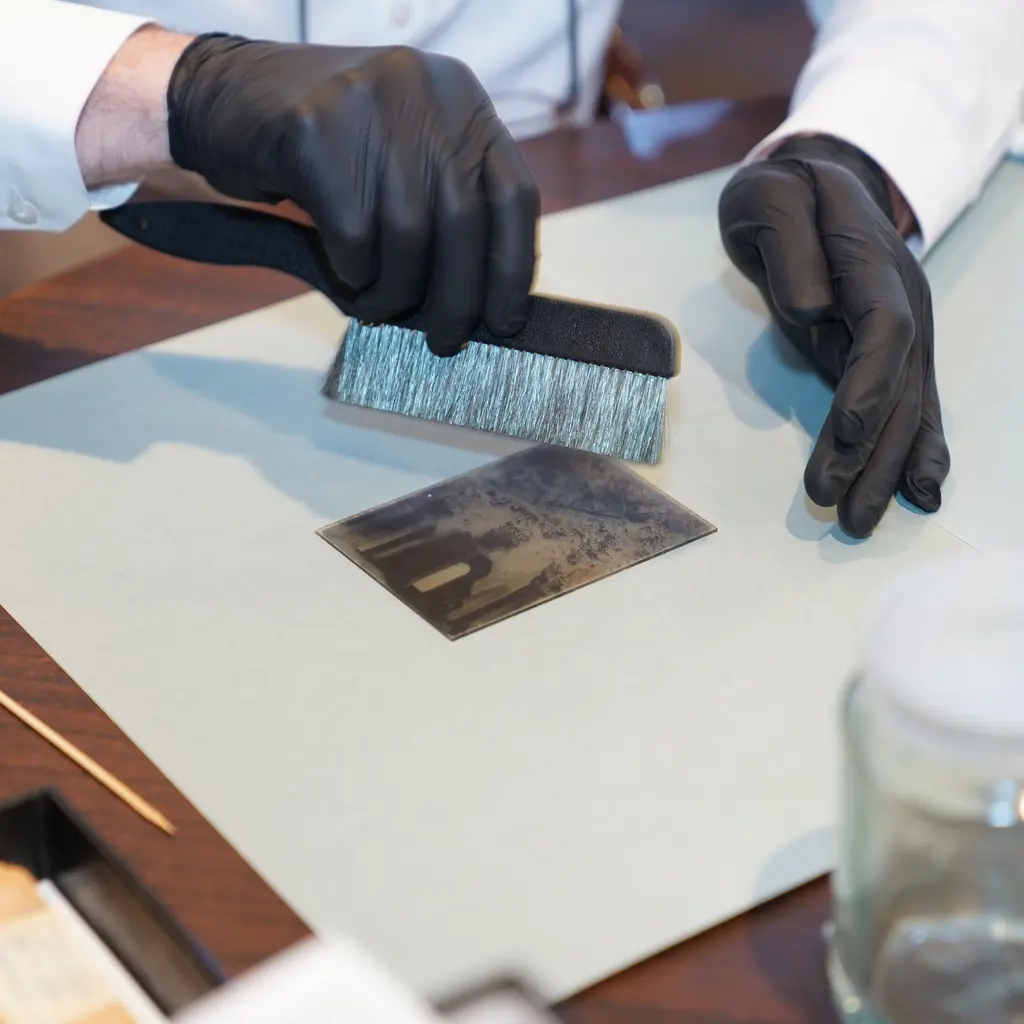
You treat fragile originals and create digital masters for preservation. Physical damage to an artifact cannot be solved by a scan, while a corrupted digital master may require the entire digitization process to be repeated.
The Southern Agency can review your conservation techniques and digitization workflow to help you select appropriate insurance. We can discuss bailee coverage for entrusted physical originals alongside property protection for your own scanning gear.
Fire, a pipe leak or a handling accident can damage entrusted manuscripts and photographs. A scan may preserve information without replacing the original artifact or establishing its insured value.
Cleaning, flattening or stabilization may alter fragile paper or an image. An accidental handling loss and damage caused by the treatment itself can receive different insurance treatment.
A corrupted master may require rescanning, and missing originals or incomplete backups may prevent it. Your rework, client loss and a privacy incident are different interests.
Scanner or climate-equipment failure can stop work or change storage conditions. Repairing a machine is different from accepting resulting deterioration of client materials.
Moving archive boxes and working around equipment can injure staff; visitors can also be hurt in the workshop. Access controls and custody records help distinguish physical loss from missing-item or rights disputes.
Policies to ask about. Which ones fit depends on your operations, your contracts, and the carrier’s forms.
These hypothetical examples are not agency claim results. Whether a loss is covered depends on the facts, policy terms, and applicable exclusions.
Suppose a pipe leak damages manuscripts awaiting treatment. Compare accepted water causes, custody/location and recorded condition/value under the client-artifact terms. Historical importance does not establish unlimited payment, and rescanning is not replacement of the originals.
Suppose a cleaning treatment discolors a client's map. Compare actual authorized treatment and accepted conservation/processing damage with professional and artifact exclusions. Correcting your work and a client demand for lost artifact value are different costs.
Suppose unauthorized access compromises archive files and client information. Compare actual system/data interests and qualifying response/restoration with notice and consent terms. A digital master, privacy liability and a physical original do not share an assumed insured value.
Start with the work you do and the questions your current policies leave unanswered. Carrier options depend on your location, risk, and underwriting. Explore our approach.
Compare explicit client-artifact interests, values and custody/transit locations with covered causes. Your workshop stock limit or the original's historical importance does not establish its insured amount. Record existing condition and ownership before treatment.
Describe the actual authorized conservation method. Suitable terms must accept the relevant treatment and physical/processing damage; ordinary bailee or professional labels alone are not enough. Reworking your service and compensating artifact-value loss are different interests.
Digitized collections create privacy and restoration questions separate from paper originals.
Property perils do not automatically include internal breakdown or climate-related deterioration.
Identify the cause and whether backups or originals permit recreation. Selected digital-restoration or accepted service-liability terms may address different costs; an ordinary corrupt file, redoing a scan and a privacy incident are not automatically the same covered event.
Employee facts, duties and applicable rules determine compensation obligations.
Bring your questions, current policies, and relevant contracts. An agent can review coverage terms, exclusions, and the information carriers ask for, then explain the options available to you.