

Availability
A router error or upstream outage can stop subscriber service. Restoring your network, your lost income and customer service credits involve different causes and financial interests.
Try a different word, or check the spelling.
Routing a customer's traffic does not mean you retain every piece of information that passes through the network. Your cyber and connectivity protection should fit the records and services actually held or provided, with upstream dependency, service credits, and hardware interests reviewed separately.
The Southern Agency can compare your connectivity duties, actual subscriber records and upstream dependencies with the corresponding service and equipment terms.
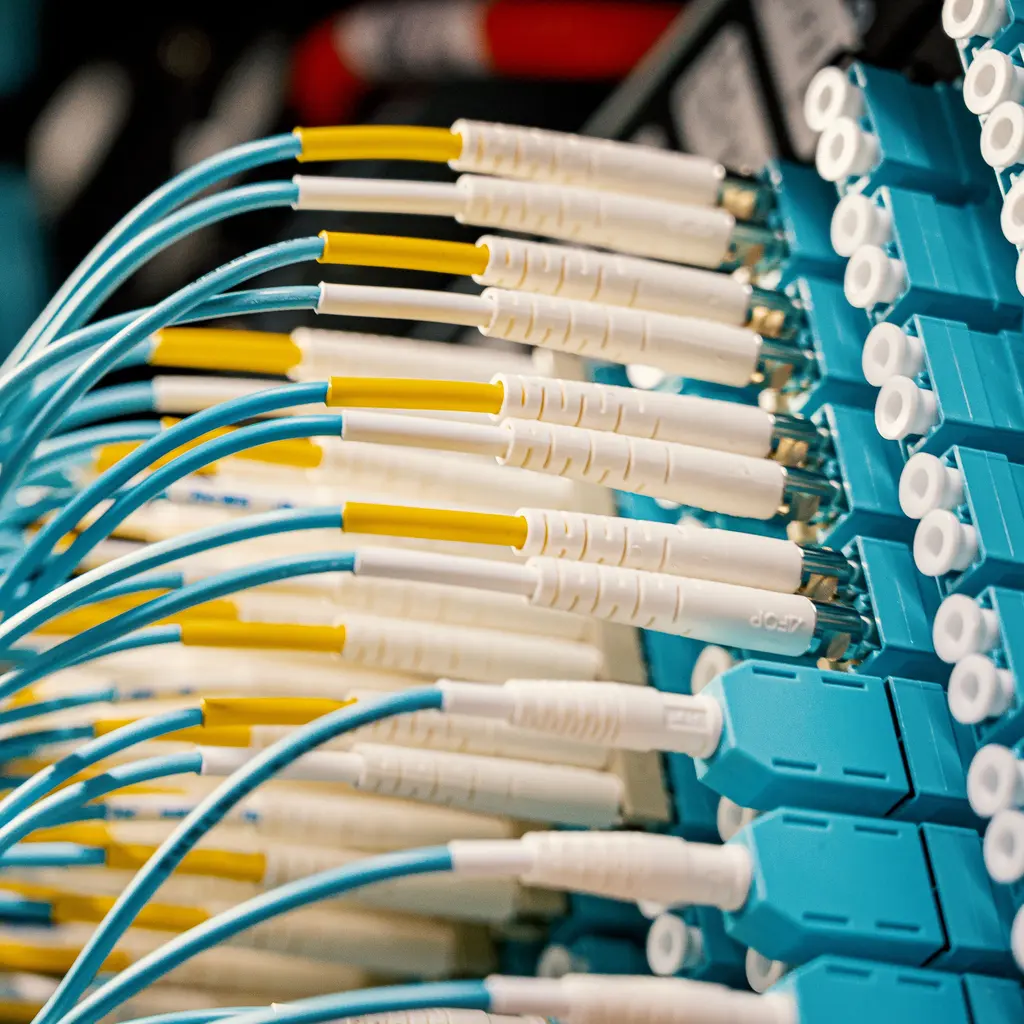
You provide connectivity, which can be interrupted by configuration errors, or you may face privacy losses from subscriber-data incidents. Your service reliability depends on both your equipment and upstream providers.
The Southern Agency can help review your network assets and service footprint to select appropriate insurance. We can discuss how to address technology claims related to your configuration work and data retention.
A router error or upstream outage can stop subscriber service. Restoring your network, your lost income and customer service credits involve different causes and financial interests.
An incorrect route, provisioning change or configuration can disrupt a customer's business. Accepted financial-loss allegations differ from refunding fees or guaranteeing every customer's lost sale.
Subscriber accounts, credentials and payment information can be exposed. Describe any traffic logs actually retained and vendors/access; routing traffic does not establish that you store all of it.
Routers and their power/cooling equipment can suffer physical damage or internal failure. Leased circuits and upstream facilities may not be your insured property.
Installers can damage customer premises, fall from access equipment or have a service-vehicle accident. Staff injuries, customer physical damage and vehicles need different terms from connectivity errors.
Policies to ask about. Which ones fit depends on your operations, your contracts, and the carrier’s forms.
These hypothetical examples are not agency claim results. Whether a loss is covered depends on the facts, policy terms, and applicable exclusions.
Suppose a router configuration error interrupts a business customer's connection and prompts a lost-income claim. Compare accepted service error and technology E&O reporting/damage terms. Your own hardware repair, ordinary rework and promised service credits are different costs.
Suppose unauthorized access exposes subscriber account records. Compare actual held information and systems/vendors with qualifying cyber response/liability and notice/consent. Traffic passed through the network does not establish that every customer's content was retained or exposed.
Suppose a cooling-system failure shuts down network equipment. Compare qualifying internal failure, accepted resulting damage and purchased income/extra expense. An upstream outage, ordinary maintenance and SLA payments require different provisions.
Start with the work you do and the questions your current policies leave unanswered. Carrier options depend on your location, risk, and underwriting. Explore our approach.
Coordinate connectivity E&O, cyber, property, equipment, and field interests.
Accepted service errors may produce covered financial-loss allegations; SLA penalties can remain excluded.
Start with subscriber, payment and any traffic information actually held, plus systems, access and vendors. Compare qualifying incident/response, privacy liability, reporting and restoration with technology E&O and any shared limits. Do not infer that every routed packet is stored or every outage is a breach.
Outage cause determines the relevant form; downtime alone is not a universal trigger.
Physical perils and internal breakdown require different provisions and insured equipment.
Use actual enterprise requests and compare them with accepted services and exclusions.
Bring your questions, current policies, and relevant contracts. An agent can review coverage terms, exclusions, and the information carriers ask for, then explain the options available to you.