

Network
Radio and switching equipment can be damaged by fire, theft or weather. Carrier-owned electronics, leased tower space and tower-owner structures need separate values and responsibilities.
Try a different word, or check the spelling.
Location data can reveal more about your subscriber than an account address. Network and privacy protection should fit the information actually held, with owned or leased sites, any retail operation and fuel or battery duties distinguished from ordinary equipment repair or outage income.
The Southern Agency can review your actual network and retail interests, subscriber-data duties and the crews responsible for field work.
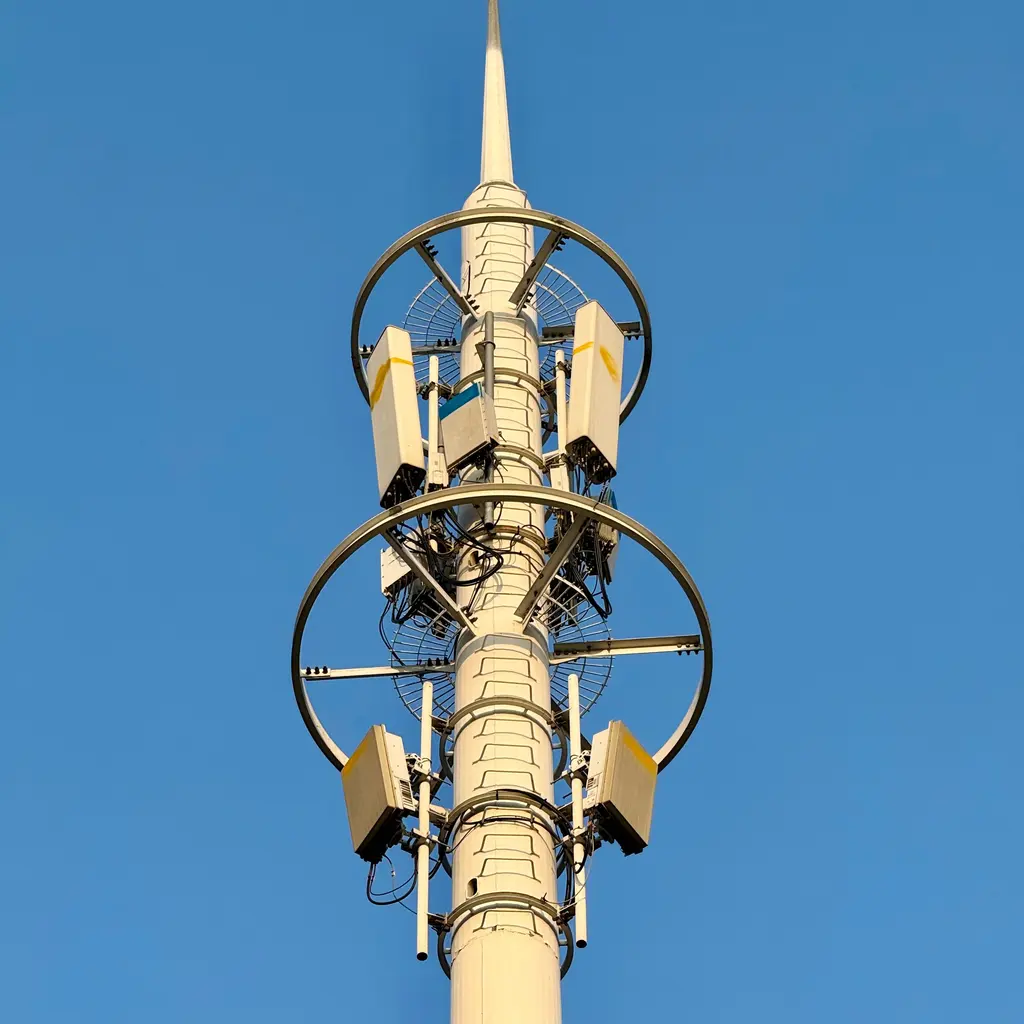
You manage radio networks and subscriber services, and may also maintain retail locations. A power failure at a tower site or a privacy breach involving subscriber data can result in significant operational costs.
The Southern Agency can review your equipment interests and subscriber operations to help you select appropriate insurance. We can help distinguish between your retail property needs and the technical coverage required for your network assets.
Radio and switching equipment can be damaged by fire, theft or weather. Carrier-owned electronics, leased tower space and tower-owner structures need separate values and responsibilities.
A network failure can generate customer claims, credits and regulatory demands without a fire or other owned-property damage. Downtime alone does not establish one universal insured event.
Climbing, electrical work and bucket-vehicle use expose workers and others to serious injury. Your staff and tower-owner or outside crews can have different employer and site duties.
Unauthorized access to held account or location records can expose subscribers and prompt response costs or allegations. Actual information, access/vendor roles and legal duties matter, not the carrier label alone.
Generator fuel/battery releases, retail phone stock and store visitors create different losses. Network property, cleanup, employee injury and customer liability are not interchangeable.
Policies to ask about. Which ones fit depends on your operations, your contracts, and the carrier’s forms.
These hypothetical examples are not agency claim results. Whether a loss is covered depends on the facts, policy terms, and applicable exclusions.
Suppose an antenna technician falls during maintenance. Identify actual employer, site, climbing task and equipment before comparing compensation or contractor/site liability. A shared mast does not make all crews employees or insureds of the carrier.
Suppose unauthorized access exposes held subscriber location and account records. Compare actual system/vendor and data roles with accepted incident, response and privacy terms. Regulatory investigation, fines and customer credits require their own provisions.
Suppose generator diesel reaches soil at a leased network site. Compare actual fuel owner/site duties and accepted release/cleanup terms with reporting and consent. Generator repair, routine disposal and every lease indemnity are different interests.
Start with the work you do and the questions your current policies leave unanswered. Carrier options depend on your location, risk, and underwriting. Explore our approach.
Coordinate network, field, retail, data, power, and management interests for actual operations.
Cause and purchased terms determine repairs, income, and liability; customer refunds are not automatically insured.
Field travel and bucket vehicles require suitable auto activities and limits.
Stored fuel or batteries create separate release and cleanup questions.
Actual location and account records need accepted privacy and incident scope.
Retail sites add visitor and merchandise values not necessarily captured by network schedules.
Bring your questions, current policies, and relevant contracts. An agent can review coverage terms, exclusions, and the information carriers ask for, then explain the options available to you.