

Transfers and securement
An incorrect transfer or restraint can injure a passenger. Clinical care and ordinary transport assistance may receive different treatment.
Try a different word, or check the spelling.
Helping a rider from a home to a lift can involve assistance duties beyond driving an accessible vehicle. Your passenger and service protection should fit the transfers and securement actually performed, with abuse, clinical-service exclusions, and rider privacy reviewed without assuming you provide medical care.
Show where each trip's assistance begins and ends, actual transfer and securement tasks, lift equipment, staff duties and rider-record access.
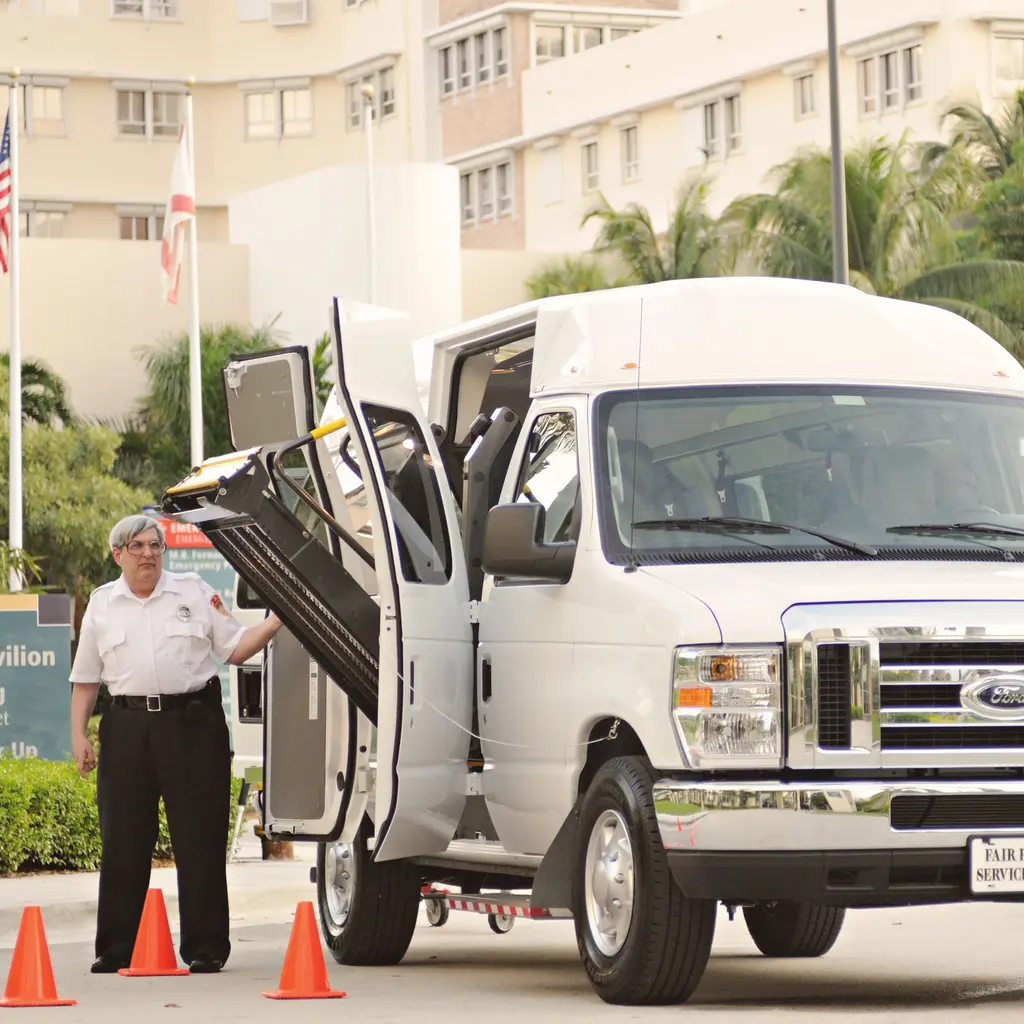
You assist riders with mobility needs, which may involve operating lifts, securing wheelchairs, or helping passengers at their homes. A fall while assisting someone at a residence can lead to a serious claim even without a vehicle accident.
The Southern Agency can review your assistance duties and passenger-handling procedures to help you choose insurance for those specific risks. We can help you determine how professional liability or general liability applies to your interactions with riders versus road risks.
An incorrect transfer or restraint can injure a passenger. Clinical care and ordinary transport assistance may receive different treatment.
Mechanical failure can injure a rider and remove an accessible vehicle from service.
Direct contact with vulnerable riders can lead to abuse allegations. Ordinary liability may exclude the alleged conduct.
Aides face lifting injuries, while dispatch systems may reveal health details and travel patterns.
Policies to ask about. Which ones fit depends on your operations, your contracts, and the carrier’s forms.
These hypothetical examples are not agency claim results. Whether a loss is covered depends on the facts, policy terms, and applicable exclusions.
A passenger could fall while an aide assists between the home and vehicle, prompting a claim about the transfer. Review the actual door-to-door or hands-on duties, operator and bodily-injury provisions under auto, assistance and professional terms. Being away from the vehicle does not alone assign the claim to GL or establish insured clinical care.
A wheelchair occupant could be injured when a lift fails during boarding. Accepted passenger-auto or assistance liability may help with covered injury claims under the actual boarding terms. Repairing the lift and arranging replacement accessible transport require their own property, cause and expense provisions; mechanical wear is not automatically insured damage.
A rider alleges improper conduct. Any abuse coverage depends on insured parties, allegations and exclusions; intentional acts may remain excluded.
Start with the work you do and the questions your current policies leave unanswered. Carrier options depend on your location, risk, and underwriting. Explore our approach.
Assistance, accessibility, and safeguarding exposures extend beyond driving. Describe actual services before selecting the liability structure.
Only suitable explicit coverage should be relied on. Review defense, insured parties, exclusions, and excess treatment.
A claim may allege errors in passenger assistance. The form must accept those duties, with clear bodily-injury provisions.
They can request coverage and service standards, but insurer acceptance and legal compliance must be checked separately.
Covered injury and covered equipment damage are different questions. Ordinary mechanical wear is not automatically an insured repair.
Bring your questions, current policies, and relevant contracts. An agent can review coverage terms, exclusions, and the information carriers ask for, then explain the options available to you.