

Collisions in heavy urban traffic
Large buses navigating congested intersections, bus lanes and tight turns can collide with vehicles or people on foot during daily service.
Try a different word, or check the spelling.
Your passenger's trip includes boarding, lift assistance, and the transit stop, not only time in a moving bus. Fleet and passenger protection should fit those stages, with garage operations, fare data and worker injuries kept distinct from an assumption that one bus policy covers every transit duty.
The Southern Agency can review your routes, passenger-assistance duties and stop or garage responsibilities alongside the fleet terms.
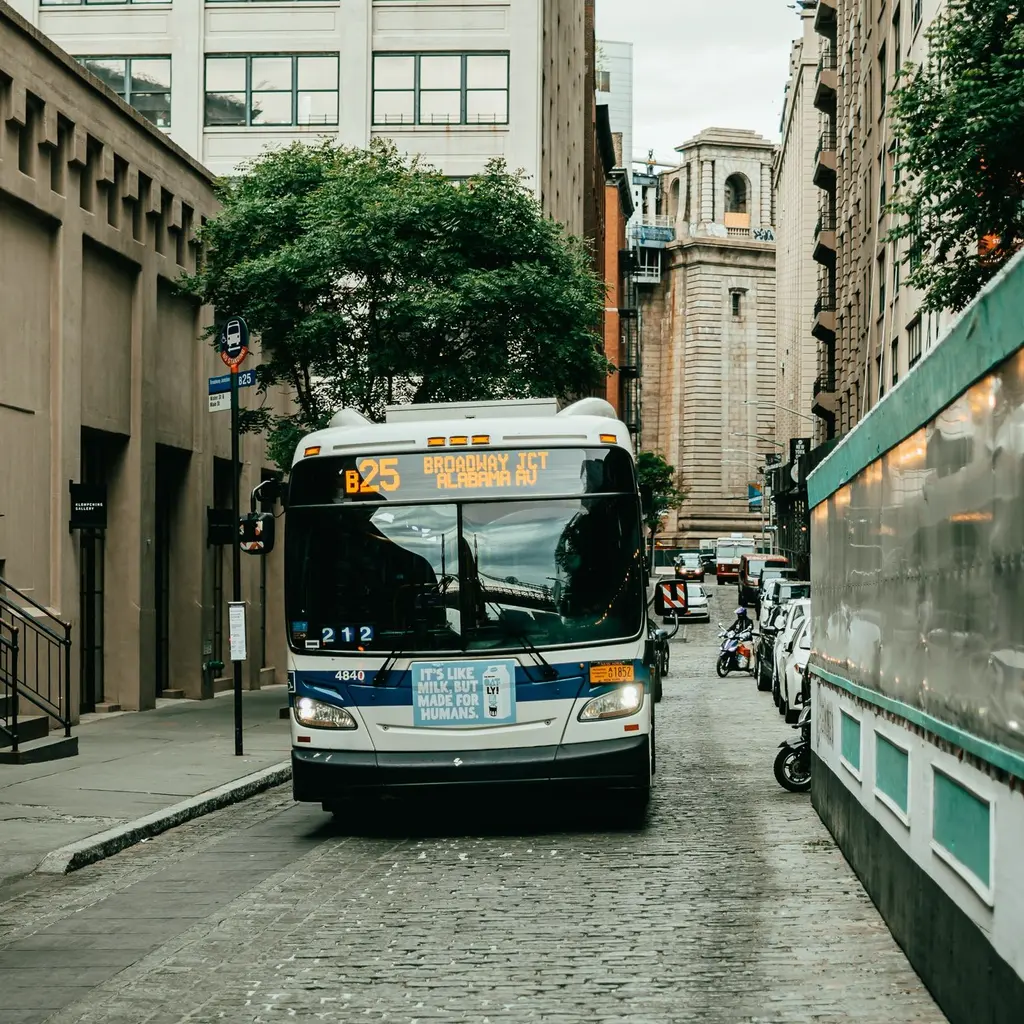
You manage public transit routes, moving passengers throughout the city and maintaining transit hubs. Collisions and passenger injuries are significant operational risks that can lead to large claims and service interruptions.
The Southern Agency can review your bus fleet and transit operations to help you select appropriate insurance. We can help you differentiate between the liability coverage required for your vehicles and the property coverage needed for your transit centers.
Large buses navigating congested intersections, bus lanes and tight turns can collide with vehicles or people on foot during daily service.
A rider may slip on a step, fall when a bus brakes or be hurt while using lift and securement equipment.
Bus lifts, fueling, parts handling and heavy repairs can lead to fire, equipment damage or worker injuries in a garage.
Long hours driving, repetitive tasks, and heavy repair work can injure drivers and mechanics.
Fare cards, mobile ticketing and payment terminals may hold customer information that could be exposed in a cyber incident.
A lift or securement device can fail during boarding, injuring a rider or delaying their trip. Inaccessible stops or missed assistance can also lead to rider complaints.
A serious crash involving a full bus can lead to multiple injury claims and costs above a primary policy limit.
Policies to ask about. Which ones fit depends on your operations, your contracts, and the carrier’s forms.
These hypothetical examples are not agency claim results. Whether a loss is covered depends on the facts, policy terms, and applicable exclusions.
Hypothetical: A bus and car collide at a downtown intersection, injuring riders and the other driver. Auto liability may cover resulting claims if the policy and facts support it.
Hypothetical: A standing rider falls when the driver brakes suddenly and seeks compensation. Review the bus policy and any passenger medical-payments coverage for this event.
Hypothetical: A maintenance-garage fire damages parked buses and equipment. Property coverage may apply to the garage and listed contents; bus damage depends on the fleet policy and cause of loss.
Start with the work you do and the questions your current policies leave unanswered. Carrier options depend on your location, risk, and underwriting. Explore our approach.
Business auto is central because buses operate on city streets, but the operator may also need to review stops, workers, facilities, and fare systems. Fleet size and service determine the actual program.
A serious crash with multiple riders can produce claims above primary limits. Excess coverage adds limits only over the policies it lists and when its attachment terms are met.
A fall at a stop and an injury inside a moving bus may involve different policy wording. Review where the event happened and the auto and general-liability forms rather than assuming one policy handles both.
If the system processes fares electronically, a breach or outage could affect payment and rider data. Cyber coverage may help with covered response costs; the systems and policy terms matter.
A garage building, a worker injury, and damage to a bus are different losses. Property, workers' compensation and fleet physical-damage terms apply according to the property, worker and cause involved.
Bring your questions, current policies, and relevant contracts. An agent can review coverage terms, exclusions, and the information carriers ask for, then explain the options available to you.