

Congested pickup areas
Repeated stops beside pedestrians and other vehicles create road and curbside injury risks.
Try a different word, or check the spelling.
A stationary shuttle can still be involved in boarding or loading, so turning off the engine does not settle the liability boundary. Your passenger and premises protection should fit those duties, with luggage custody, driver lifting, and reservation records considered separately.
Talk with The Southern Agency about your operation, policy terms, and the information carriers need.
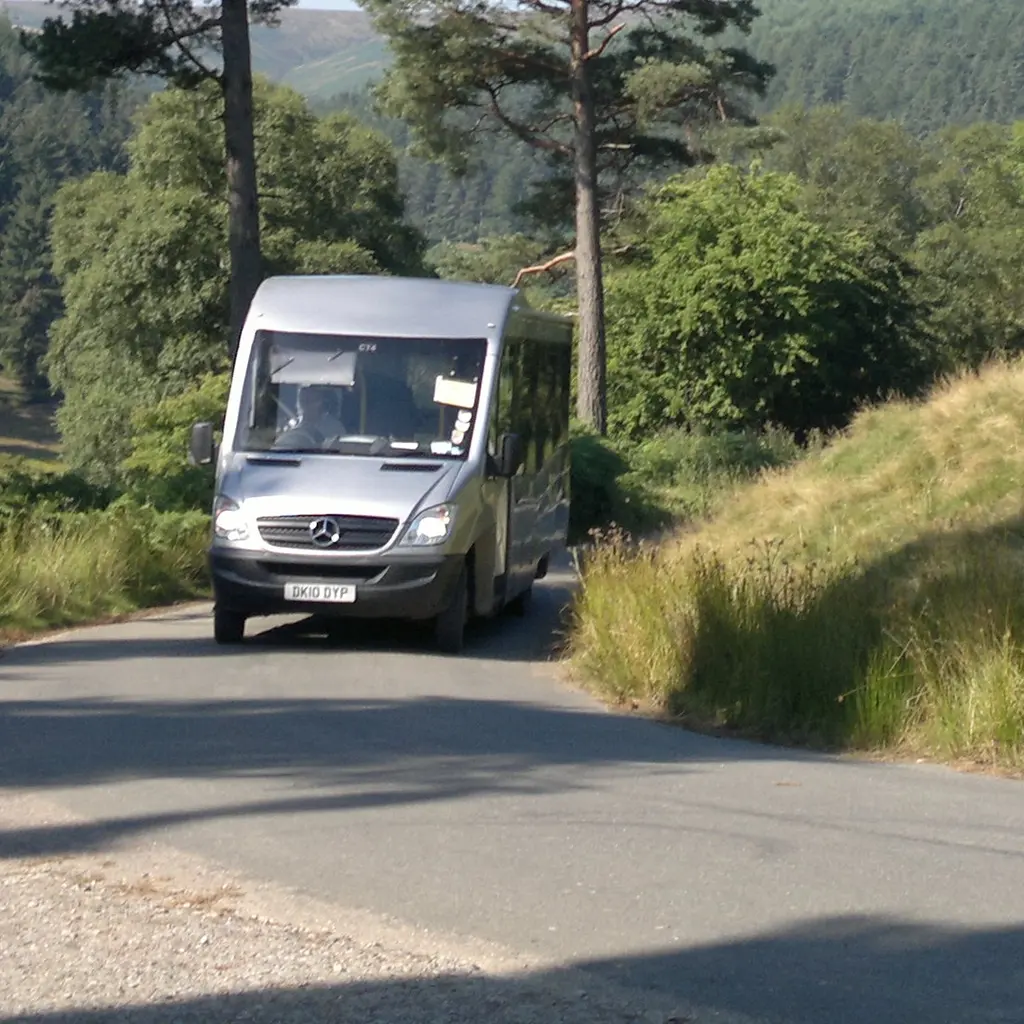
You provide repeated transport for passengers between locations like airports or hotels. Busy environments and the physical demands of loading luggage create risks for both your riders and your drivers.
The Southern Agency can review your routes and luggage-handling duties to help you select appropriate insurance. We can discuss how to coordinate auto coverage for passenger transport with other liability policies that address curbside or facility incidents.
Repeated stops beside pedestrians and other vehicles create road and curbside injury risks.
Steps, curbs, and luggage can contribute to falls. The auto/GL boundary is not determined simply by whether the engine is running.
A damaged or missing suitcase can create a custody claim, while lifting bags can injure employees.
Heavy use requires maintenance; booking and payment systems add information exposure beyond driving.
Policies to ask about. Which ones fit depends on your operations, your contracts, and the carrier’s forms.
These hypothetical examples are not agency claim results. Whether a loss is covered depends on the facts, policy terms, and applicable exclusions.
A shuttle clips another vehicle. Accepted commercial auto use and liability facts determine the response.
A rider is injured boarding a parked shuttle. Auto and premises liability boundaries require incident-specific review.
A bag is crushed while being stowed. Baggage custody, settlement, and exclusions determine recovery.
Start with the work you do and the questions your current policies leave unanswered. Carrier options depend on your location, risk, and underwriting. Explore our approach.
Passenger auto is central, alongside the actual non-auto, baggage, and employee duties. The route and contracts determine the mix.
They can request protection or allocate liability. Compare the requests with accepted operations and endorsements.
It may be under suitable baggage or custody terms. Review limits and valuation instead of relying on an inland marine label.
Potentially, but stationary boarding may still be an auto exposure. Review both forms and the incident facts.
Consider reservation data, payment access, and vendor responsibilities, with covered breach terms appropriate to the service.
Bring your questions, current policies, and relevant contracts. An agent can review coverage terms, exclusions, and the information carriers ask for, then explain the options available to you.