

Overhead hazards
Branches, signs, and bridges can endanger open-top riders. Route changes can introduce new clearances.
Try a different word, or check the spelling.
A route change can put different branches, signs, or bridges above the same bus. Double-decker passenger protection needs your actual open-top use and route, with specialized repairs and parked boarding reviewed separately from ordinary depot property or equipment breakdown.
Bring actual bus heights and capacities, open-top design, permitted routes, detour-clearance procedures and passenger movement rules.
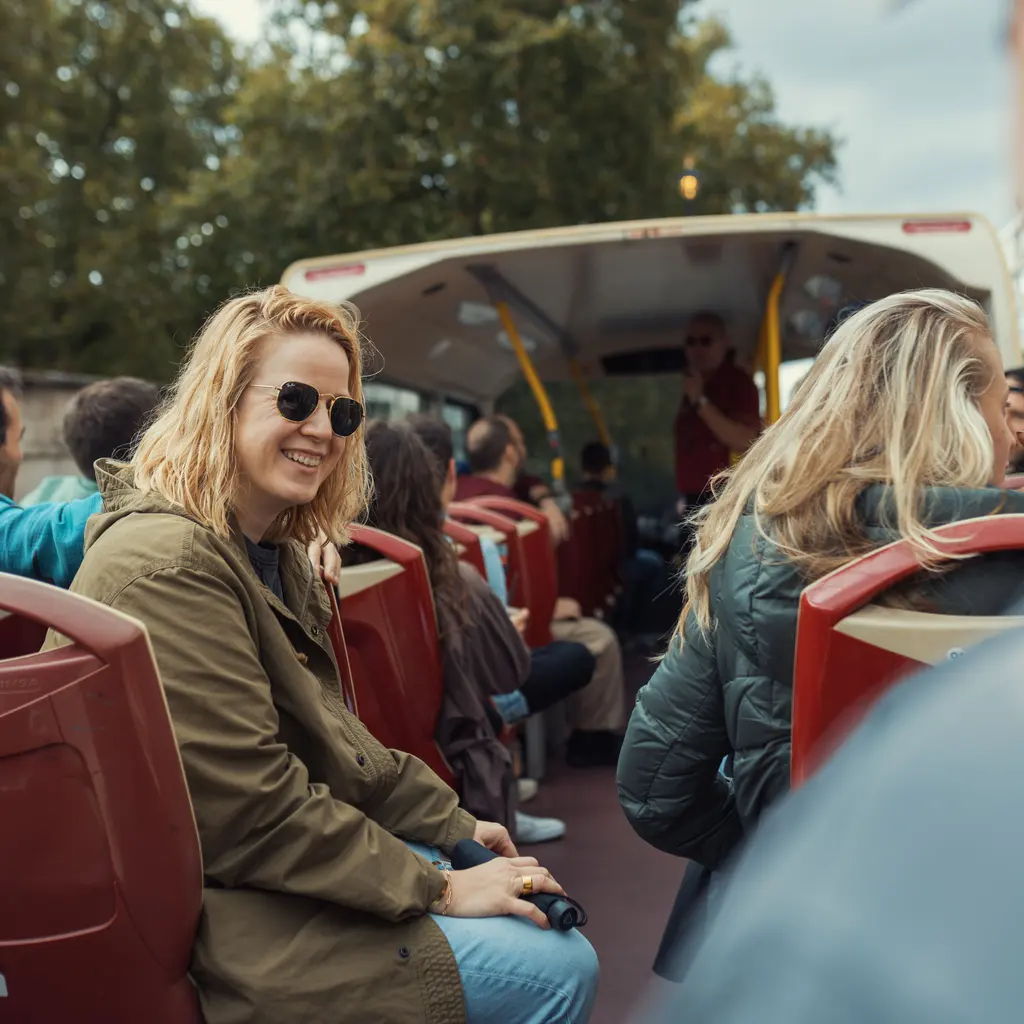
You give passengers city views from an upper deck, but a detour can bring unfamiliar branches or signs close to open-top seating. Stairs, curbside boarding and passenger movement add injury risks even when the bus is stopped.
The Southern Agency can review your tour routes, bus design, and boarding procedures to help you select appropriate insurance. We can help you clarify how auto-based coverage addresses your sightseeing vehicles while property insurance protects your depots and ticketing facilities.
Branches, signs, and bridges can endanger open-top riders. Route changes can introduce new clearances.
Passengers moving between decks or boarding at busy curbs can fall or be struck.
A collision or sudden maneuver can injure several passengers at once.
Specialized buses can take time to repair. Drivers, guides, and ground staff also face work injuries.
Policies to ask about. Which ones fit depends on your operations, your contracts, and the carrier’s forms.
These hypothetical examples are not agency claim results. Whether a loss is covered depends on the facts, policy terms, and applicable exclusions.
A passenger could be struck by a branch after a route detour and allege that the operator failed to check clearance. Passenger-auto terms may help with covered defense and damages only if actual open-top sightseeing use and the operator are accepted. The approved usual route does not alone establish acceptance or safety of every detour.
Braking contributes to a stair fall. Auto/passenger liability boundaries must be reviewed using the incident facts.
The bus is taken out of service. Mechanical repair, ensuing accident damage, and passenger assistance costs require separate coverage review.
Start with the work you do and the questions your current policies leave unanswered. Carrier options depend on your location, risk, and underwriting. Explore our approach.
Accepted commercial passenger auto is central, with limits and excess reviewed around capacity and route hazards.
Yes. Disclose overhead clearances, weather exposure, and upper-deck practices so the vehicle design is expressly accepted.
Covered liability claims may be addressed by the passenger auto form. Fault, insured parties, and exclusions still matter.
Routine mechanical failure is not automatically auto physical damage or ordinary equipment breakdown. Review specific vehicle terms.
Review employees by duties and jurisdiction, including guides and ground staff; contractor labels need separate analysis.
One event can injure many riders. Excess must accept open-top sightseeing and the underlying auto risks, not merely show a high limit.
Bring your questions, current policies, and relevant contracts. An agent can review coverage terms, exclusions, and the information carriers ask for, then explain the options available to you.