

Narrow streets and crowds
A large tour vehicle shares historic streets with pedestrians, parked cars, and special-event traffic.
Try a different word, or check the spelling.
Restoring a trolley's bodywork can take different parts and craftsmanship from repairing a standard passenger vehicle. Your tour policy needs the actual valuation and rubber-tired or rail-running design, with boarding, drivetrain wear, and depot property treated as separate questions.
The Southern Agency can review actual road or rail operation, custom restoration values, stop agreements, boarding duties and seasonal event routes.
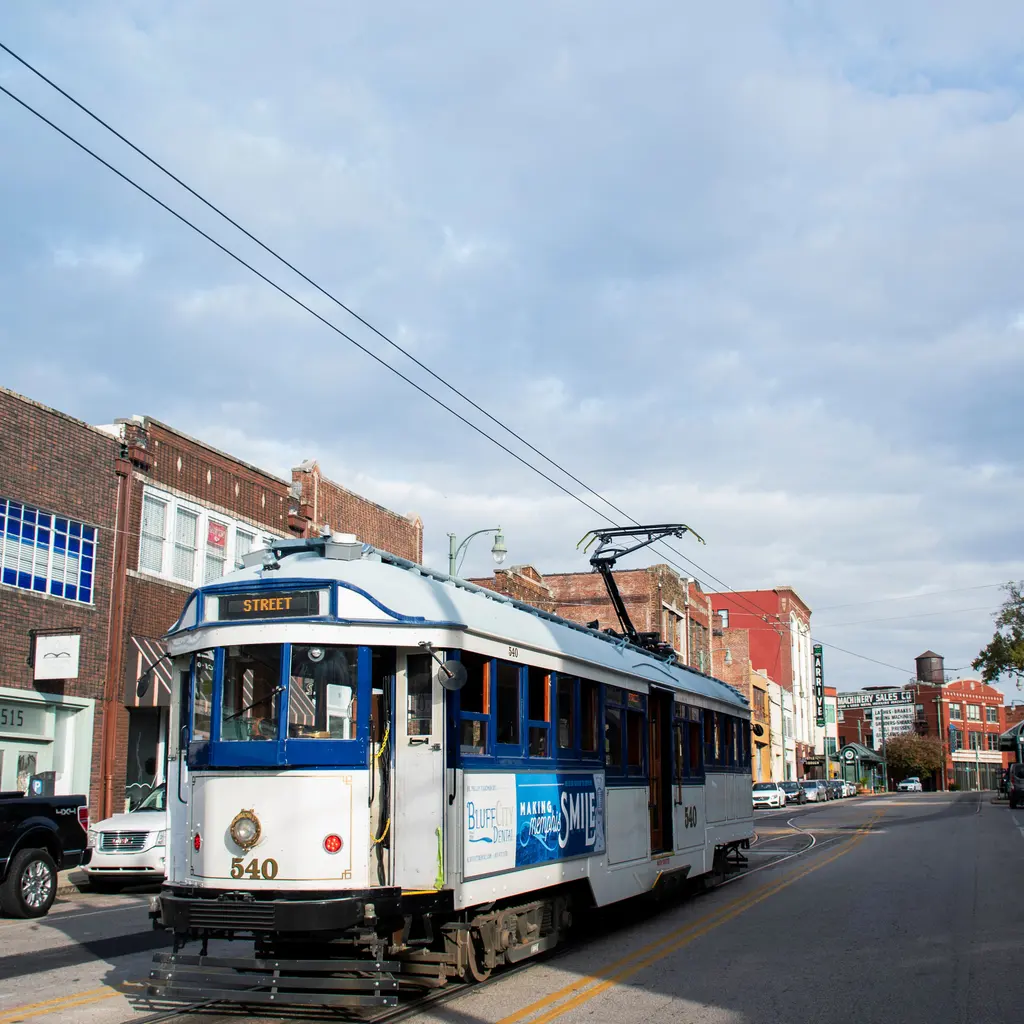
You conduct historic trolley tours using vintage or replica vehicles, often in busy city districts with high volumes of passenger boarding. Whether your trolley runs on tires or rails, the specialized bodywork and frequent passenger stops require dedicated insurance planning.
The Southern Agency can review your trolley design, route, and passenger-handling procedures to help you select appropriate insurance. We can help you determine the specific liability and property coverage needed for your road or rail-based tour operations.
A large tour vehicle shares historic streets with pedestrians, parked cars, and special-event traffic.
Guests can fall boarding or moving around a partially open vehicle.
Restoration parts and craftsmanship can take longer and cost more than standard vehicle repairs.
An older drivetrain can stop a tour. Guides and drivers face boarding-assistance and work injuries.
Policies to ask about. Which ones fit depends on your operations, your contracts, and the carrier’s forms.
These hypothetical examples are not agency claim results. Whether a loss is covered depends on the facts, policy terms, and applicable exclusions.
A passenger trips boarding the trolley. Auto and premises boundaries determine the covered liability.
A rubber-tired trolley could be struck at an intersection and need custom woodwork or body repairs. Accepted auto physical-damage terms may help with insured damage under the actual valuation, parts, limits and deductible. Stated amount is not necessarily agreed value; scarce-part delays, substitute tours and refunds require their own terms.
Passengers need alternative transport. Mechanical repair, lost bookings, and guest assistance are not automatically insured.
Start with the work you do and the questions your current policies leave unanswered. Carrier options depend on your location, risk, and underwriting. Explore our approach.
Review appraisals and the exact settlement clause. Agreed value and stated amount are not necessarily equivalent.
For a rubber-tired tour vehicle, accepted passenger auto is central. A rail-running vehicle needs a different specialist review.
They may be under auto or premises liability. Stationary position alone does not settle the loading/boarding boundary.
Ordinary wear and mechanical failure are not automatically insured. Review specific vehicle breakdown or ensuing-damage provisions.
Review actual employment and assistance duties under the applicable compensation rules.
Many passengers and nearby pedestrians can be affected in one incident. Excess must accept the actual vehicle and tour operation.
Bring your questions, current policies, and relevant contracts. An agent can review coverage terms, exclusions, and the information carriers ask for, then explain the options available to you.