

Horse reacts unexpectedly
Noise or crowds can prompt a bolt, kick, or bite affecting guests and bystanders.
Try a different word, or check the spelling.
Your horse, harness and custom carriage are different property interests even though they work as one tour. Equine and carriage liability need the public-road activity accepted, while animal health, equipment transit, and the motor vehicle hauling them require separate attention.
Show your actual street, park or wedding routes, horse ownership and care, handler duties, carriage values and motorized transport arrangements.
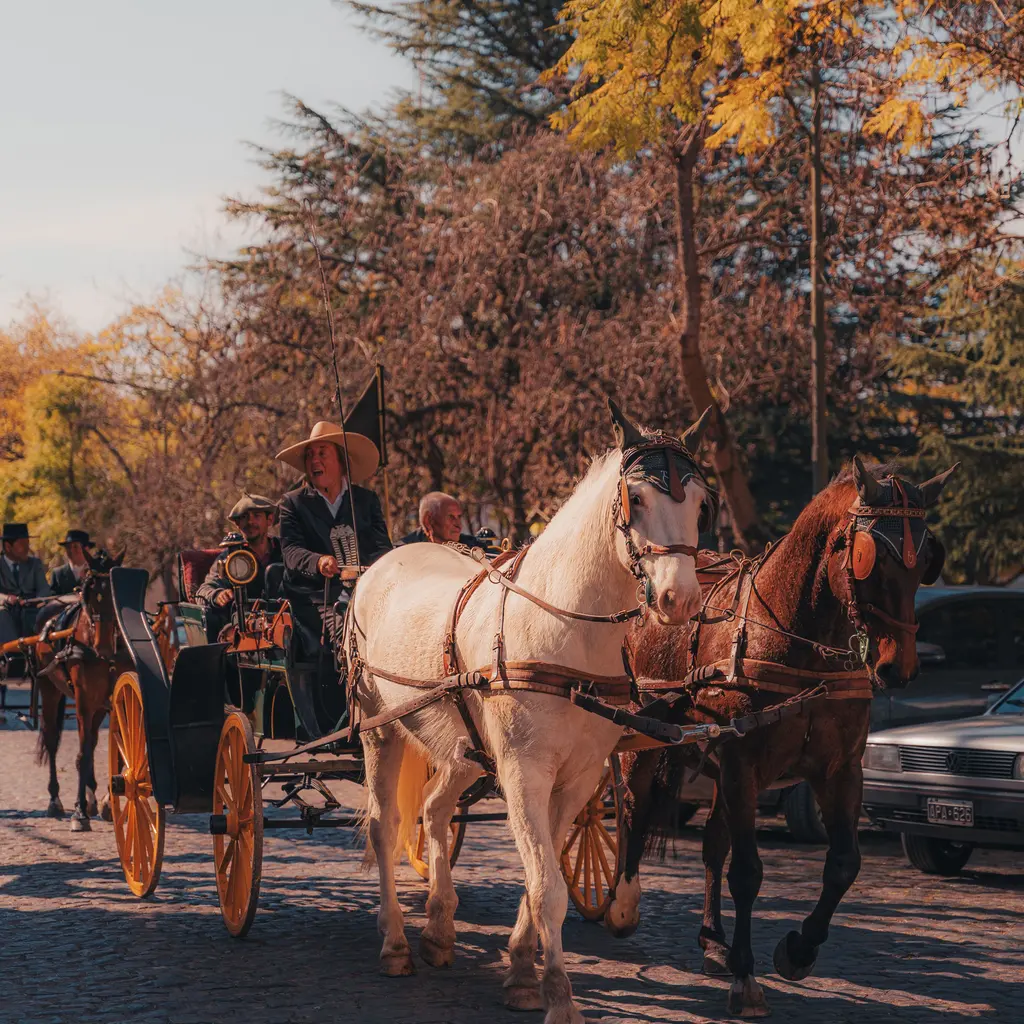
You operate tours where horses pull carriages through public spaces, but a startled animal or a passenger fall during boarding can result in serious claims. The unique combination of live animals, moving vehicles, and public road use creates specific insurance needs.
The Southern Agency can help you review your tour operations to select appropriate insurance for your carriage and crew. For example, we can assist in distinguishing between liability coverage for public road operations and property protection for your tack or harness.
Noise or crowds can prompt a bolt, kick, or bite affecting guests and bystanders.
A collision or sudden movement can injure passengers with limited physical protection.
Horses, tack, and custom carriages represent different property interests; an equipment policy does not insure animal health.
Harnessing and stable work create employee injury risks, while barns and stored feed face property losses.
Policies to ask about. Which ones fit depends on your operations, your contracts, and the carrier’s forms.
These hypothetical examples are not agency claim results. Whether a loss is covered depends on the facts, policy terms, and applicable exclusions.
A loud noise could startle a horse, causing the carriage to move suddenly and injure a bystander. Expressly accepted equine carriage liability may help with covered defense and damages, subject to actual road/ride duties and participant or animal exclusions. A permit or passenger waiver is not a substitute for that acceptance.
A guest is hurt dismounting. Ride and boarding liability must include that activity.
A passing vehicle could strike a custom carriage on the tour route. Scheduled equipment terms may help with insured carriage damage if the public-road use, cause and value are accepted. That grant does not automatically pay for an injured horse, passenger liability or every canceled booking.
Start with the work you do and the questions your current policies leave unanswered. Carrier options depend on your location, risk, and underwriting. Explore our approach.
Only when the form accepts the equine and carriage operation. Review animal, vehicle, and participant exclusions directly.
Schedule the equipment with appropriate values and off-site use. Public-road and transit terms can differ.
Animal mortality or medical protection requires separate specialist review; carriage and stable property cover do not automatically include it.
Covered ride or boarding allegations may be addressed by suitable equine liability, depending on facts and exclusions.
Review motorized hauling vehicles and trailer interests. Injury or loss to horses needs separate transport analysis.
An animal incident can injure several people. Excess must follow accepted equine risks and compatible primary terms.
Bring your questions, current policies, and relevant contracts. An agent can review coverage terms, exclusions, and the information carriers ask for, then explain the options available to you.