

Passenger hurt underway
A swell, fall or overboard incident can require rescue and lead to negligence allegations.
Try a different word, or check the spelling.
A short watching season can make a lost sailing date costly without making every cancellation an insured loss. Your excursion's marine terms should fit propulsion, passenger and crew duties, with shore facilities, rescue responsibilities, and vessel pollution distinguished from ordinary building or equipment cover.
Talk with The Southern Agency about your operation, policy terms, and the information carriers need.
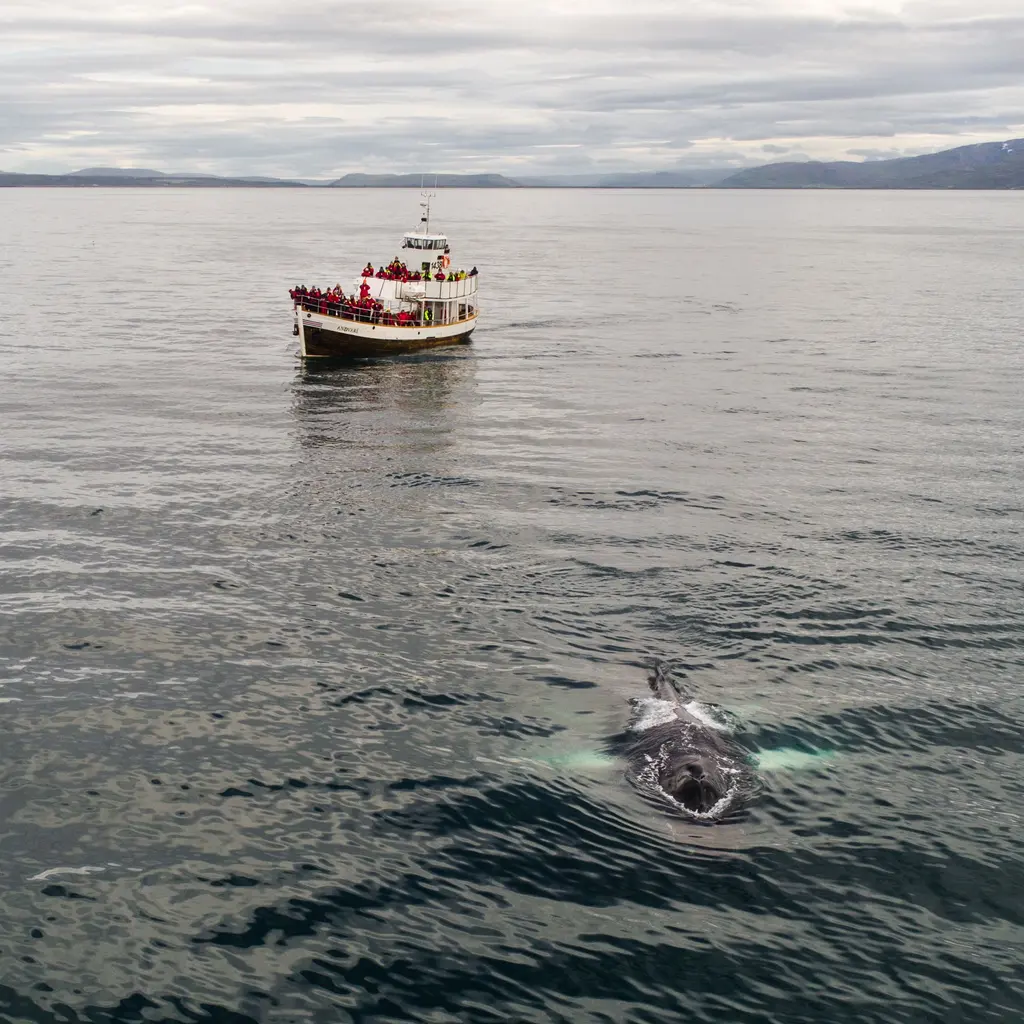
You lead whale-watching tours in varying sea conditions, but equipment failure or an injured passenger while out on the water can be difficult to manage. You need a coordinated insurance plan for your shore facilities, vessel and crew.
The Southern Agency can review your vessels, navigation area and passenger services alongside the facilities you use ashore. We can help you identify suitable marine hull, passenger and crew terms separately from ticket-office, pier and other shore interests.
A swell, fall or overboard incident can require rescue and lead to negligence allegations.
Engine, navigation or collision damage can strand guests and stop future sailings.
Crew injuries and vessel approaches involve maritime and wildlife rules specific to roles, species, and waters.
A spill can require waterway cleanup. Canceled trips can concentrate losses into a short earning season.
Policies to ask about. Which ones fit depends on your operations, your contracts, and the carrier’s forms.
These hypothetical examples are not agency claim results. Whether a loss is covered depends on the facts, policy terms, and applicable exclusions.
Passenger-vessel liability and negligence facts govern the claim; shoreside GL alone is not enough.
Marine machinery, towing/assistance, and income terms determine different costs.
Vessel pollution terms determine covered response and third-party costs.
Start with the work you do and the questions your current policies leave unanswered. Carrier options depend on your location, risk, and underwriting. Explore our approach.
Start with suitable hull and passenger/marine liability, then coordinate shoreside property, workers, pollution and income interests.
Declared navigation range, rescue access, and vessel conditions matter. Not every whale excursion operates offshore, and no automatic open-water grant is assumed.
Employer, duties and vessel connection matter. Naturalists are not all classified identically; obtain qualified maritime status review.
Only suitable marine machinery and selected assistance/income provisions should be relied on, not an ordinary building breakdown policy.
Accepted vessel pollution terms may address covered cleanup; substances, waters, reporting, and fines need review.
Use actual seasonal earnings and restoration periods. Normal weather closures, migration changes, and missed sightings are not automatically insured.
Bring your questions, current policies, and relevant contracts. An agent can review coverage terms, exclusions, and the information carriers ask for, then explain the options available to you.