

People near operating aircraft
Rotor wash, noise, and movement can injure passengers on the ramp. Being on the ground does not remove the aviation exposure.
Try a different word, or check the spelling.
A passenger walking across your ramp can be close to an operating helicopter, not just visiting a terminal. Check where aviation and premises liability meet before assuming ordinary ground coverage will respond.
Talk with The Southern Agency about your operation, policy terms, and the information carriers need.
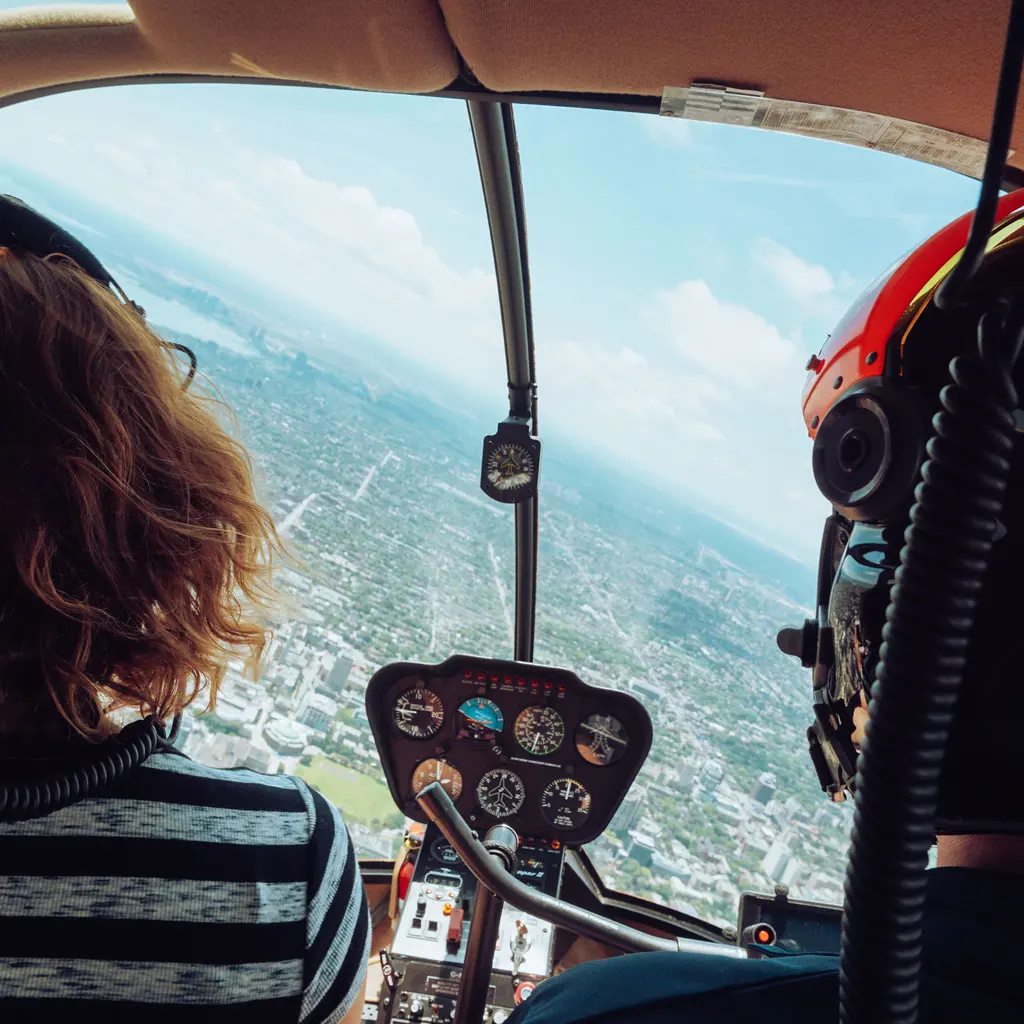
You move passengers from check-in to the helicopter while coordinating pilots, ramp crews and ground facilities. A boarding injury can still be an aviation-related claim, while a fuel spill or terminal fire involves different insured interests.
The Southern Agency can review your commercial ground exposures alongside any existing aviation policies. Flight and hull terms require specialist aviation review; ordinary terminal or general liability coverage should not be treated as a substitute.
Rotor wash, noise, and movement can injure passengers on the ramp. Being on the ground does not remove the aviation exposure.
A terminal, hangar and support equipment can suffer fire or storm damage independently of the aircraft.
Storage or dispensing can contaminate a pad, drain, or neighboring property.
Pilots, ramp workers, and office staff face different duties; booking systems hold deposits and customer data.
Policies to ask about. Which ones fit depends on your operations, your contracts, and the carrier’s forms.
These hypothetical examples are not agency claim results. Whether a loss is covered depends on the facts, policy terms, and applicable exclusions.
Rotor wash contributes to a passenger's fall while approaching the helicopter. Suitable aviation or premises liability may address a covered injury claim, depending on accepted operations and the actual event. The ramp location does not by itself make ordinary GL respond; compare insured entities and aviation exclusions.
A fueling error allows fuel into a drain and neighboring property. Accepted environmental terms may address covered cleanup or third-party claims. Identify the fuel operator, locations, substance, release and reporting conditions; routine maintenance or every contractual cleanup promise is not automatically the same insured expense.
A reservation-system incident exposes customer payment records. Cyber terms may address covered investigation, required notification or privacy claims involving accepted systems and retained vendor responsibilities. Review actual information and response conditions; deposit theft, fraudulent refunds and processor demands need their own terms.
Start with the work you do and the questions your current policies leave unanswered. Carrier options depend on your location, risk, and underwriting. Explore our approach.
Aircraft hull and flight liability require suitable specialist aviation protection; ordinary commercial property and GL are not substitutes.
Review residual premises duties and aviation exclusions together. Ground location alone does not prove either a gap or coverage.
Yes. Identify fuel storage, dispensing, and cleanup responsibilities; ordinary property or GL may exclude the resulting contamination.
Routine weather refunds and rescheduling are generally business obligations unless specific protection says otherwise.
Review applicable employee protection and disclose aviation or ramp duties. Employment status and jurisdiction determine obligations.
Covered breaches may trigger response and liability terms. Review customer information, vendor access, and payment responsibilities.
Bring your questions, current policies, and relevant contracts. An agent can review coverage terms, exclusions, and the information carriers ask for, then explain the options available to you.