

Cleanup worsens contamination
Excavation, vapor release, or failed containment can affect previously clean areas.
Try a different word, or check the spelling.
A clearance report can be challenged after your crews have left the site. Match that technical work and any completed-operation liability to the actual form, rather than assuming pollution insurance guarantees a clean-site result.
The Southern Agency can help review the work you perform, the technical decisions you accept and where responsibility passes to haulers or disposal facilities.
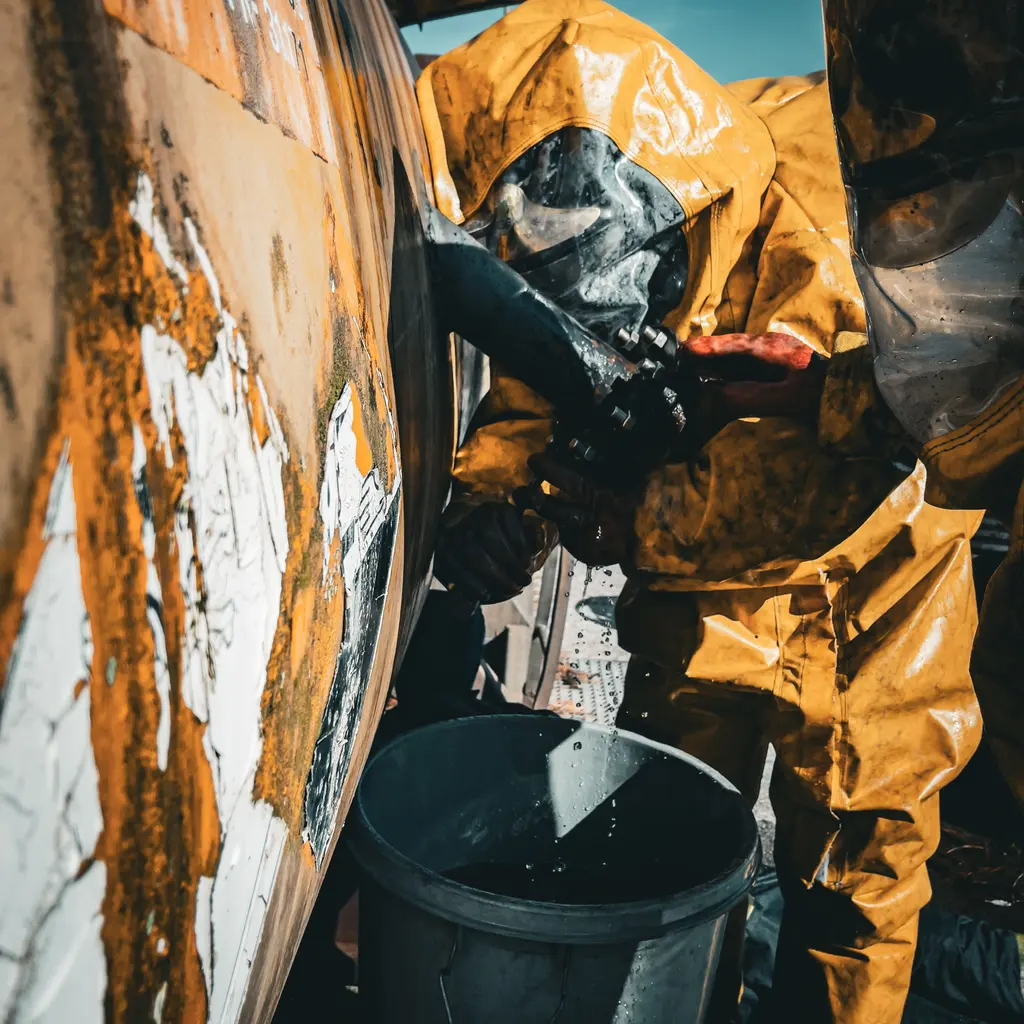
You perform emergency spill response, excavation, and contamination abatement at customer sites. If containment fails or your cleanup methods are later challenged, you could face pollution or professional liability claims.
The Southern Agency can review your field methods, equipment needs, and technical project responsibilities to help you select appropriate insurance. We can assist in addressing the distinction between physical cleanup liability and professional technical-service claims.
Excavation, vapor release, or failed containment can affect previously clean areas.
Clients may dispute a method, assessment, or clearance that the contractor actually provided.
Substances, confined spaces, and equipment create injury and occupational risks.
Recovered waste can escape in transit; remediation can damage structures or utilities beyond the work area.
Policies to ask about. Which ones fit depends on your operations, your contracts, and the carrier’s forms.
These hypothetical examples are not agency claim results. Whether a loss is covered depends on the facts, policy terms, and applicable exclusions.
Excavation moves contaminated soil into a previously clean drainage area and a neighbor demands investigation and cleanup. Review the declared substance, accepted excavation and pollution triggers, plus any completed-work or site boundary conditions. The original contracted cleanup, added third-party damage and faulty-work correction are not automatically the same insured cost.
After you issue a clearance report, the owner alleges your sampling missed remaining contamination. Check whether that technical service, insured professional and claim/reporting dates fit the actual form, including environmental/faulty-work exclusions. Defense, resampling, re-excavation and a promised clean result are not automatically one covered loss.
A truck carrying recovered material leaks while traveling to a disposal facility, damaging a roadside property. Identify who is hauling, who owns the material and which auto, transit-pollution and disposal interests are actually insured. Acceptance of the cleanup contract does not establish pollution cover for the trip or receiving site.
Start with the work you do and the questions your current policies leave unanswered. Carrier options depend on your location, risk, and underwriting. Explore our approach.
Pollution exclusions can restrict the very contamination the contractor handles. Suitable contractor pollution should match its services and substances.
It depends on duties. Method selection, assessment and clearance can create professional exposure even when the business also provides field labor.
Check that the actual form accepts your pumps, vacuums or instruments at temporary sites, whether protection is scheduled or uses broader accepted locations. Causes of loss, contamination/decontamination costs and site restrictions still need review.
They may, but each contract differs. Insurance and any bond need separate acceptance; no capacity is promised.
Only appropriate transit-pollution and auto terms should be relied on. Cargo ownership and disposal interests are separate.
Substances, services, technical responsibility, project size, crews, equipment, and losses inform underwriting.
Bring your questions, current policies, and relevant contracts. An agent can review coverage terms, exclusions, and the information carriers ask for, then explain the options available to you.