

Route vehicle strikes someone
Frequent stops and reversing near parked cars and pedestrians create road liability.
Try a different word, or check the spelling.
Setting a container in a customer's driveway involves a different responsibility from driving it there. Your collection insurance should reflect placement, lift, and loading work, with truck-mounted machinery and unexpected loads reviewed rather than assumed covered by yard property or building-breakdown terms.
The Southern Agency can review your collection routes and container work alongside mounted-equipment, crew and unexpected-load insurance terms.
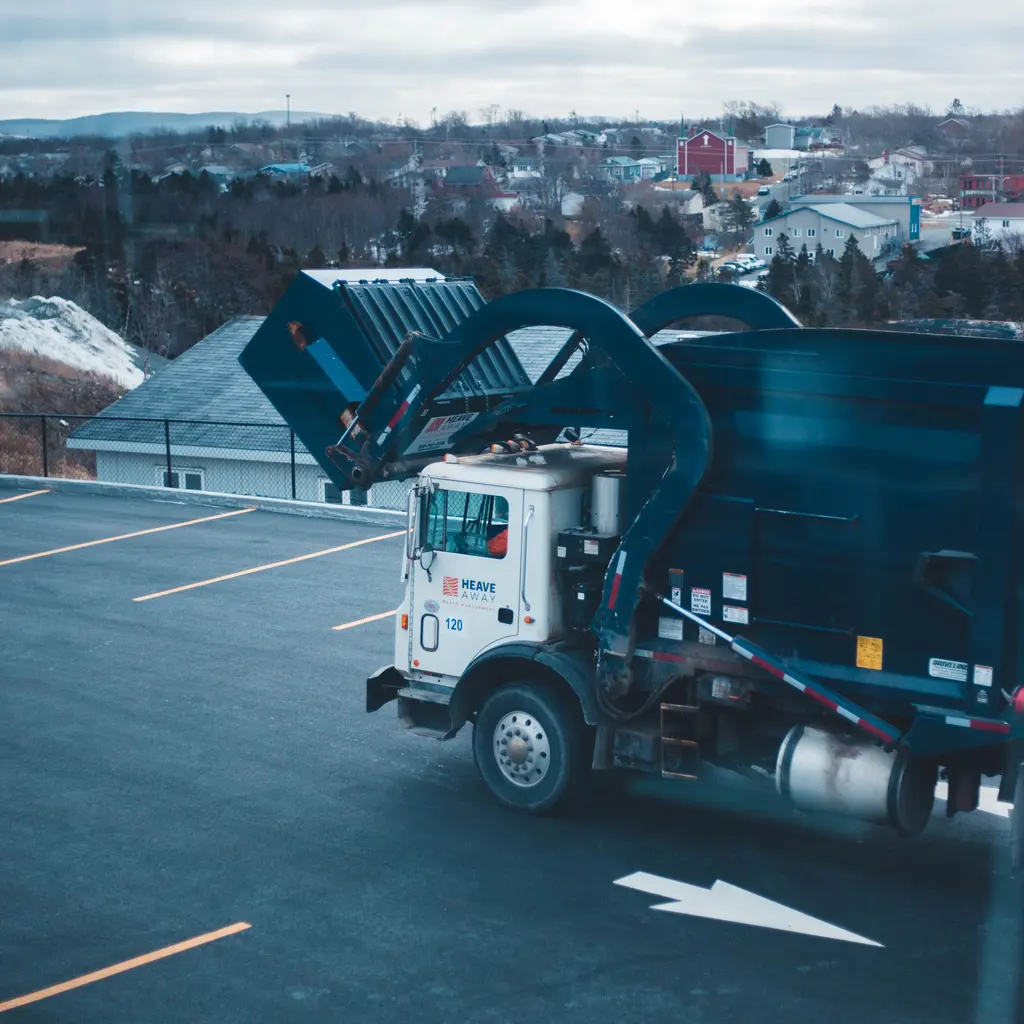
You manage routes to collect and transport waste, keeping your crews working around busy trucks and heavy lifting gear. A backing collision or an unexpected hot or leaking load can disrupt your schedule and trigger a claim.
The Southern Agency can review your collection routes, loading work and service agreements to help compare insurance. We can look at road liability alongside crew injuries, unexpected-load releases and machinery terms, rather than treating the operation as just a truck fleet or yard.
Frequent stops and reversing near parked cars and pedestrians create road liability.
Carts, containers and moving equipment can cause lifting, caught-in, and struck-by injuries.
Hot ash, batteries, or chemicals can ignite or leak during collection and unloading.
Placement can damage a driveway or building; packer failure can interrupt contracted service.
Policies to ask about. Which ones fit depends on your operations, your contracts, and the carrier’s forms.
These hypothetical examples are not agency claim results. Whether a loss is covered depends on the facts, policy terms, and applicable exclusions.
A collection truck reverses into a parked car during a route, and the owner seeks repairs. Auto liability may help defend and settle a covered claim involving the insured vehicle and use. Repairing the collection truck, if damaged, depends on its purchased physical-damage terms.
Hot material ignites inside a packer during collection, damaging the truck and prompting emergency response. Truck physical damage may help with a covered vehicle loss; response or cleanup needs the applicable pollution or other expense terms. Identify the load, cause, location and release, including any hazardous-material restrictions.
A roll-off container cracks a customer's driveway during placement, and the customer seeks repairs. The auto/loading and GL definitions determine which form may address covered defense and damages. Describe how the truck, hoist and container were operating, then review property-being-worked-on and custody exclusions.
Start with the work you do and the questions your current policies leave unanswered. Carrier options depend on your location, risk, and underwriting. Explore our approach.
Collection trucks repeatedly stop and reverse around people and property. Review the actual routes, vehicles and mounted-equipment use so road claims and loading incidents are assessed under the appropriate terms.
Not automatically. Truck fire damage, emergency response, and pollution have different triggers and material restrictions.
They can request limits and allocate duties, but actual forms and endorsements must independently fit them.
Auto/loading and GL boundaries depend on the incident and policy. Container damage is not always a GL claim.
Applicable compensation/employer terms govern employee injuries, with collection and mounted-equipment duties disclosed.
Fleet, routes, drivers, waste, services, contracts, controls, and losses inform underwriting; no standard rate is implied.
Bring your questions, current policies, and relevant contracts. An agent can review coverage terms, exclusions, and the information carriers ask for, then explain the options available to you.