

Contaminants move during work
Excavation, dust or treatment can affect clean soil, air or groundwater.
Try a different word, or check the spelling.
An excavator moving soil and a specialist signing a verification can contribute to the same project under different duties. Your remediation insurance should distinguish actual field, design, and closure work, including transport and disposal-site interests, without treating a result guarantee or pure rework as automatically covered.
The Southern Agency can compare your field and technical duties with proposed pollution and professional terms, alongside hauling, equipment and project requirements.
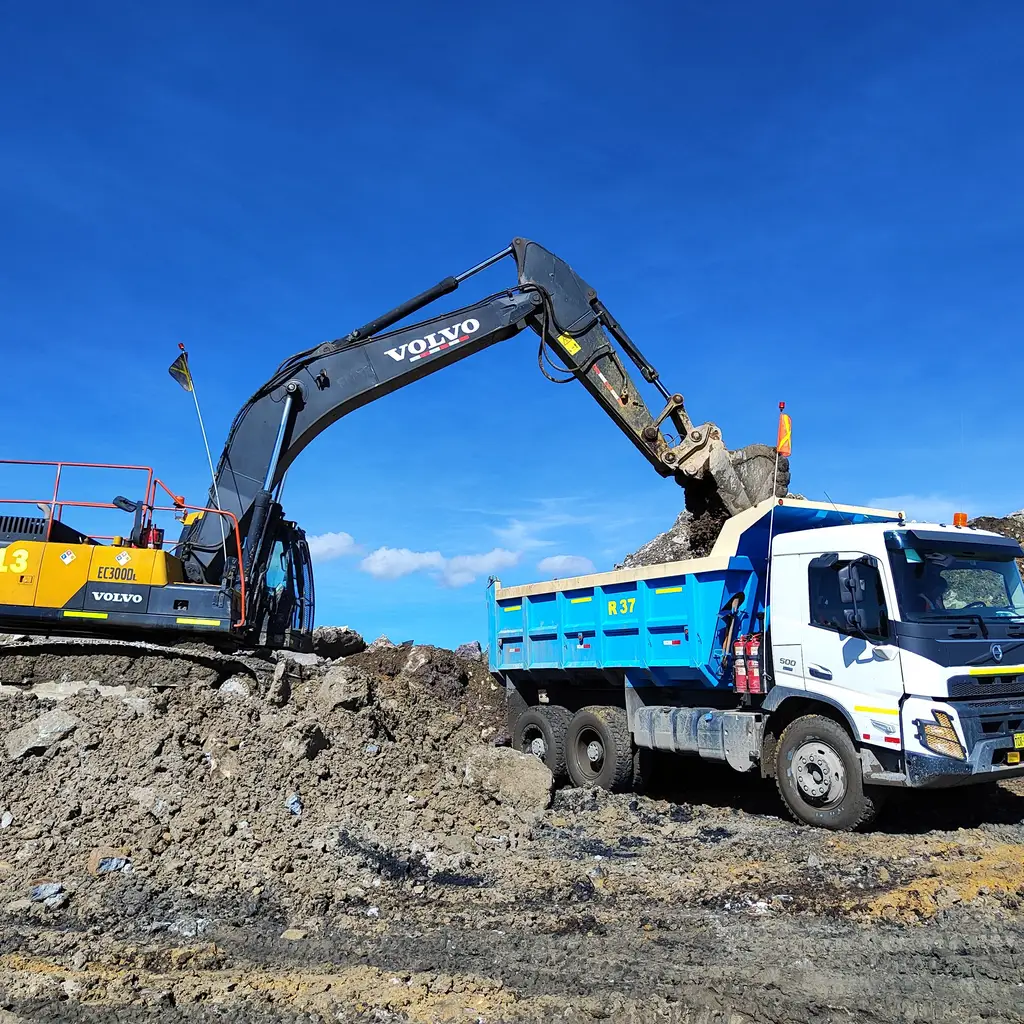
You excavate, treat or remove contaminated soil and may also design the work or verify its results. Material moved into a clean area and a disputed closure report can raise different claims, even on the same project.
The Southern Agency can review your remediation methods, design responsibilities, and site equipment to help you select appropriate insurance. We can assist in coordinating protection for both your physical earthmoving operations and your professional technical decisions.
Excavation, dust or treatment can affect clean soil, air or groundwater.
Design and closure opinions can lead to professional allegations where those services are performed.
Material can escape during transport or create later disposal-site allegations.
Utilities, neighboring structures, and crews face excavation and equipment hazards.
Policies to ask about. Which ones fit depends on your operations, your contracts, and the carrier’s forms.
These hypothetical examples are not agency claim results. Whether a loss is covered depends on the facts, policy terms, and applicable exclusions.
Excavation dust carries contaminants onto a neighboring clean area, and the owner demands testing and cleanup. Contractor-pollution terms may help with covered investigation, cleanup or liability if the work, substance and release fit. Compare existing-condition and third-party provisions, keeping this added cleanup separate from completing the original remediation plan.
An owner alleges a verification report overstated cleanup results and demands further work. Professional terms may help with covered defense and damages if the firm performed the insured technical duty. Compare the allegation and requested work with claim/reporting dates, pollution and rework exclusions and any result guarantee.
A hauling truck loses contaminated soil onto a roadside, and the remediation firm receives a cleanup demand. Applicable transit-pollution terms may help with covered release costs. Review the hauler's and firm's roles alongside auto protection, the material, route and assumed duties; the load's own value is a separate interest.
Start with the work you do and the questions your current policies leave unanswered. Carrier options depend on your location, risk, and underwriting. Explore our approach.
Pollution spread and professional errors are different allegations. Both forms must accept actual methods and services and coordinate exclusions.
Do not rely on it alone. Pollution, underground, and work-area restrictions can exclude core remediation interests.
Suitable professional terms may address covered allegations, but guarantees, faulty-work correction, timing, and pollution exclusions matter.
Appropriate transport protection should address releases and destinations. Insuring a load does not automatically insure cleanup.
They may, depending on the contract. Bonding capacity and liability acceptance remain separate, with no approval promised.
Contaminants, methods, technical scope, volumes, equipment, transport, and losses inform underwriting.
Bring your questions, current policies, and relevant contracts. An agent can review coverage terms, exclusions, and the information carriers ask for, then explain the options available to you.