

Fire spreads through stored material
Combustible bales and unexpected batteries or hot loads can damage stock and equipment.
Try a different word, or check the spelling.
A fire in stored bales can also stop the sorting line that keeps material moving. Review your peak stock values and the income at risk while damaged equipment is repaired.
Talk with The Southern Agency about your operation, policy terms, and the information carriers need.
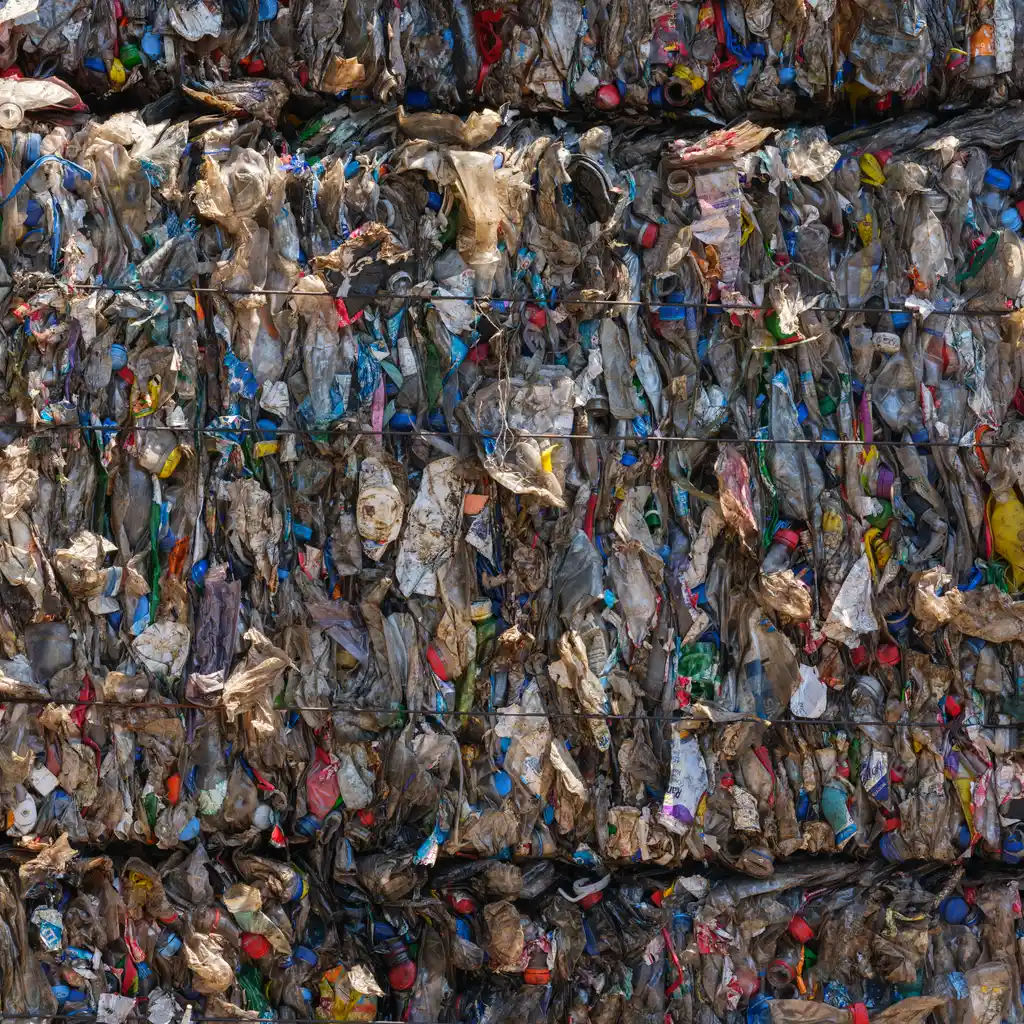
You operate sorting lines and baling equipment to process recovered paper, plastic, and metal before shipping it to buyers. A hidden battery in an incoming load can spark a fire in your inventory, or a mechanical failure in a baler can halt your entire facility's production.
The Southern Agency can review your sorting processes, facility equipment, and public drop-off activities to help you select appropriate insurance. We can discuss how to protect your infrastructure from fire and equipment breakdown while managing liability for visitors.
Combustible bales and unexpected batteries or hot loads can damage stock and equipment.
A conveyor, sorter or baler can stop intake and shipments.
Haulers, public visitors, and moving equipment create collision and injury allegations.
Contaminated loads create disposal costs, while commodity values change inventory exposure.
Policies to ask about. Which ones fit depends on your operations, your contracts, and the carrier’s forms.
These hypothetical examples are not agency claim results. Whether a loss is covered depends on the facts, policy terms, and applicable exclusions.
A battery hidden in an incoming load ignites nearby paper bales and damages the sorting area. Property coverage may address insured stock and machinery damaged by the fire. Review the material declarations, fire conditions and valuation of recovered inventory.
A hydraulic failure stops the baler and shipments back up. Equipment breakdown may address a qualifying failure, with lost earnings considered under any linked income coverage. Wear, routine maintenance and ordinary jam clearing are different costs.
A visitor is struck by moving equipment at the public drop-off area. General liability may address a covered injury claim if public access and the activity are included. Review vehicle-related exclusions and responsibility for directing site traffic.
Start with the work you do and the questions your current policies leave unanswered. Carrier options depend on your location, risk, and underwriting. Explore our approach.
Combustible bales and unexpected ignition sources in incoming loads can spread damage to sorting equipment and stored stock. Describe the materials you accept, stock concentrations and intake and fire controls when discussing property and income coverage.
Only covered interests and causes qualify, with valuation and peak limits reviewed. Market decline alone is not insured damage.
Qualifying breakdown and linked income may help; wear, maintenance, and every missed shipment are not automatically included.
Yes, if offered. Review visitor/vehicle separation and liability scope rather than assuming all sites accept public access.
Dust, runoff, and contaminated loads can fall within ordinary pollution exclusions. Suitable environmental scope depends on operations.
Materials, stock peaks, machinery, fire controls, public access, fleet, and loss history inform underwriting.
Bring your questions, current policies, and relevant contracts. An agent can review coverage terms, exclusions, and the information carriers ask for, then explain the options available to you.