

Leachate migrates
Contaminants can move gradually through soil or groundwater, potentially involving historic conditions.
Try a different word, or check the spelling.
A newly acquired cell can bring a history your current liability limit does not address. Review declared site conditions and coverage dates alongside active operations, with routine closure funding kept separate from insured pollution response.
Talk with The Southern Agency about your operation, policy terms, and the information carriers need.
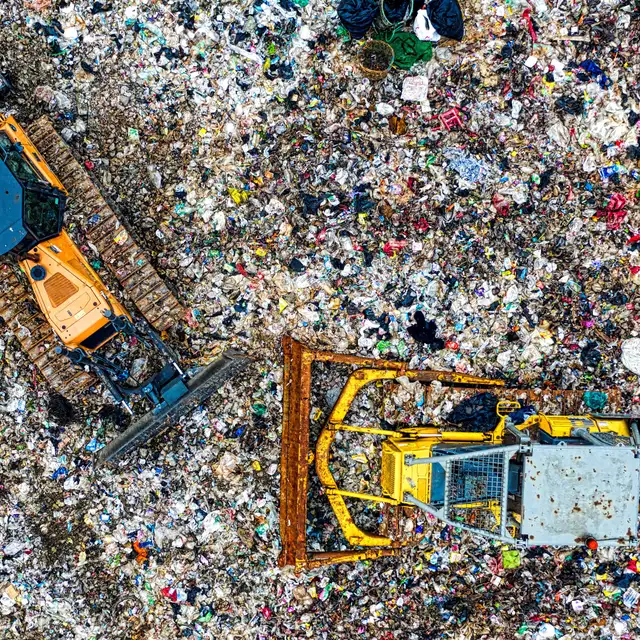
You maintain disposal cells, leachate systems, and gas-collection infrastructure for landfill operations. A leak or gas migration can impact nearby properties, and heavy equipment operation presents ongoing injury risks to your staff and visitors.
The Southern Agency can review your site monitoring, closure plans, and equipment maintenance to help you select appropriate insurance. We can help you manage coverage for ongoing site operations while considering long-term environmental and closure-related obligations.
Contaminants can move gradually through soil or groundwater, potentially involving historic conditions.
Methane migration or accumulation can create fire, injury, and response costs.
Compactors and dozers operate near haulers and sometimes public vehicles.
Pumps, blowers and scales can stop functioning, affecting operations and environmental controls.
Policies to ask about. Which ones fit depends on your operations, your contracts, and the carrier’s forms.
These hypothetical examples are not agency claim results. Whether a loss is covered depends on the facts, policy terms, and applicable exclusions.
Routine monitoring finds leachate moving beyond a declared cell. Environmental terms may address covered investigation, cleanup or third-party claims if the condition and historical period are accepted. Prior knowledge, discovery/reporting dates and covered locations matter; the regular monitoring bill is not automatically an insured response expense.
Gas migration prompts a neighboring owner to seek investigation and protective work. Suitable environmental terms may address covered response or third-party claims for an accepted release. Confirm affected locations and authorized costs; routine gas-system maintenance and every preventive improvement are not automatically the same insured expense.
A compactor hits a visiting hauler's truck at the working face. Appropriate liability terms may address covered third-party damage, depending on the incident, negligence, equipment/auto classifications and employer relationships. Repairing the operator's compactor and paying employee injury benefits involve separate insured interests.
Start with the work you do and the questions your current policies leave unanswered. Carrier options depend on your location, risk, and underwriting. Explore our approach.
Only where suitable terms accept the release, historical period, and condition. Current limits do not prove old contamination is covered.
Property and environmental forms address different damage and response interests. Gas-system duties and exclusions need specific review.
Identify the actual permit and funding requirements. Routine closure/care costs and insured accidental liability are separate.
Qualifying breakdown may help, but wear, maintenance, and liner/cell work require distinct review.
Yes, where allowed. Separate public/hauler claims from employee injury and the operator's mobile equipment duties.
Waste, cell/site history, controls, equipment, public access, long-term duties, and losses inform underwriting.
Bring your questions, current policies, and relevant contracts. An agent can review coverage terms, exclusions, and the information carriers ask for, then explain the options available to you.