Skip to content

Beer And Ale Distributor Insurance

Stale flavor, damaged cases and dangerous contamination are not the same problem for the beer you deliver. Stock and liquor protection should fit the actual condition and your distribution or sampling role, with cooler repair, spoilage and withdrawal costs reviewed separately.

The Southern Agency can help you protect your inventory and distribution network from storage failures and road-related risks.

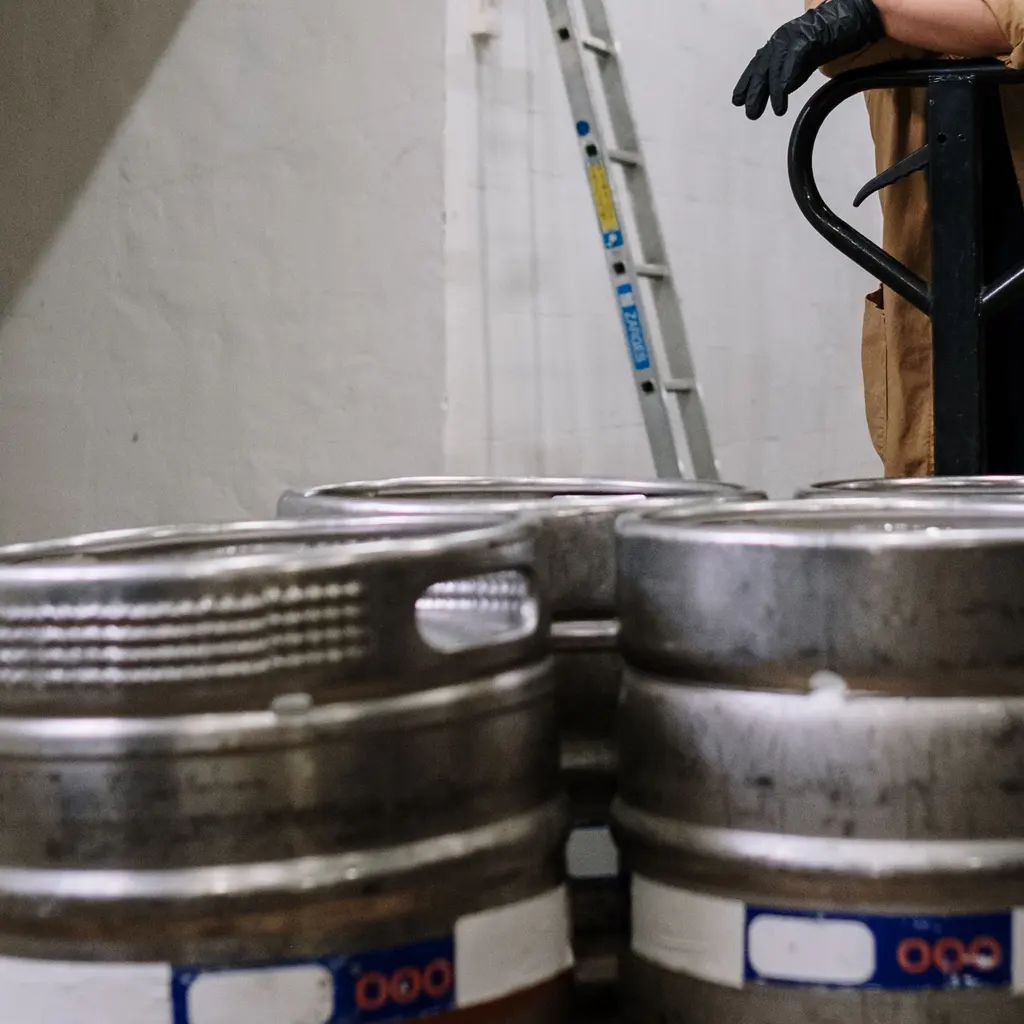
Metal beer kegs and a pallet jack in a brewery storage aisle.

Industry overview

You distribute brewery products, managing storage in coolers and delivery routes that require heavy lifting and frequent stops. Equipment failure or an accident while moving inventory can spoil your stock and lead to liability claims.

The Southern Agency can review your storage and delivery processes to help you select appropriate insurance, such as cargo coverage for your inventory or liquor liability for alcohol-related exposures.

Risks worth discussing

Liquor liability exposure

Allegations may concern the sale, distribution or furnishing of alcohol. Actual activities, jurisdictions and policy terms matter; wholesale supply and any serving or sampling should be disclosed rather than treated as identical risks.

Route delivery accidents

Repeated stops and backing at bars, restaurants and store docks can damage other vehicles or injure people. Identify drivers, road and dock duties and actual handling equipment; the truck, load and liability to others are different interests.

Driver and warehouse injuries

Lifting kegs, stacking cases and moving loads can strain backs or shoulders or cause crush injuries. Describe route, warehouse, loading and any service duties, employers, and work states.

Cargo damage and theft

Breakage, handling damage or theft can affect beer at loading, on the route or during delivery. Identify the owner and insured goods interest, including stock carried in your own trucks, and the actual stage and cause.

Cooler and refrigeration breakdown

A cooler or HVAC failure can upset the conditions required for particular stock. Keep cause, temperature, duration, and product-condition evidence; machine repair, spoilage, and purchased income have separate grants and limits.

Product spoilage and contamination

Heat, freezing, aging, damaged packaging, and contamination are not interchangeable. Stale flavor can make beer unacceptable without establishing dangerous contamination. Separate the actual stock condition from refunds, withdrawal expenses, and any resulting consumer injury claim.

Account and payment data exposure

Ordering and route-accounting incidents may expose retailer account or payment records. Compare eligible response and privacy or security liability with actual data and providers; missing payments and every contractual confidentiality duty are separate questions.

Situations to think through

These hypothetical examples are not agency claim results. Whether a loss is covered depends on the facts, policy terms, and applicable exclusions.

  1. Hypothetical: Route truck dock collision

    A delivery truck strikes a parked vehicle while backing into a bar's loading area. Auto liability may help defend the resulting claim and pay covered damage to the other vehicle if the driver, truck, and use are included. Repair to the delivery truck and damage to its beer load require separate physical-damage and goods terms.

  2. Hypothetical: Cooler failure spoils inventory

    A warehouse cooler fails over a weekend and stored beer becomes unacceptable for sale. If the cause is an included breakdown and the purchased spoilage grant includes that stock, equipment-breakdown terms may help pay eligible machine repair and beer loss. Establish the failure and actual product condition; ordinary aging, a utility event, and a quality guarantee need separate review, not presumed payment under warehouse property.

  3. Hypothetical: Driver injured lifting kegs

    A route driver injures their back lifting kegs during delivery. Workers' compensation may help pay qualifying medical and wage benefits under the applicable state and policy rules. Record the lifting task, employer, worker status, and location for claim reporting.

Before you talk to an agent

What to have ready

Tick items as you gather them. Nothing here is saved or sent.

Questions to raise

  • Describe actual alcohol distribution and any serving, sampling or draught-service work. Compare the jurisdiction and activity with the liquor and GL terms, separately from permits and contract requests.
  • Map routes, trucks, drivers, stops, loading equipment, and customer docks. Compare auto liability and selected truck damage with actual contracts and claims rather than set limits from route count alone.
  • Trace stock ownership and risk transfer from brewery receipt to retailer delivery. Compare peak cargo and warehouse values, breakage/theft, included owned goods, and any temperature-loss terms.
  • Bring brewer-specific storage, freshness, and rotation instructions, cooler capacity, monitoring, and repair records. Compare machine cause, insured beer spoilage, utilities, and purchased income with separate limits and time terms.
  • Describe driver, warehouse and any service duties, payroll, employers, and work states for worker classification and requirement review. Safety controls do not establish eligibility, a premium discount or claim payment.

Contract terms to check

  • Bring actual brewery/supplier, retailer, warehouse/lease, and finance agreements, including product indemnities, insured-status requests and limits. Identify any importer or own-label seller role. A brewer's insurance or indemnity is not proof the distributor's own liability is covered.
  • Allocate storage conditions, freshness/date-code expectations, stock rotation, returns, recall or withdrawal duties, carrier responsibility, and delivery acceptance. Compare owned/consigned goods and risk transfer with the actual cargo and stock terms; a return or buy-back promise is not an insured spoilage grant.
  • Confirm applicable wholesale permits and state/local requirements with regulators and qualified advisers, including actual sampling or service activities. TTB operating-permit guidance does not establish a universal liquor-insurance requirement, and insurance does not grant permission or certify compliance.
  • Document site, vehicle, worker and provider responsibilities, incident reporting, and changed payment instructions. Compare purchased stock, response and income benefits with covered triggers, consent, limits, and time terms; ordinary missed sales or a supplier shortage is not proved insured by a delivery contract.

What the agent conversation looks like

Start with the work you do and the questions your current policies leave unanswered. Carrier options depend on your location, risk, and underwriting. Explore our approach.

  1. ListenReview your operations, current coverage, and past claims.
  2. AssessIdentify potential hazards and discuss ways to reduce risk.
  3. BuildDiscuss policy and carrier options, premium costs, and audits.
  4. SupportReview changes and help you plan ahead as your needs develop.

Questions owners ask

Do beer distributors really need liquor liability?

A GL liquor exclusion can restrict claims arising from the alcohol business. Compare actual wholesale activities and jurisdictions with that exclusion and any offered liquor grant. Describe serving or sampling if performed rather than assume a retail-bar form fits distribution. Verify actual insurance requirements separately from operating permits and the coverage offered.

What covers my delivery trucks and cargo?

Included auto liability may help with covered claims involving the truck; selected physical damage addresses eligible truck repair. Beer loads need an included goods interest and transit/handling terms, including owned stock where relevant. Cargo theft, breakage and refrigeration losses have their own conditions rather than follow from vehicle insurance.

Is spoiled beer from a cooler failure covered?

Possibly, if the actual cause, equipment and stock meet the purchased breakdown and spoilage terms. Establish brewer requirements, time/temperature evidence and the beer's condition. Machine repair, spoilage, utilities, and income have separate limits and triggers. Natural aging or a customer's quality rejection alone does not prove an insured accident, dangerous contamination or covered refund.

Why is workers' compensation important here?

Keg lifting, case stacking, loading and driving can cause work injuries. Workers' compensation may pay qualifying medical and wage benefits under applicable state rules. Review employers, worker status, duties, payroll, and work states; the products carried do not create a universal requirement or establish every injury covered.

Does handling retailer payment data add risk?

An ordering, route-accounting or provider incident can create investigation, response, and privacy or security claims involving retailer records. Purchased cyber terms may help with included events and expenses, subject to response and reporting conditions. Missing payments, every outage and contractual confidentiality promises are separate questions.

What drives my premium most?

Describe routes and trucks, driver records, and controls, keg versus packaged mix, cooler capacity and stored values, actual alcohol activities and requested limits, licensing, peak cargo, and claims history. The insurer assesses those details together with the terms requested; safety controls do not guarantee a price reduction.

Talk through your beer and ale distributor coverage

Bring your questions, current policies, and relevant contracts. An agent can review coverage terms, exclusions, and the information carriers ask for, then explain the options available to you.

How can we help you get started?

Choose the quote that fits, and we’ll take it from there.

Have a question? Contact us