

One event affects several zones
Fire or power loss can damage different stock categories under different terms.
Try a different word, or check the spelling.
Overflow stock can sit outside the usual warehouse schedule while your orders still depend on several temperature zones. Grocery insurance should reflect those locations and mixed-load conditions, without assuming the commercial package includes every recall, delivery, cargo, or account-system loss.
Talk with The Southern Agency about your operation, policy terms, and the information carriers need.
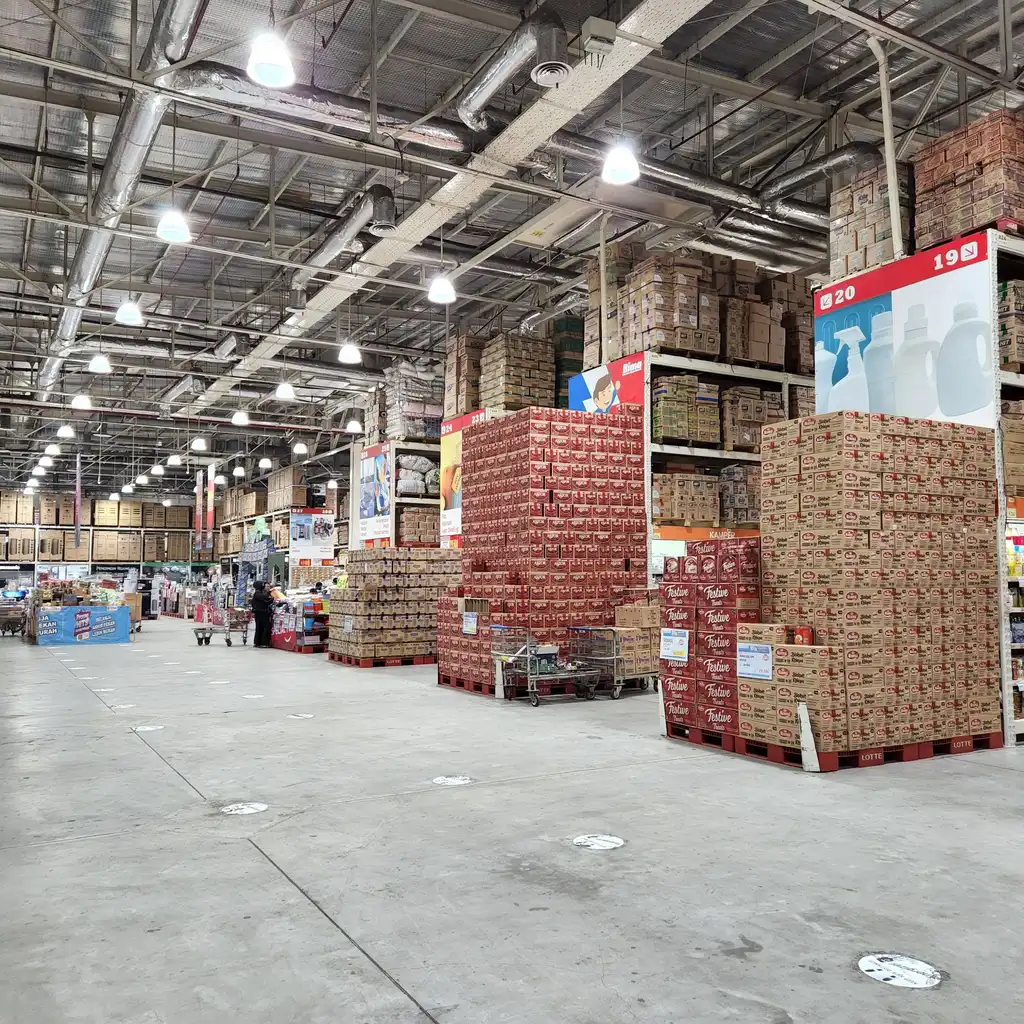
You coordinate the distribution of dry, chilled and frozen goods to your retail and foodservice customers. Managing these varying temperature needs across a busy loading dock and fleet can leave gaps in your protection if your policies are not carefully aligned.
The Southern Agency can review your storage, refrigeration and delivery operations to help you select appropriate insurance. We can examine how your motor truck cargo coverage can be structured to handle the specific needs of mixed-temperature goods during transport.
Fire or power loss can damage different stock categories under different terms.
Theft, collisions and refrigeration faults can affect a truckload with several temperature requirements.
Products already sent to many stores may require tracing and withdrawal.
Dock injuries and compromised account systems can stop order fulfillment in different ways.
Policies to ask about. Which ones fit depends on your operations, your contracts, and the carrier’s forms.
These hypothetical examples are not agency claim results. Whether a loss is covered depends on the facts, policy terms, and applicable exclusions.
A utility outage stops refrigeration in chilled and frozen rooms while dry stock remains usable. Review the utility trigger, waiting period and temperature-loss benefits for each zone, including any requirement for damage at the supplier. One power failure does not make every item in the warehouse a covered spoilage loss.
A delivery truck collides with another vehicle and its mixed grocery load is damaged. Auto liability may address covered harm to the other driver; repairing the truck needs selected physical-damage cover. The chilled, frozen and dry goods require their own cargo interests, limits and causes, including any temperature damage during recovery.
A supplier withdraws a sauce lot that the distributor has already delivered to several stores. Lot and delivery records identify the accounts needing notice. Separately arranged recall terms may help with eligible tracing or retrieval if the product and event qualify; store chargebacks and replacement stock are not automatically paid by the product-liability limit.
Start with the work you do and the questions your current policies leave unanswered. Carrier options depend on your location, risk, and underwriting. Explore our approach.
It can align selected property and liability sections; review separate fleet, cargo, recall, and cyber needs.
Check each zone's stock, cause, sublimit, and utility dependency. A single breakdown limit may be insufficient.
Auto addresses declared vehicle interests; cargo addresses eligible load damage under its own conditions.
Broad distribution can spread a withdrawal across accounts, but recall costs are not automatically product-liability damages.
Employee numbers, payroll, and duties inform workers' compensation arrangements under applicable rules.
Yes, order and payment systems create privacy and interruption risks that ordinary property insurance may not address.
Bring your questions, current policies, and relevant contracts. An agent can review coverage terms, exclusions, and the information carriers ask for, then explain the options available to you.