

A home-use device causes harm
An alleged defect, fit or setup error can involve both product and service duties.
Try a different word, or check the spelling.
Fitting a bed or explaining an oxygen concentrator in a patient's home adds service duties to supplying the device. Your product and professional insurance should accept the setup and instruction actually provided, with patient billing, rental interests, and recall contacts considered separately.
Talk with The Southern Agency about your operation, policy terms, and the information carriers need.
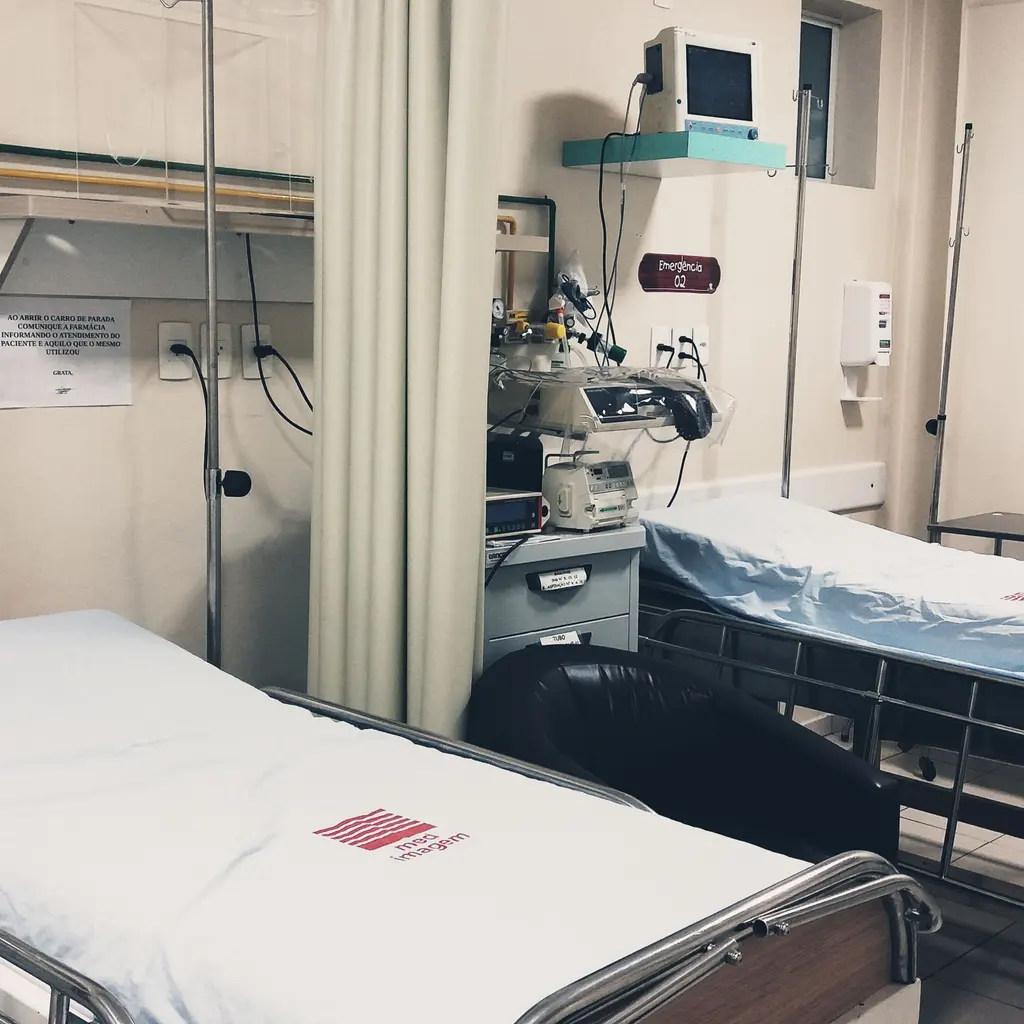
You supply and often set up medical home-care equipment, such as oxygen concentrators and hospital beds, directly for patients. A setup error or a faulty device can lead to injury claims, while your involvement in insurance billing and patient records introduces additional privacy and operational risks.
The Southern Agency can help you review your device distribution and in-home setup services to select appropriate insurance. We can discuss how to protect your business against claims related to equipment performance, patient instruction, and data security.
An alleged defect, fit or setup error can involve both product and service duties.
A recall can require patient contact and replacement outside ordinary injury liability.
Billing and service records can create privacy and cyber obligations.
Heavy beds, electronics, and any oxygen cylinders create distinct warehouse, handling, and delivery risks.
Policies to ask about. Which ones fit depends on your operations, your contracts, and the carrier’s forms.
These hypothetical examples are not agency claim results. Whether a loss is covered depends on the facts, policy terms, and applicable exclusions.
A patient alleges a supplied concentrator stopped working and caused an injury. Product and service liability may help with covered defense and damages, but the cause could involve the device, setup or instructions. Check those roles and bodily-injury exclusions together; retrieving rental units and replacing the device are separate costs.
A compromised billing account exposes patient records held by the distributor. Cyber terms may help with eligible investigation, response and privacy claims. Establish which records and providers were affected and follow required response arrangements; the policy does not certify privacy compliance or automatically pay every payer penalty.
While positioning a rental bed, a delivery crew damages a patient's floor. GL may help with covered damage to the home, subject to handling and work-area restrictions. A patient injury alleged to arise from incorrect bed setup raises a different service-liability question; correcting the setup itself is not automatically paid.
Start with the work you do and the questions your current policies leave unanswered. Carrier options depend on your location, risk, and underwriting. Explore our approach.
This guide emphasizes home-use devices, patient instruction, and delivery; some businesses also supply clinical equipment.
Device and service failures can lead to injury allegations. Product and professional terms must be coordinated.
Patient and billing data can warrant cyber/privacy review, including role-specific duties rather than a blanket compliance claim.
When fitting, instructions or other declared services are alleged negligent; verify bodily-injury scope and exclusions.
Home entry, stairs, and setup add risks beyond driving. Cargo and service work need separate review.
They may. Read the actual contracts and applicable requirements; no eligibility or accreditation promise is made.
Bring your questions, current policies, and relevant contracts. An agent can review coverage terms, exclusions, and the information carriers ask for, then explain the options available to you.