

Products and specifications
A device can allegedly cause injury, or a hospital may claim a recommendation was unsuitable. Injury allegations and commercial specification disputes are different.
Try a different word, or check the spelling.
A hospital can question your device recommendation without the unit being physically damaged, or allege an injury after using it. Specification and product protection need the services you actually provide, with generic E&O bodily-injury exclusions and any real patient-data role reviewed explicitly.
Talk with The Southern Agency about your operation, policy terms, and the information carriers need.
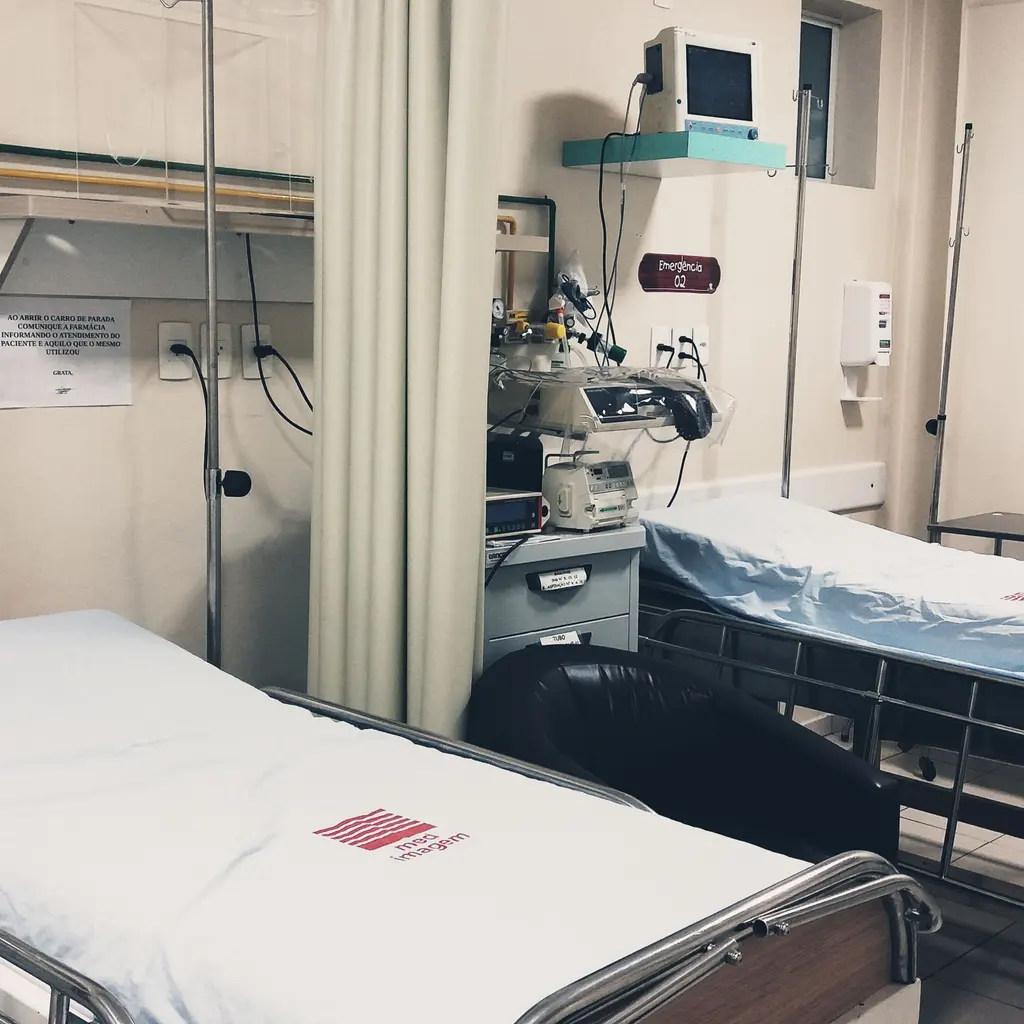
You supply medical equipment to hospitals and may recommend units, coordinate delivery or help with setup. A disputed recommendation can leave a hospital seeking lost earnings, while a device malfunction can lead to a patient-injury claim. Valuable stock also needs protection through handling and acceptance.
The Southern Agency can review your device distribution, advisory services, and data responsibilities to help you select appropriate insurance. We can help you align your professional and products liability coverage.
A device can allegedly cause injury, or a hospital may claim a recommendation was unsuitable. Injury allegations and commercial specification disputes are different.
Valuable units move through storage and installation. A recall can require retrieval without insured physical damage or an injury claim.
Ordering systems may hold business or patient information depending on the service. Delivery staff face travel and handling injuries.
Policies to ask about. Which ones fit depends on your operations, your contracts, and the carrier’s forms.
These hypothetical examples are not agency claim results. Whether a loss is covered depends on the facts, policy terms, and applicable exclusions.
A hospital alleges that a supplied infusion pump malfunctioned and injured a patient. Product liability may help defend a covered device claim and pay covered damages. Identify the model and your setup or service role; retrieving other pumps, repairing units and reimbursing the hospital for a withdrawal are separate expenses.
A clinic says a recommended unit cannot perform the work discussed and seeks lost earnings, with no patient injury alleged. Appropriate errors-and-omissions terms may address an included specification claim. Confirm the advisory service insured rather than assuming a generic form covers medical equipment, refunds or performance guarantees.
An attacker gains access to an ordering system and exposes customer records. Cyber insurance may help with eligible investigation, notification and liability costs. Establish whether the records are purchasing contacts or include patient information, and who controls the system and response; a hospital buyer alone does not make every order patient data.
Start with the work you do and the questions your current policies leave unanswered. Carrier options depend on your location, risk, and underwriting. Explore our approach.
Not automatically. Retrieval, notification, and replacement need specific recall benefits and triggers.
No. Identify what is actually handled and the business's role before assessing privacy duties.
No. Insured services, clinical exclusions, and assumed guarantees must be reviewed.
Suitable transit/cargo or installation cover may be needed; warehouse property and auto labels alone do not establish protection.
Bring your questions, current policies, and relevant contracts. An agent can review coverage terms, exclusions, and the information carriers ask for, then explain the options available to you.