

Planting crew injuries on rough terrain
Hand planting across steep, brushy ground exposes seasonal crews to falls, strains, tool wounds, heat illness, and insect or snake bites.
Try a different word, or check the spelling.
Getting seedlings into the ground and promising they will survive are different commitments. Your insurance review needs to recognize the planting work without assuming it pays for every replanting obligation.
The Southern Agency can help you review insurance options for your reforestation activities and contractual obligations.
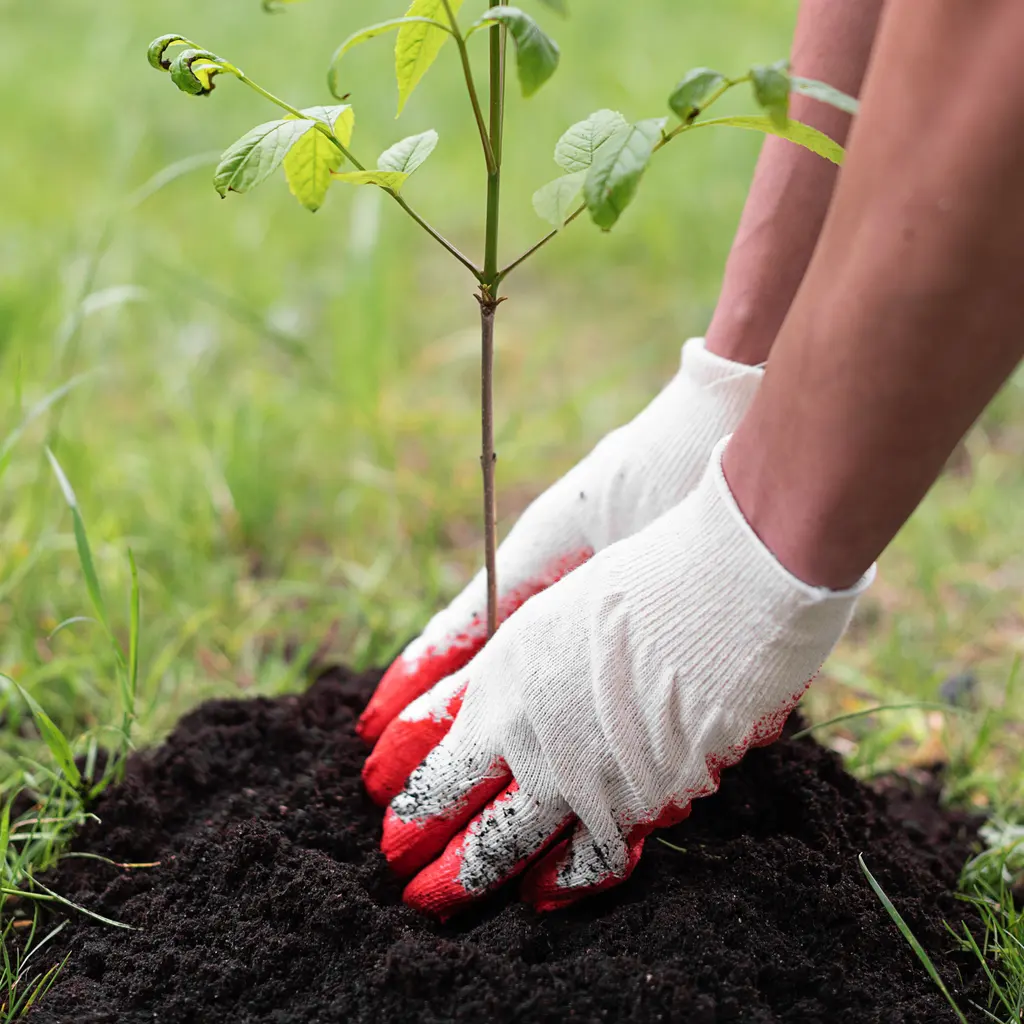
You perform reforestation work, including land preparation, seedling handling, and planting. Navigating remote terrain, managing seasonal crews, and meeting contractual survival obligations require insurance that reflects the nuances of restoration forestry.
The Southern Agency can review your project tasks, labor arrangements, and seedling logistics to help you select appropriate insurance. For example, we can help clarify the difference between coverage for the tools used and the separate protection needed for living seedlings in transit or at a staging site.
Hand planting across steep, brushy ground exposes seasonal crews to falls, strains, tool wounds, heat illness, and insect or snake bites.
Chemical site preparation and release treatments can drift onto neighboring land or water, creating liability, and pollution exposure.
Perishable seedlings held in coolers and staging areas can be lost if refrigeration fails, ruining valuable planting stock.
Vans and trucks carrying crews and supplies over remote, rough roads face collision and upset exposure.
Actual completion, inspection, survival, replanting or bond terms can leave the contractor with costs after poor results. Identify the agreed duties and causes rather than assume every project requires a bond or every shortfall is insured damage.
Drought, fire risk, and severe weather on project sites can interrupt planting windows and threaten newly established stock.
Policies to ask about. Which ones fit depends on your operations, your contracts, and the carrier’s forms.
These hypothetical examples are not agency claim results. Whether a loss is covered depends on the facts, policy terms, and applicable exclusions.
Hypothetical: a planter falls on a steep project site. Applicable worker terms may address benefits for the actual employer, task, and work state. A traveling/hired crew or owner-operator arrangement needs factual review; the landowner's project insurance or certificate does not establish every crew member's benefits.
Hypothetical: herbicide applied during release work drifts onto a neighbor's vegetation. Applicable environmental/application terms must accept the operator, method, site, and cause. Own seedlings, routine reapplication, land-restoration promises, and cleanup costs need separate review.
Hypothetical: a cooler failure damages seedlings awaiting planting. Applicable stock terms must expressly include the living plants, owner's interest, stage/site, and cause, with limits, and valuation. Machine repair or tool/transit protection does not establish spoilage; later planting-survival or rework promises are separate.
Start with the work you do and the questions your current policies leave unanswered. Carrier options depend on your location, risk, and underwriting. Explore our approach.
Record actual employers, tasks, payroll, work states, and transport arrangements, including hired crews and owner-operators. Check the applicable duties and benefits rather than assume a seasonal label or project owner's policy establishes protection.
No. Compare actual operator, method, site, and accepted application/contractor scope, with own stock/work, drift/releases, cleanup, and prior/gradual conditions. A private insurance request does not establish licensing or proper treatment methods.
Not automatically. Confirm the live plants, owner, condition, stage, temporary site/transit, cause, value, and limit. Equipment repair, stock spoilage, and mortality or failed survival after planting need separate terms.
A bond backs defined obligations for its beneficiary under the actual form. It is not the contractor's routine stock/weather insurance, and the indemnity agreement can require reimbursement to the surety. Confirm any survival/maintenance obligations and issuance separately.
Declare actual vehicles, drivers, occupant/use, and routes, including hired/nonowned arrangements. Compare vehicle liability/damage and passenger/worker treatment with tools, live-plant cargo, and remote recovery; one limit does not establish every interest.
No. Compare physical cause and affected property with the contract's planting window, acceptance/survival measures, care, rework, change, and suspension provisions. Delay, a result guarantee or a bond alone does not establish stock, income, or performance reimbursement.
Bring your questions, current policies, and relevant contracts. An agent can review coverage terms, exclusions, and the information carriers ask for, then explain the options available to you.