Skip to content

Tree Nursery Insurance

When a tree is dug, lifted and loaded for delivery, both your stock and your crew need attention. The insurance on the loader or truck does not settle protection for either.

The Southern Agency can help you review your nursery's exposure from propagation through delivery.

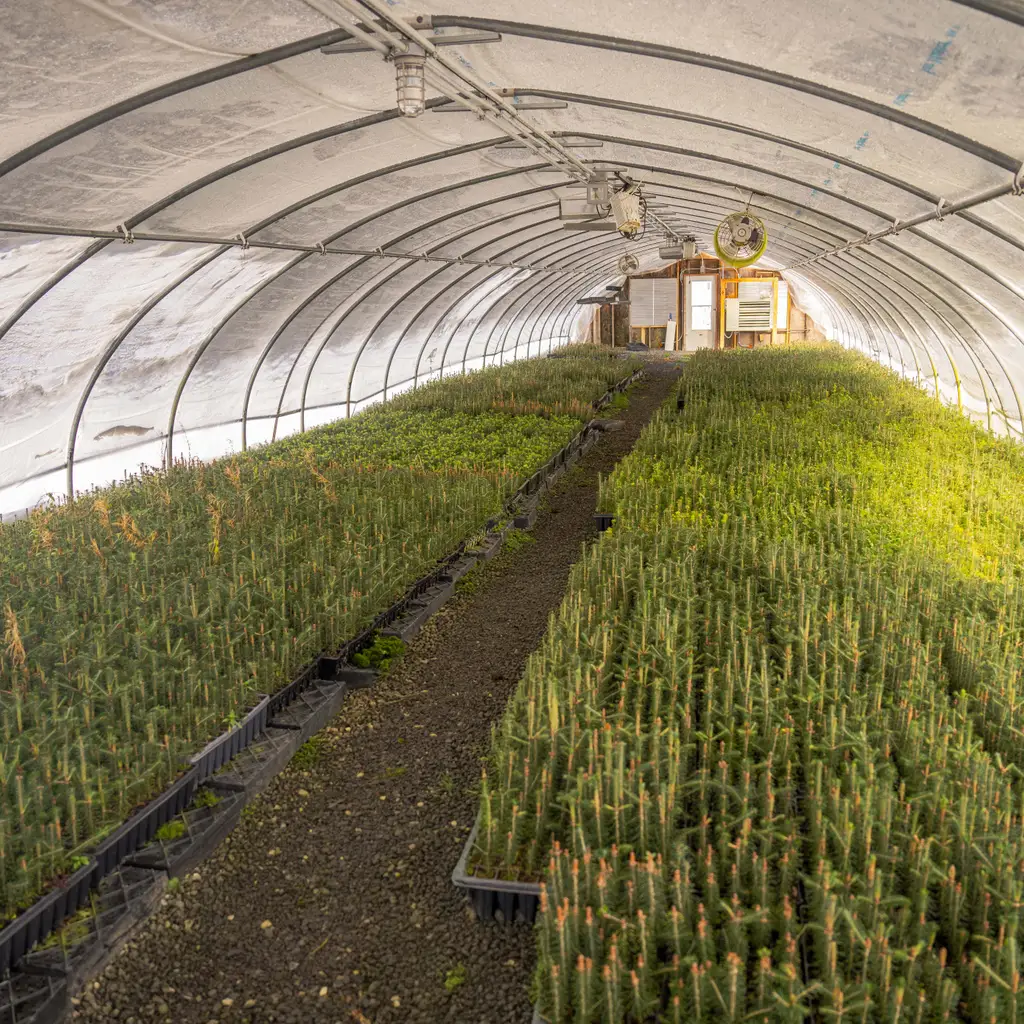
Trays of young pine seedlings fill a greenhouse on either side of a gravel aisle.

Industry overview

You grow and hold trees at different sizes and stages, from young liners to stock ready for digging or delivery. A shared pump failure can affect several batches, while lifting a heavy root ball creates separate risks to the tree, your crew and anyone nearby.

The Southern Agency can review your propagation and sales stages to help you select appropriate insurance. We can help you determine, for example, which coverage applies to trees damaged during transit versus the coverage needed for greenhouse equipment breakdown.

Risks worth discussing

Loss of living tree stock

Freeze, wind, hail or disease can affect trees at different sizes and growing stages. Damage to a tree, its reduced sale value and years of anticipated future sales are different questions; living stock needs its own eligibility and valuation review.

Irrigation and climate-system failure

A pump, heater or controller failure can leave stock without suitable water or temperature conditions. The consequences depend on the tree type, growing stage, location, weather, and response arrangements.

Trees in display, loading and transit

Dug and container trees can be damaged while held, lifted, loaded, or hauled, and tipping stock can injure a buyer. Track the plant owner and custody as well as the vehicle or lifting equipment.

Chemical and fertilizer exposure

Own or hired applications, storage and runoff can lead to allegations involving neighboring plants, soil or water. Damage to the nursery's trees and cleanup or third-party claims need separate attention.

Seasonal workforce injuries

Digging, balling and burlapping, lifting, loading, and machine work can injure crews. Actual employers, tasks and work states matter even when workers are seasonal or supplied by another business.

Buyer condition and plant-health claims

A buyer may allege the wrong tree, poor condition, pest transfer, or failure after planting. A replacement demand does not itself establish insured damage, legal liability, or payment under a survival promise.

Machinery damage and delivery disruption

Loader damage, tractor theft, or a potting-machine failure can interrupt handling and orders. Machine repair, hiring a replacement, damage to trees, and the cost of missed deliveries can have different coverage conditions.

Coverage worth discussing

Policies to ask about. Which ones fit depends on your operations, your contracts, and the carrier’s forms.

Situations to think through

These hypothetical examples are not agency claim results. Whether a loss is covered depends on the facts, policy terms, and applicable exclusions.

  1. Hypothetical: Heater failure damages container trees

    Hypothetical: a heater fails during a freeze and container trees are damaged. Eligible breakdown terms may address heater repair, but actual stock terms must include the trees, stage, site, and cause. A plant or tree exclusion, utility conditions, and valuation can change the result; replacing a heater does not establish payment for every tree or the next growing cycle.

  2. Hypothetical: Customer injured by tipping stock

    Hypothetical: a tree with a root ball tips in the sales yard and injures a customer. Applicable general liability terms may address a covered claim based on the facts and accepted activity. Injury to a worker, damage to the nursery's tree, and an incident during unloading at a buyer's site are separate coverage questions.

  3. Hypothetical: Herbicide drift damages neighboring plants

    Hypothetical: a nursery application drifts onto neighboring ornamentals. Applicable environmental or application terms must accept the operator, site, method, and cause. Review third-party damage and any cleanup separately from the nursery's own stock, routine reapplication, and contractual replacement promises.

Before you talk to an agent

What to have ready

Tick items as you gather them. Nothing here is saved or sent.

Questions to raise

  • List trees by type, size, growing stage, ownership, and location, including bare-root, container, and balled stock. Compare present inventory value, accumulated growing costs, and the cost or time to obtain replacements with the actual valuation basis; a buyer's order price is not automatically the insured value.
  • For any nursery-specific stock or crop proposal, check the current eligible plants, intended sale, growing practice, site, sales conditions, inspection, and protection period. Ordinary property, machinery and transit descriptions do not establish that all rooted trees or every weather or disease cause qualifies.
  • Map which field blocks, container areas or houses depend on each pump, heater, controller, and water or power source. Compare internal failure with outside interruption and weather damage, then check living-tree exclusions, resulting-stock terms, and any income or temporary-equipment conditions.
  • Follow a tree through digging, holding, display, loading, outside storage, and delivery. Identify when title and responsibility pass to the buyer, including sold stock awaiting pickup, hired haulers, and any planting or aftercare. Review stock damage and injury or customer-property claims separately.
  • Keep buyer grade, identity, condition, and survival promises distinct from physical stock loss. Describe any chemical work and plant-health allegations accurately; neither a rejected shipment nor a purchaser's demand for replacement establishes that a policy will pay.

Contract terms to check

  • Read supplier and buyer terms for tree identity, size, grade, condition, acceptance, and ownership. Clarify any survival, replacement, or refund promises and required care after receipt; these commitments can be broader than insured physical damage or liability.
  • Allocate digging, stock holding, loading, carrier transport, unloading, and any planting or aftercare with the parties doing that work. Identify who bears loss at each stage and compare stock, cargo, and liability terms rather than relying on vehicle insurance.
  • Review greenhouse, land, equipment and finance agreements for property interests, values, and requested insurance. Check maintenance and control-system service responsibilities as well as hired application or handling work. Certificates provide information; requested interests need the relevant policy terms or endorsements.
  • Keep private landscaper, garden-center, landowner and lender conditions separate from applicable worker, vehicle, chemical, and plant-health rules. Have actual duties and notice requirements clarified by qualified advisers; an insurance policy or buyer certificate does not certify compliance.

What the agent conversation looks like

Start with the work you do and the questions your current policies leave unanswered. Carrier options depend on your location, risk, and underwriting. Explore our approach.

  1. ListenReview your operations, current coverage, and past claims.
  2. AssessIdentify potential hazards and discuss ways to reduce risk.
  3. BuildDiscuss policy and carrier options, premium costs, and audits.
  4. SupportReview changes and help you plan ahead as your needs develop.

Questions owners ask

How should growing trees be described and valued?

Identify the tree type, size, stage, growing practice, owner, and site, with peak quantities and values. Compare the actual stock definition, covered causes, valuation, and limits. A growing cost, future order price and replacement purchase are not automatically the same insured amount.

Does pump or heater coverage include the trees?

Check eligible machinery and failure separately from tree or growing-plant exclusions and resulting-stock terms. Outside water or power interruption, wear, weather, and income recovery need their own comparison. Insuring the machine does not establish protection for every tree that depends on it.

Does insurance fulfill a buyer's survival guarantee?

Not automatically. Review the alleged damage and cause alongside plant identity, condition, acceptance, aftercare, and replacement promises. The nursery's own stock, a refund and damage allegedly caused to other property can involve different terms.

What matters for herbicide drift or runoff?

Identify the actual applicator, method, sites, and affected property. Compare accepted application or environmental terms for third-party damage and cleanup, with own-stock, prior-condition and contractual replacement treatment. A hired provider's certificate does not settle every party's duties or cover.

What changes when trees leave the nursery?

Trace ownership and custody through loading, temporary storage, transport, unloading, and any planting. Check the actual tree load, values and causes under stock or transit terms separately from vehicle damage. Delay, drying, buyer rejection, and aftercare promises are not established by a listed truck.

Does a nursery label establish crop-program eligibility?

No. Have the current plant, intended-sale, practice, location, sales, inspection, and period conditions checked for the actual proposal. Trees grown for different uses and production methods should not be treated as interchangeable, and a greenhouse policy does not determine crop eligibility.

Talk through your tree nursery coverage

Bring your questions, current policies, and relevant contracts. An agent can review coverage terms, exclusions, and the information carriers ask for, then explain the options available to you.

How can we help you get started?

Choose the quote that fits, and we’ll take it from there.

Have a question? Contact us