

Crew injuries in rough terrain
Gathering on uneven, remote ground exposes workers to slips, falls, lifting strains, insect and snake bites, and weather-related harm.
Try a different word, or check the spelling.
Permission to gather is only the start of your working relationship with a landowner. Insurance also needs to address damage during collection and the uses of what you sell.
Bring actual products and uses, tract permissions, work methods, crew arrangements and staging or transport details for a focused insurance review.
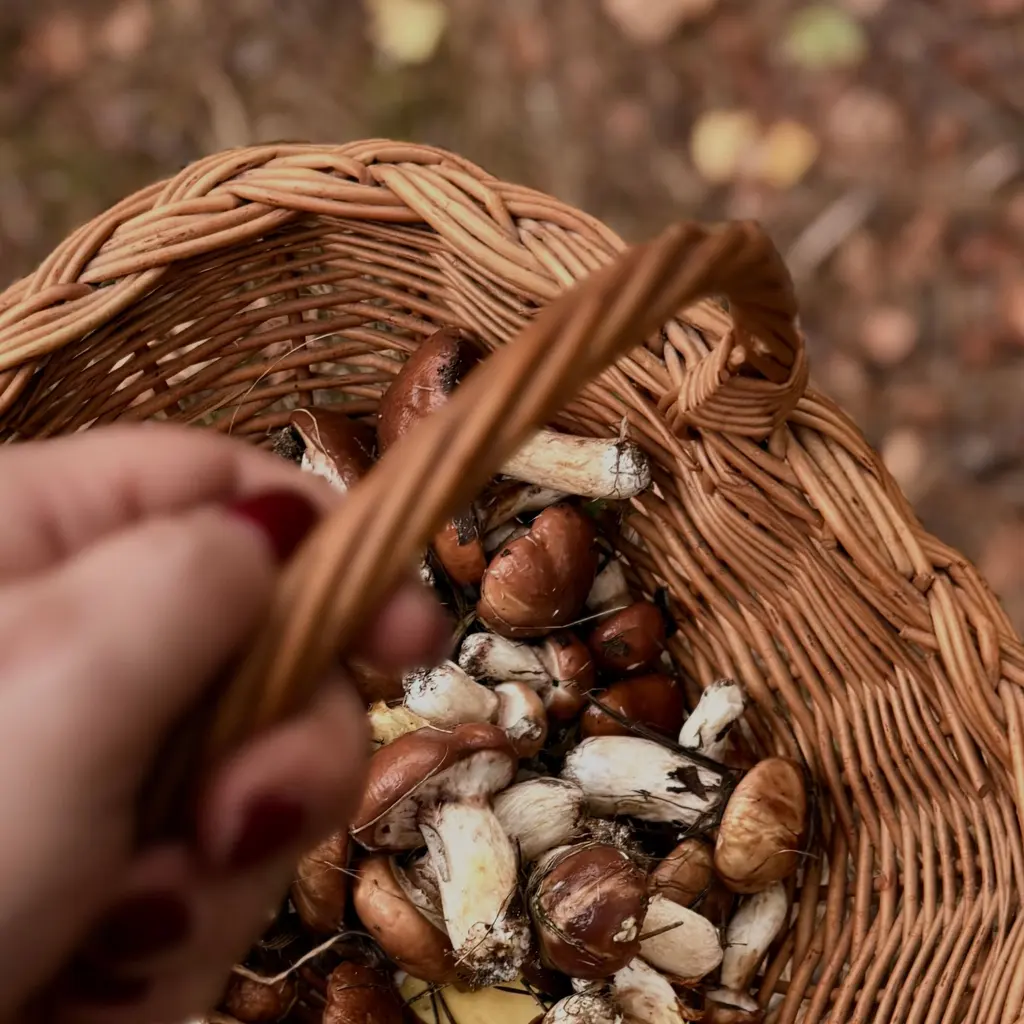
You gather non-timber forest products like pine straw, mushrooms or decorative greenery. Your operation relies on access to land, portable equipment and specialized crews, all of which present unique liability and staging risks.
The Southern Agency can review your gathering and processing activities to help select appropriate insurance. For example, we can help you understand how liability coverage applies to your field operations, while noting that agreements to restore land or pay landowners require distinct attention.
Gathering on uneven, remote ground exposes workers to slips, falls, lifting strains, insect and snake bites, and weather-related harm.
Selling wild mushrooms or edible botanicals creates exposure if a consumer is harmed by misidentification, contamination, or a foodborne reaction.
Public permits or private agreements can limit products, locations, quantities, equipment, or commercial use and can include insurance conditions.
Over-harvesting, soil disturbance, or fire from equipment can damage the land collected on and breach access agreements.
Gathered product staged in barns or sheds can be lost to spoilage, fire, or theft before it reaches buyers.
Trucks moving crews and harvested goods over backwoods and rural roads face upset and collision exposure.
Policies to ask about. Which ones fit depends on your operations, your contracts, and the carrier’s forms.
These hypothetical examples are not agency claim results. Whether a loss is covered depends on the facts, policy terms, and applicable exclusions.
Hypothetical: a crew member falls while collecting greenery. Workers compensation may provide benefits for an insured work injury under applicable law. General liability or calling the person an independent gatherer does not establish employee-injury protection.
Hypothetical: a grocer alleges illness from wild mushrooms and withdraws the lot. Applicable product liability may address a covered injury claim if the declared products and terms fit. The buyer's disposal bill and the collector's own withdrawal costs are not automatically included.
Hypothetical: a baler damages the part of a landowner's tract where the crew is working. General liability may be considered, but working-property and contractual-liability provisions can limit recovery. A permit or promise to restore the site does not override those terms.
Start with the work you do and the questions your current policies leave unanswered. Carrier options depend on your location, risk, and underwriting. Explore our approach.
They require different descriptions. Food identity, intended use, handling, and consumer injury matter for wild foods; baling, dry stock, and landscaping sales raise other questions. Confirm the actual products and work accepted by the insurer.
No. Confirm the permit authorizes the actual commercial activity, then compare its insurance conditions with your policy. Public-land rules, private access promises, and an insurer's coverage grant are separate.
Not automatically. Working-property, rented-property, and contractual provisions can affect damage to the collection area and restoration demands. Review the exact damage, activity, agreement, and policy.
A covered injury claim differs from withdrawal, testing, disposal, refunds, and contractual reimbursement. Check the declared food products and any applicable recall or contamination terms separately.
Check the goods, location, ownership, limits, causes, and outdoor or temporary-storage conditions. Fire/theft cover for a barn does not establish spoilage or payment for stock elsewhere.
Provide actual employers, duties, work states, vehicles, drivers, and who transports people or product. Seasonal status, a contractor label, or listed truck does not resolve every worker, passenger, or cargo question.
Bring your questions, current policies, and relevant contracts. An agent can review coverage terms, exclusions, and the information carriers ask for, then explain the options available to you.