Skip to content

Tree Farm Insurance

A family choosing a tree may also be using your saw, riding a wagon, or waiting near the baler. The activities you actually offer matter when selecting visitor liability coverage.

The Southern Agency can help you review your farm's liability for visitors and its property risks for growing trees.

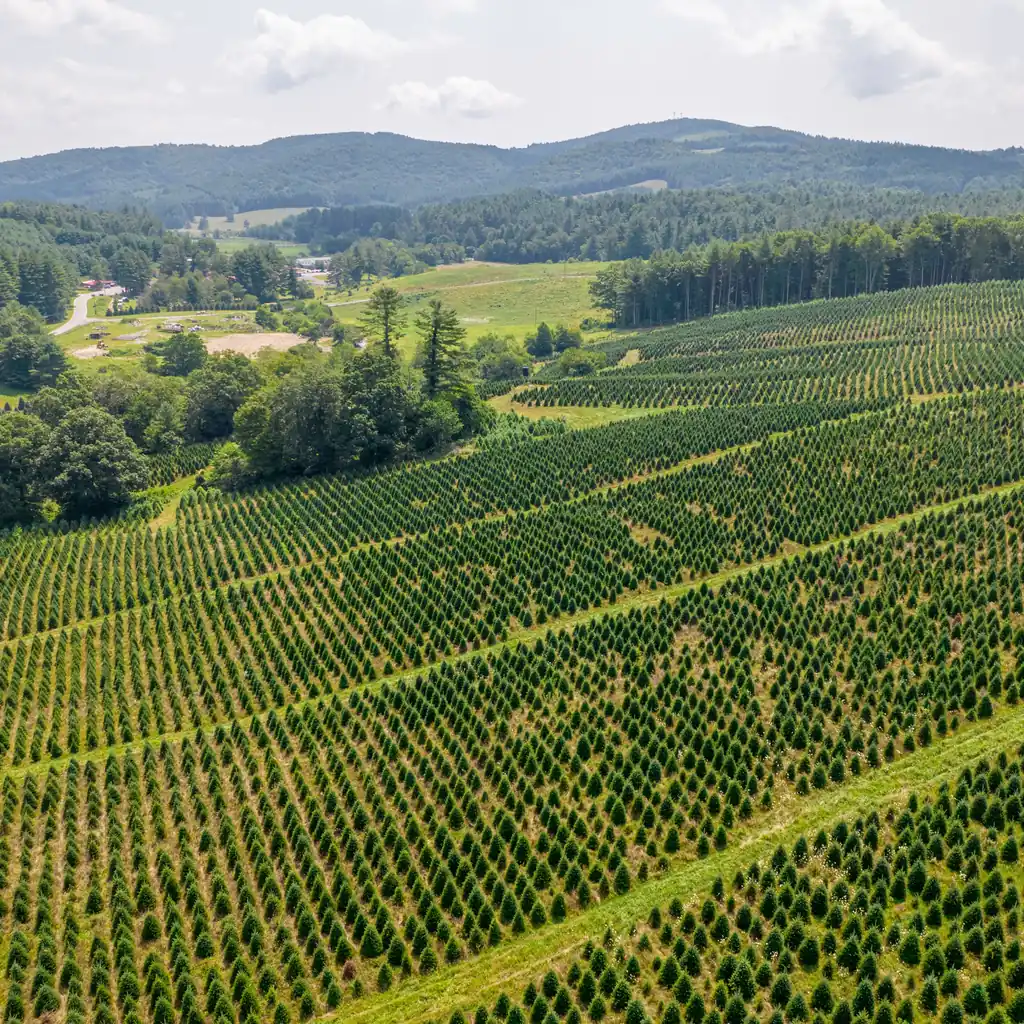
Rows of Christmas trees follow the slopes of a farm surrounded by wooded hills.

Industry overview

You grow trees for later harvest and may open the fields for choose-and-cut sales. If you supply saws, offer wagon rides or bale trees near customers, visitor injuries become a different concern from fire damage to cut stock or trees still growing.

The Southern Agency can review your growing operation and any public sales or attractions to help select appropriate insurance. We can compare accepted visitor activities with protection for cut trees, standing stock and seasonal equipment, following who owns and handles each interest.

Risks worth discussing

Choose-and-cut visitor injuries

Customers can be hurt while walking uneven fields, cutting a tree, or collecting an order. The activity, tools supplied, supervision, and alleged conduct affect the claim; an injury alone does not establish the farm's liability.

Saw and baling equipment accidents

Cutting, shaking, baling, and loading can injure workers or visitors. Identify who operates each tool and machine, including outside crews, rather than assume one liability policy addresses everyone.

Loss of trees before harvest

Fire, drought, pests, or disease can damage trees before sale. Growing costs, present tree value, replacement time, and expected future receipts are different measures; not every cause or value is insured.

Seasonal sales and added attractions

A public sales area, wagon ride, outside vendor, or holiday event adds activities beyond growing trees. Describe the attractions actually offered and who provides them, including any separate operator.

Field equipment damage and failure

Tractor overturn, theft of shearing tools and an internal baler failure involve different causes and equipment terms. A stopped machine can also delay sales without establishing an insured income loss.

Cut trees and orders awaiting pickup

Theft or damage can affect cut trees, dug stock, and sold orders staged outside or in a barn. Ownership, location, peak value, and the point of cutting or sale matter to stock protection.

Coverage worth discussing

Policies to ask about. Which ones fit depends on your operations, your contracts, and the carrier’s forms.

Situations to think through

These hypothetical examples are not agency claim results. Whether a loss is covered depends on the facts, policy terms, and applicable exclusions.

  1. Hypothetical: Customer injured on a wagon ride

    Hypothetical: a visitor falls from a wagon during a choose-and-cut visit. Applicable liability terms may address a covered claim, but the ride, operator, and insured parties must fit the policy. A waiver or another operator's certificate does not establish the farm's coverage, and an excess limit does not automatically remove a ride exclusion.

  2. Hypothetical: Saw injury during cutting

    Hypothetical: a seasonal employee is cut while harvesting trees. Applicable workers compensation terms may address benefits for the employer, work, and state involved. Confirm employment and coverage facts; a visitor liability limit or the short season does not determine the worker's benefits.

  3. Hypothetical: Fire in the equipment barn

    Hypothetical: fire damages a barn, balers, and cut trees held for pickup. Property terms may address eligible scheduled interests and covered damage, subject to stock values and limits. Growing trees outside, sold orders, alternate sales arrangements, and lost seasonal income are separate questions; the building limit does not establish them all.

Before you talk to an agent

What to have ready

Tick items as you gather them. Nothing here is saved or sent.

Questions to raise

  • Show the difference between growing trees for later harvest, cutting trees for immediate sale, and selling rooted nursery stock. Check the exact plant, intended use, practice, location, and cause under any proposed tree or crop terms; a nursery or forestry label does not establish Christmas-tree eligibility.
  • Walk through the customer's visit, including parking, field access, tools, rides, checkout, and loading. Identify the farm's work and each outside operator's role, then compare the activities and insured parties with primary and excess liability terms.
  • Compare the value of trees still growing with cut inventory, dug stock, and orders already sold but still held. Ask when each interest starts and ends, how partial damage is valued and whether outside displays or temporary sales sites have separate limits.
  • Review equipment values and causes of loss alongside the seasonal sales plan. Baler repair, hiring a substitute, stock damage, and income lost during the selling period can have different conditions; poor weather that keeps customers away is not itself proof of covered damage.
  • Describe actual spraying, fuel storage, hired field work, deliveries, and any installation or planting service. Review pollution and off-site work where relevant, rather than assume a seasonal visitor endorsement also addresses those operations.

Contract terms to check

  • Read land leases for ownership of planted trees, harvest access, maintenance, fire or chemical responsibilities and what happens if the lease ends before harvest. Requested liability interests and property values must match the actual lease and endorsements.
  • Review wholesale orders and retail reservation or pickup terms for tree type, quantity, grade, freshness, cutting, delivery, acceptance, and refunds. A customer promise or rejected order does not establish insured stock damage or reimbursement of expected sales.
  • For rides, events and outside vendors, allocate operation, supervision, equipment, workers, and injury reporting. Compare requested insured parties and limits with the actual policies; a certificate or visitor waiver does not add coverage or establish legal immunity.
  • Review hired cutting, baling, application, hauling or planting agreements for the work, stock custody, and responsibility for damage. Keep private buyer, lender and landlord insurance requests separate from applicable worker, road, plant-health, and chemical rules.

What the agent conversation looks like

Start with the work you do and the questions your current policies leave unanswered. Carrier options depend on your location, risk, and underwriting. Explore our approach.

  1. ListenReview your operations, current coverage, and past claims.
  2. AssessIdentify potential hazards and discuss ways to reduce risk.
  3. BuildDiscuss policy and carrier options, premium costs, and audits.
  4. SupportReview changes and help you plan ahead as your needs develop.

Questions owners ask

What should I disclose before opening for choose-and-cut sales?

Describe field access, supplied tools, who cuts and bales, rides, vendors, events, and loading. Ask which activities and operators the liability terms accept. Public access, a signed waiver or an umbrella limit does not establish every activity is covered.

Are Christmas trees and ornamental nursery stock treated alike?

Do not assume so. Identify the intended sale, whether trees remain rooted, the growing practice, location, owner, and stage. Have current eligibility and covered causes checked under the exact proposed terms; the nursery name or a building policy is not proof of protection.

What changes when a tree is cut or sold?

Compare the growing-tree interest with cut inventory, bought-in stock, and sold orders awaiting pickup or delivery. Ownership, location, valuation, outside-stock limits and when protection begins or ends need to match that stage.

Does baler insurance include breakdown and lost sales?

Check eligible machines and causes, including internal failure and wear, separately from accidental damage or theft. Substitute equipment, stock loss and income during the selling period require their own terms; a listed baler does not establish every result of downtime.

How should I describe seasonal staff and hired crews?

Identify the employer, tasks, payroll, and work states, including cutting, baling, retail, rides, loading, and driving. Review applicable worker rules and coverage instead of inferring inclusion or exemption from the short season or a contractor label.

Does product liability reimburse freshness or survival promises?

Not automatically. A tree or gift item allegedly causing injury or damage to other property is different from appearance, freshness, refund, replacement, or plant-survival commitments. Compare the actual claim and sales terms with the policy.

Talk through your tree farm coverage

Bring your questions, current policies, and relevant contracts. An agent can review coverage terms, exclusions, and the information carriers ask for, then explain the options available to you.

How can we help you get started?

Choose the quote that fits, and we’ll take it from there.

Have a question? Contact us