

Customer slip-and-fall injuries
Shoppers moving through wet greenhouse floors, hose-covered yards, and uneven outdoor display areas face slip, trip, and fall exposure.
Try a different word, or check the spelling.
Taking card payments adds a different responsibility to your nursery's busy sales season. Customer data deserves insurance attention alongside the plants and people in the yard.
The Southern Agency can help you evaluate your nursery's retail activity, greenhouse infrastructure, and plant inventory risks.
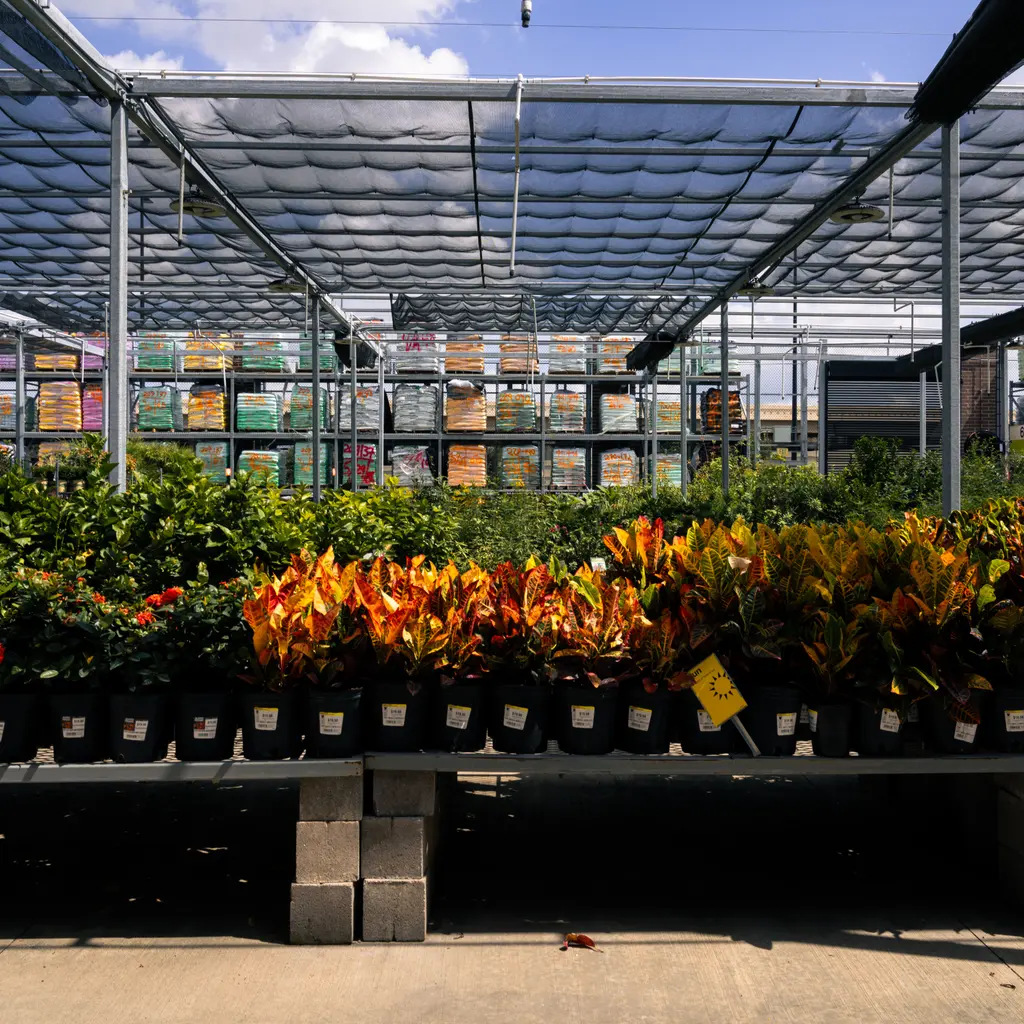
You manage a nursery where customers visit to browse outdoor stock, greenhouses, and display yards. Heavy traffic, the movement of supplies, and managing a mix of grown or purchased inventory create potential risks for visitor injuries and property loss.
The Southern Agency can review your retail, wholesale, and landscape operations to help you select appropriate insurance. For example, we can assist in identifying the correct coverage for a greenhouse ventilation system's failure versus the separate insurance needed for the plants themselves.
Shoppers moving through wet greenhouse floors, hose-covered yards, and uneven outdoor display areas face slip, trip, and fall exposure.
Living retail inventory can be lost to freeze, heat, drought, or irrigation failure, especially during seasonal demand peaks.
Heaters, fans, and watering controls can fail and damage concentrated greenhouse stock before it is sold.
Point-of-sale systems handling customer card payments create data breach and cyber liability exposure if systems are compromised.
Trucks delivering trees, soil, and large plants to customers on public roads create commercial auto liability and physical damage exposure.
Seasonal staff lifting heavy plants, bagged soil, and pavers and operating carts and loaders face strains and equipment injuries.
Plants, statuary, and supplies displayed outdoors are exposed to storm damage and theft across an open retail yard.
Policies to ask about. Which ones fit depends on your operations, your contracts, and the carrier’s forms.
These hypothetical examples are not agency claim results. Whether a loss is covered depends on the facts, policy terms, and applicable exclusions.
Hypothetical: a shopper slips in a wet display area. Applicable liability/medical-payment terms may address a covered incident, subject to actual facts, duties, and limits. A fall does not guarantee liability or every expense; worker benefits and damaged nursery stock are separate interests.
Hypothetical: a point-of-sale incident exposes card data. Applicable cyber terms may address covered investigation/notification and selected liability costs. Confirm actual provider/merchant responsibilities, notice/approved-cost conditions, and limits; outage, card assessments, and every third-party expense do not follow automatically.
Hypothetical: heater failure damages indoor retail plants. Applicable equipment/property terms must include the machine, interest, cause, and actual plant stock. Wear, utility failure, ordinary plant decline, outdoor/propagating stock, and lost seasonal sales need separate comparison; heater repair alone does not establish all plant or income loss.
Start with the work you do and the questions your current policies leave unanswered. Carrier options depend on your location, risk, and underwriting. Explore our approach.
Check actual property/liability/income terms and selected endorsements. Eligibility and nursery operations matter; the BOP label does not establish those separate interests, living stock or off-site work.
Compare actual plant/tree, living/growing-stock definitions, locations, ownership, values, and causes. An indoor retail-stock provision or insured greenhouse does not establish every outdoor, propagating or wholesale plant interest.
Review eligible failure, wear, power/water interruption, plant property, and resulting stock/income terms separately. Cause, limits, waiting/restoration conditions, and actual loss matter; plant decline or missed sales alone does not establish a claim.
No. Confirm actual shared duties with the provider and acquirer/payment brand. Compare insured response, liability, outage, and selected card-assessment costs; outsourcing and cyber insurance do not themselves establish compliance.
Describe actual vehicles, loading, plant custody, and installation/landscape work. Auto liability/selected physical damage, goods in transit, customer property, work correction, and plant-care promises have different terms.
Identify actual employers, tasks, work states, and payroll across retail, growing, loading, equipment, and off-site work. Review applicable benefits/duties and policy terms rather than relying on seasonal, farm or contractor labels.
Bring your questions, current policies, and relevant contracts. An agent can review coverage terms, exclusions, and the information carriers ask for, then explain the options available to you.