

Nursery stock loss before sale
Freeze, drought, wind, hail, or disease can damage field and container stock. Growing time, replacement cycle and valuation depend on the actual plants and stage, not one assumption for all nursery inventory.
Try a different word, or check the spelling.
A sale-ready tree can represent far more growing time than a tray of young plants. The stock you hold at each stage matters when choosing your nursery's insurance values and terms.
The Southern Agency can help you evaluate the insurance needs for your growing stock, climate systems, and delivery operations.
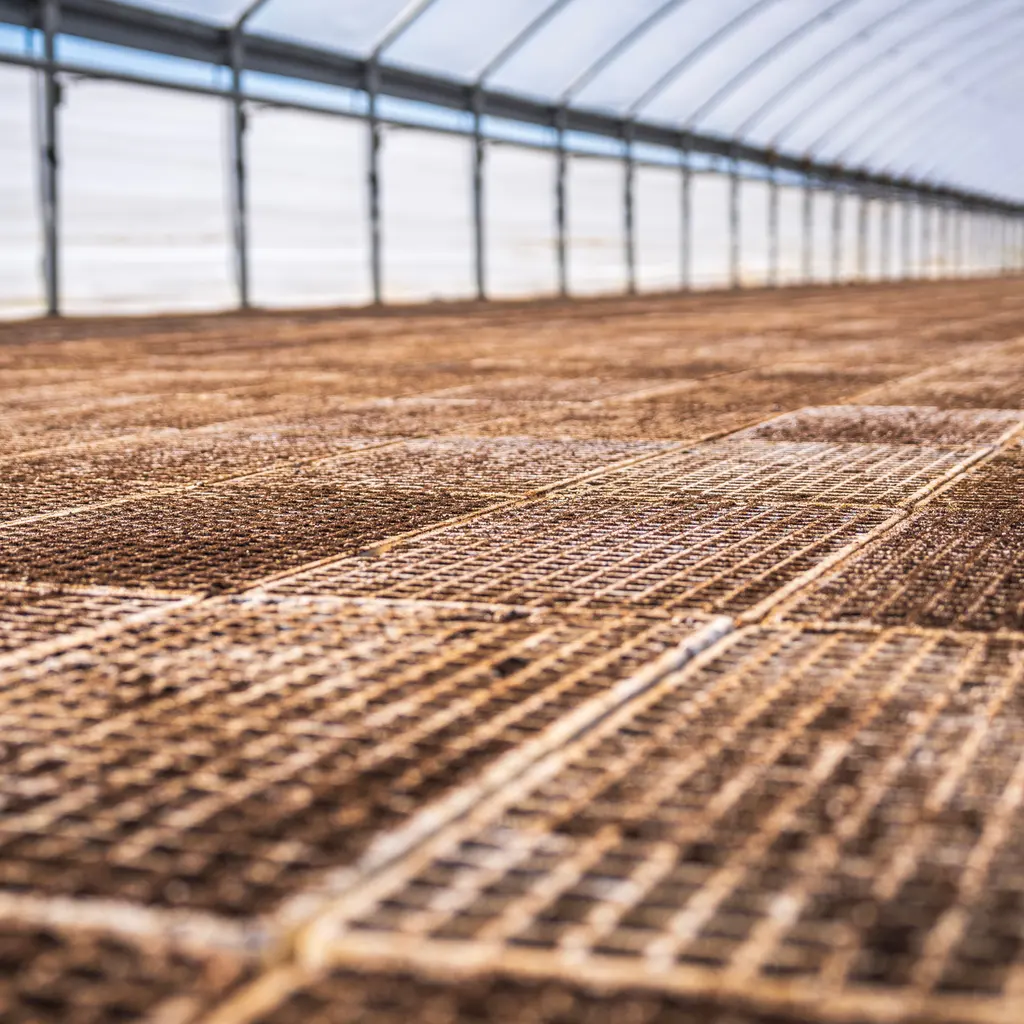
You propagate and grow nursery stock from young plants to sale-ready trees or shrubs. Field and container stock have different exposures from plants under cover, and a shared irrigation or heating failure can affect several batches at once.
The Southern Agency can review your propagation methods, growing locations, and delivery agreements to help you select appropriate insurance. We can discuss how to protect your structures, like greenhouses, versus the value of the plants themselves.
Freeze, drought, wind, hail, or disease can damage field and container stock. Growing time, replacement cycle and valuation depend on the actual plants and stage, not one assumption for all nursery inventory.
A heater, pump or controller failure can expose stock to unsuitable temperature or water conditions. The consequences depend on plant type, stage, site and conditions.
Trucks delivering trees and shrubs to buyers can be involved in accidents that damage living inventory and the vehicle alike.
Crews lifting heavy balled-and-burlapped trees, potting, and operating loaders face strains, crush, and equipment-related injuries.
Fertilizer and pesticide storage and application create potential pollution and contamination exposure depending on operations.
Tractor overturn, loader theft and potting-machine failure can damage equipment and interrupt orders.
Landscaper and garden-center orders may include grade, delivery, acceptance, or replacement promises. Stock performance and private insurance requests need separate review; a contract does not establish payment for failed plants or lost orders.
Policies to ask about. Which ones fit depends on your operations, your contracts, and the carrier’s forms.
These hypothetical examples are not agency claim results. Whether a loss is covered depends on the facts, policy terms, and applicable exclusions.
Hypothetical: a greenhouse control fails and cold damages young plants. Eligible breakdown terms may address machine repair. Actual nursery-stock terms must address the plants, stage, cause and value; a plant exclusion or indoor-retail-only definition, utility conditions and income limits can leave different parts of the loss untreated.
Hypothetical: a truck collision damages both truck and plant load. Selected auto physical damage may address the vehicle; applicable stock/transit terms must include the owners, values, location/stage and cause. Buyer replacement, rejected loads, delay, unloading, and temperature/drying losses are not established by truck insurance.
Hypothetical: hail damages ornamentals ready for shipment. Applicable nursery-stock or crop terms need the eligible plants, practice, site, period, cause, and valuation. A greenhouse/building policy does not establish outside container-stock protection or payment for canceled orders and future sales.
Start with the work you do and the questions your current policies leave unanswered. Carrier options depend on your location, risk, and underwriting. Explore our approach.
No. Identify actual plants, practice, stage, owner, site, causes, and valuation. Nursery stock/crop terms can have eligibility and period conditions, while structures, equipment and transit forms may treat living plants differently.
Do not assume so. Review structures/coverings, eligible equipment/failure and actual plant definitions separately. An indoor-retail plant exception does not establish propagating or wholesale-growing stock, utility, rental or income benefits.
Confirm ownership, values, yard/site, loading, transport, unloading, and acceptance with actual stock/carrier terms. Vehicle insurance does not establish plant loss, temperature/drying, replacement, rejection, or delay protection.
Not automatically. Review grade/identity, acceptance, care and replacement promises separately from insured plant loss or third-party injury/property damage. Lost orders, refunds and re-supply costs need actual terms.
List field stock, container pads, greenhouse/shade/headhouse construction and coverings, fixed potting/climate systems, and mobile tractors/loaders separately. Values, causes, wind/hail, wear, mobile breakdown, and rentals can differ.
No. Describe actual employers, digging/burlapping, potting, loading, machinery, chemical, and delivery duties, payroll and work states. Confirm rules and policy classifications rather than inferring them from a farm, seasonal or contractor label.
Bring your questions, current policies, and relevant contracts. An agent can review coverage terms, exclusions, and the information carriers ask for, then explain the options available to you.