Skip to content

Tree Nut Orchard Insurance

If you hull or pack nuts, buyers rely on your handling as well as your harvest. Product liability and allergen-related claims need attention beyond the insurance on your processing line.

The Southern Agency can help you review your nut orchard's operational risks from harvest through processing.

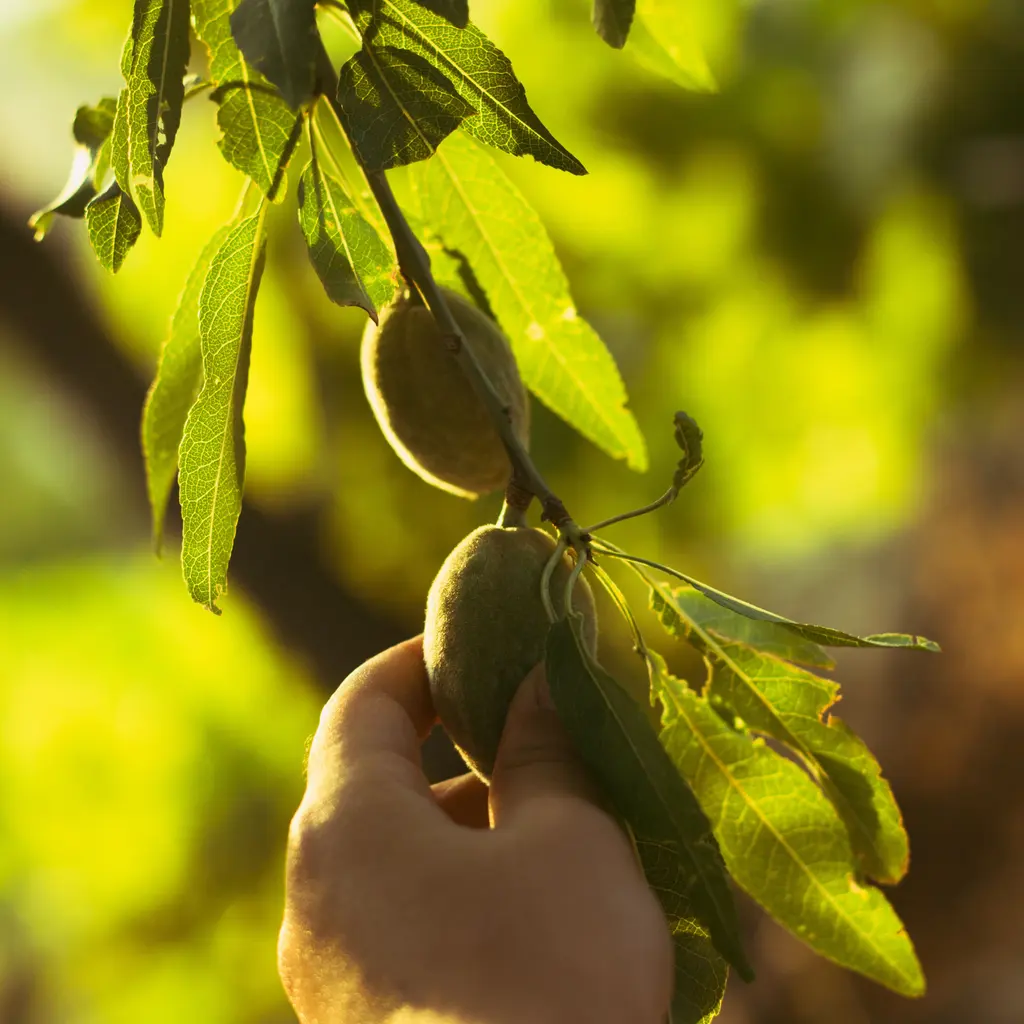
A hand touching green almonds growing on a leafy tree branch.

Industry overview

You grow tree nuts and may hull, dry, store or pack them for sale, sometimes handling nuts for others as well. A failed drying line can affect harvested stock, while a product allegation can follow nuts beyond your premises.

The Southern Agency can review your production, hulling, and storage stages to help you select appropriate insurance. We can discuss your needs for equipment breakdown coverage on dryers and fans, as well as how your liability might apply to shared processing services.

Risks worth discussing

Allergen allegations and product withdrawal

Undeclared allergens or unintended cross-contact during handling or packing can lead to injury allegations and withdrawal decisions. Identify the nut type, actual product, and responsible parties; withdrawing product and defending an injury claim involve different costs and coverage terms.

Harvest machinery damage and failure

Where shakers, sweepers or harvesters are used, overturn, fire, theft, and internal failure can interrupt work. Owned, hired and contractor-operated machines may involve different interests and rental or delay obligations.

Nuts in drying and storage

Fire, moisture, mold, or pests can affect harvested nuts before sale. Establish the lot's condition, when damage arose, ownership, and site; inventory loss and a processor's grade or rejection are different determinations.

Trees and annual production loss

Weather, pests or disease can affect trees, the current crop or both. Replacing a tree, losing a harvest and waiting for future bearing production require separate interests, causes, and valuation.

Hulling and drying interruptions

A huller, dryer, fan or elevator failure can interrupt the actual process and threaten nuts being handled. Machine repair, affected stock, alternate processing, and lost throughput can have different coverage conditions.

Worker injuries and handling conditions

Crews can be injured around moving harvest machines, hullers, conveyors, and loading equipment. Describe dust, chemical work, maintenance, and actual employers as well as the seasonal workforce; do not treat a farm label as a worker-coverage determination.

Coverage worth discussing

Policies to ask about. Which ones fit depends on your operations, your contracts, and the carrier’s forms.

Situations to think through

These hypothetical examples are not agency claim results. Whether a loss is covered depends on the facts, policy terms, and applicable exclusions.

  1. Hypothetical: Undeclared allergen prompts withdrawal

    Hypothetical: a packaged nut product is withdrawn after an undeclared-allergen concern. Product liability may address covered third-party injury claims if they arise. Tracing, withdrawal, disposal, replacement, and a buyer's charges need applicable recall or contamination terms, triggers, limits, and notice conditions; the withdrawal alone does not establish every insured cost.

  2. Hypothetical: Fire spreads from a huller

    Hypothetical: a huller fire damages the shed and nuts awaiting shipment. Applicable property terms must include the building, machine and actual stock owners, values, and cause. The internal machine problem, customers' nuts, alternate processing and income loss require their own comparison rather than assuming one equipment payment covers the whole event.

  3. Hypothetical: Rented shaker overturns

    Hypothetical: a rented shaker overturns during harvest. Applicable equipment terms may address the included machine, location, and accidental damage. Rental loss-of-use charges, substitute equipment, injured operators, and the crop left unharvested are different interests; they do not follow automatically from repair cover.

Before you talk to an agent

What to have ready

Tick items as you gather them. Nothing here is saved or sent.

Questions to raise

  • Separate permanent trees, annual nut production, harvested lots, and property or machines. Check current crop-specific interests, locations, bearing stages, periods, and causes; almond production terms do not establish walnut, pecan or hazelnut eligibility, tree replacement or every disease loss.
  • Map the actual sequence through harvest, hulling, shelling, drying, storage, and sale, including outside facilities and nuts handled for others. Use peak values and ownership at each stage; keep lot condition, moisture or contamination evidence and buyer acceptance distinct from insurance adjustment.
  • Identify who processes, packs and labels each product and which nuts or other ingredients share facilities. Compare downstream injury claims with tracing, withdrawal, disposal, and replacement terms. Have applicable food-safety and labeling duties checked for the products actually sold rather than applying every packaged-food rule to raw production.
  • Review fixed processing and irrigation equipment separately from mobile harvest machinery and rentals. Compare covered failure, wear, power or water interruption, repair, affected stock, and alternate processing. Income waiting and recovery periods may differ from the harvest calendar or time needed to replace trees.
  • Disclose actual chemical application, fuel handling, dust concerns, paid processing or storage and direct sales. Review hired operators, employers and agreements with the corresponding liability, worker or environmental terms; buying processing equipment does not itself define all accepted services.

Contract terms to check

  • Read huller, sheller, dryer, and warehouse agreements for the accepted work, nut ownership, custody, care, lot separation, values, and responsibility for damage. Direct protection for the grower's goods and a provider's legal liability are different bases; a certificate alone establishes neither.
  • Review processor and buyer terms for nut identity, grade, testing, acceptance, packing or labeling, delivery, and rejection. Allocate product notification and withdrawal cooperation, testing, disposal, and replacement charges. A quality adjustment or supply promise is not automatically an insured product or property loss.
  • Compare harvest rentals and custom-work agreements for machines, operators, workers, crop damage, downtime, and loss-of-use charges. Review hauling and outside storage as well; rented equipment damage, cargo and performance costs need actual terms.
  • Check land and equipment lease or finance requests against the actual property and liability interests. Keep private buyer audits, certificates, and insurance limits separate from applicable food, worker, road, chemical, and environmental rules, with qualified review of the duties involved.

What the agent conversation looks like

Start with the work you do and the questions your current policies leave unanswered. Carrier options depend on your location, risk, and underwriting. Explore our approach.

  1. ListenReview your operations, current coverage, and past claims.
  2. AssessIdentify potential hazards and discuss ways to reduce risk.
  3. BuildDiscuss policy and carrier options, premium costs, and audits.
  4. SupportReview changes and help you plan ahead as your needs develop.

Questions owners ask

Does product liability pay for a nut recall?

It may address covered third-party injury or property-damage claims involving the insured product. Testing, tracing, withdrawal, disposal, replacement, and buyer charges require separate recall or contamination terms and conditions. An allergen concern or buyer demand does not establish every first-party cost.

What changes after nuts are harvested?

Identify the actual crop-policy ending point and the stock owner, condition, site, and value through hulling, drying, storage, and delivery. Harvested-stock terms must address the cause; moisture, mold, pests, deterioration, and buyer rejection should not be assumed included.

Does insurance for a rented shaker include internal failure?

Check each machine's ownership, values, work locations, and transit, then accidental damage versus internal failure and wear. Rentals, loss-of-use charges, substitute machines, and delayed harvest have their own conditions.

Does huller repair include damaged nuts and missed orders?

Review eligible failure, affected stock owners and causes, utility interruption, spoilage and income or extra-expense terms separately. The machine, nuts, alternate processing, buyer rejection, and delivery promises can produce different results.

Are all nut crops and the permanent trees insured together?

Do not assume so. Review current commodity, location, bearing-stage, cause, and period conditions for each proposal. Annual production insurance is not proof of tree replacement or income until new trees bear, and one nut crop's terms do not establish another's eligibility.

What should I check for hired harvest and processing crews?

Identify actual employers, tasks, payroll, and work states, including machine operation, hulling, drying, packing, and driving. Review the provider's duties and policies alongside the grower's own arrangements; a seasonal label or certificate does not settle every worker obligation or benefit.

Talk through your tree nut orchard coverage

Bring your questions, current policies, and relevant contracts. An agent can review coverage terms, exclusions, and the information carriers ask for, then explain the options available to you.

How can we help you get started?

Choose the quote that fits, and we’ll take it from there.

Have a question? Contact us