

Frost, hail, and storm crop loss
A single freeze or hailstorm at the wrong time can destroy a season's fruit or nut crop and, in severe cases, damage the trees themselves.
Try a different word, or check the spelling.
An orchard can lose this year's fruit or nuts without losing the trees—or lose both. Check the actual crop and tree terms; a harvest payment does not establish replacement trees or income until they bear again.
The Southern Agency can help review your orchard operations and equipment while keeping crop, tree and post-harvest interests distinct.
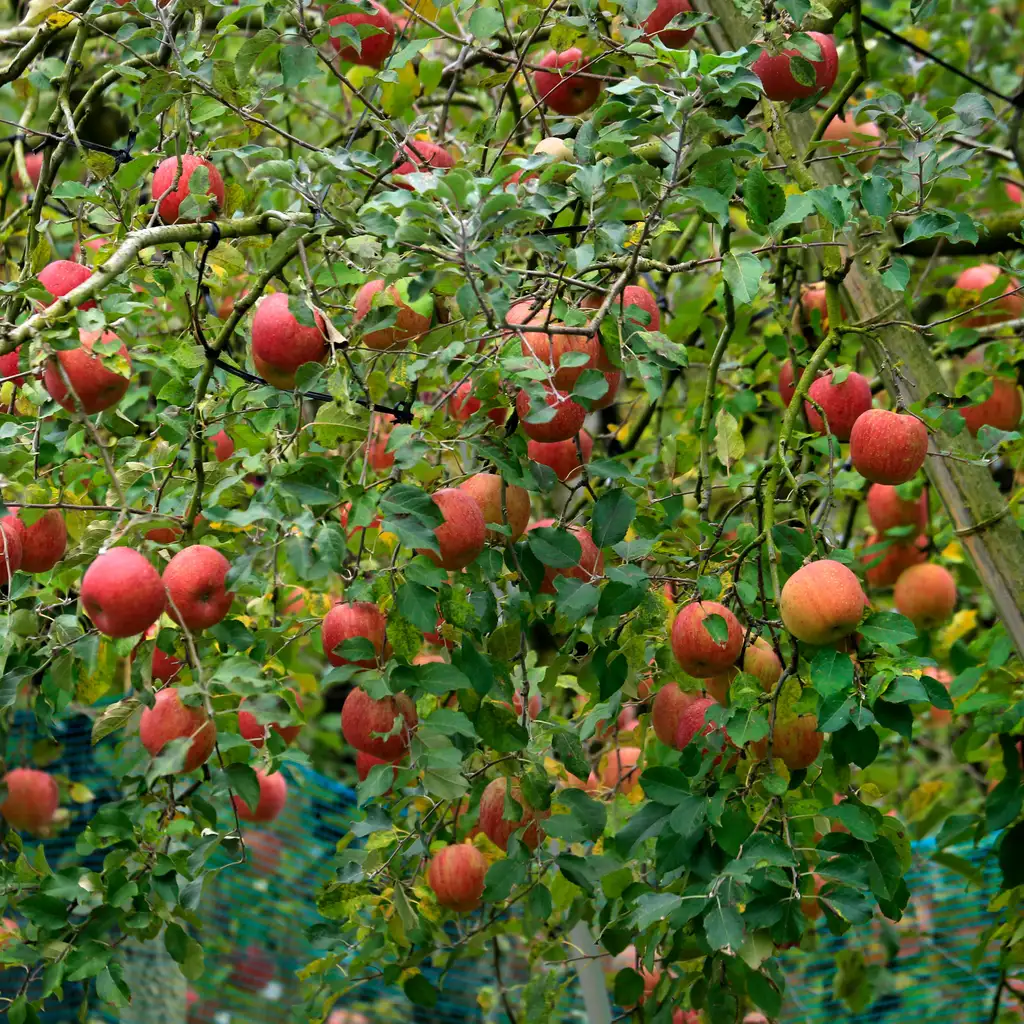
You manage permanent trees and the harvest they produce. Weather can damage the planting or crop, while losses after picking and injuries to harvest crews involve different interests from rebuilding a packing shed.
The Southern Agency can review your specific harvesting methods, visitor activities, and labor arrangements to help select the right insurance for your farm. We can help you distinguish between equipment breakdown protection and crop-loss coverage.
A single freeze or hailstorm at the wrong time can destroy a season's fruit or nut crop and, in severe cases, damage the trees themselves.
Seasonal crews working on ladders and around shakers, conveyors, and bins face falls, strains, and equipment-related injuries during a compressed harvest.
Pesticide and fungicide application and storage create handling, drift, and contamination concerns affecting neighbors or waterways.
Tractors, sprayers, shakers, and harvesters are high-value and exposed to overturns, fire, and mechanical failure during peak season.
Pumps and irrigation lines are essential to tree health, and a breakdown during dry months can stress or damage an entire planting.
Harvested fruit and nuts held for sorting, packing, or sale can be lost to spoilage, moisture, pests, or fire before shipment.
Policies to ask about. Which ones fit depends on your operations, your contracts, and the carrier’s forms.
These hypothetical examples are not agency claim results. Whether a loss is covered depends on the facts, policy terms, and applicable exclusions.
Hypothetical: a freeze damages developing fruit and kills trees in one block. Applicable crop and tree terms must each cover the interest, cause, location, and period. A fruit-production payment does not establish tree replacement or income through the years needed to restore bearing production.
Hypothetical: a picker supplied by a harvest contractor falls from a ladder. Workers compensation may provide benefits under the applicable employment and policy arrangement, but responsibility must be checked. The contractor's certificate and general farm liability do not establish that every worker injury is covered.
Hypothetical: spray drifts onto another grower's crop. Applicable application or environmental terms would need to include the activity and alleged damage. An ordinary liability policy or generic pollution label does not establish payment for drift, the farm's own crop, or regulatory penalties.
Start with the work you do and the questions your current policies leave unanswered. Carrier options depend on your location, risk, and underwriting. Explore our approach.
Do not assume so. Confirm each insured interest, crop, location, cause, valuation, and period. A harvest loss payment does not establish tree replacement or future production income; building coverage establishes neither.
Eligibility and terms can differ by commodity, location, practice, tree stage, and program. Review actual crop and tree documents with an appropriate crop-insurance agent, including reporting and notice conditions.
Machine repair, internal failure, and resulting plant or harvested-stock loss are different questions. Growing-plant exclusions and mobile-equipment eligibility can matter, while utility, spoilage, and income terms require separate confirmation.
Review ownership, insured periods, locations, values, cooling/drying, packing, and transit. A field-crop policy does not establish storage, cargo, spoilage, buyer rejection, or recall reimbursement.
Not automatically. Identify who employs workers, performs work, owns equipment and goods, and accepts indemnity. Compare the actual policies and endorsements with the contract; a certificate alone does not extend the grower's cover.
Describe the specific activities before assuming they are included. Public injury, food/product liability, withdrawal, customer goods, and delivery can involve terms beyond ordinary orchard production.
Bring your questions, current policies, and relevant contracts. An agent can review coverage terms, exclusions, and the information carriers ask for, then explain the options available to you.