Skip to content

Turkey Farm Insurance

Bringing an outside catching crew into your turkey houses adds people whose coverage you may not control. Their work needs to be considered separately from your own staff's bird-care duties.

The Southern Agency can help you review your turkey operation's risks, from ventilation systems to flock management.

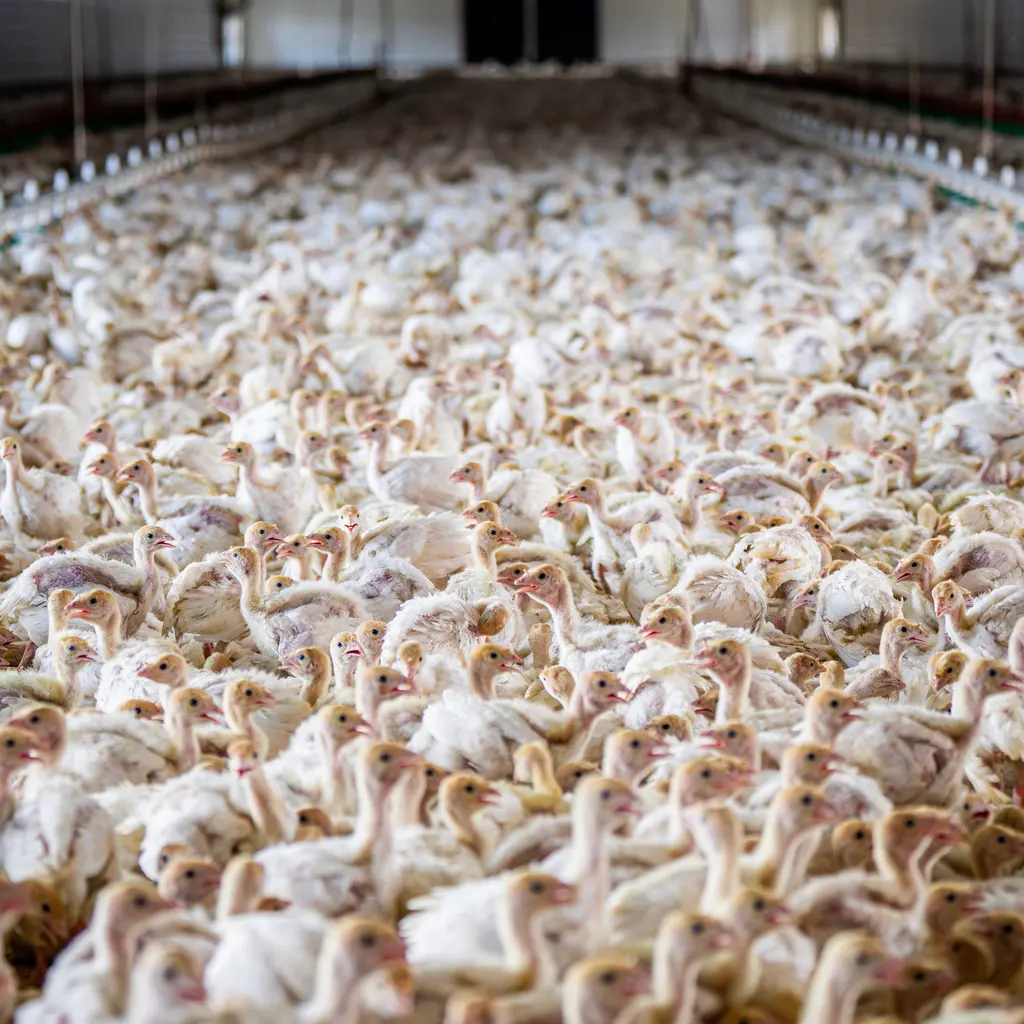
A flock of young turkeys inside a poultry barn.

Industry overview

You care for turkeys through brooding and grow-out, with heat, ventilation and water systems supporting the flock. A heater failure can harm birds, while disease restrictions can delay placements and grower payments without damaging the house.

The Southern Agency can review your grow-out cycles, flock management, and biosecurity protocols to help you select appropriate insurance. For instance, we can compare coverage for your ventilation equipment against the specific liability considerations of working with contract crews.

Risks worth discussing

Avian disease and production restrictions

Disease can cause bird losses, and an official response may involve depopulation or restrictions on movements and placements. Establish which birds, controls, and payment losses actually affect the farm, distinguishing its own losses from a nearby restriction.

Ventilation and heating failure

A fan, heater, control or power failure can harm poults or grow-out birds. Consequences depend on bird stage, housing, conditions, and response arrangements; machine damage and living-bird loss need separate review.

Brooder and barn fire

Fire can damage housing, brooders, feed, and other systems as well as harm birds. Different owners and values can be involved in one house, with rebuilding and the next placement on different schedules.

Feed and water problems

Contamination or interruption can affect flock condition and production. Establish the affected birds, supplier or system, cause and timing; a feed-quality dispute or reduced performance is not automatically insured mortality.

Litter and mortality handling

Litter storage, runoff, and mortality removal can lead to pollution or nuisance allegations. Routine disposal, disease-response work, cleanup, and damage alleged by others are different duties and costs.

Catching and loading injuries

Catching, moving birds, loading, and equipment work can injure farm staff or an outside crew. Identify employers and tasks rather than assume the bird owner's or processor's policy includes everyone on site.

Coverage worth discussing

Policies to ask about. Which ones fit depends on your operations, your contracts, and the carrier’s forms.

Situations to think through

These hypothetical examples are not agency claim results. Whether a loss is covered depends on the facts, policy terms, and applicable exclusions.

  1. Hypothetical: Heater failure affects poults

    Hypothetical: a heater fails during cold weather and poults die. Eligible breakdown terms may address the heater, while an animal exclusion leaves a separate flock question. Any bird-loss terms must include the owner, birds, cause, and conditions; temporary care, missed placements, and buyer commitments do not follow from machine repair.

  2. Hypothetical: Official disease response interrupts placements

    Hypothetical: a highly pathogenic avian influenza (HPAI) response requires destruction of birds and delays placements. Private disease, mortality, and income terms need their own review. USDA APHIS assistance has separate eligible-loss, inventory, valuation, and approval conditions; do not treat it as payment for every dead bird, grower fee or future flock.

  3. Hypothetical: Litter runoff leads to a claim

    Hypothetical: runoff from litter storage reaches a neighboring waterway. Applicable environmental terms may address covered claims or cleanup if the site, activity, and condition fit. Prior conditions, routine handling, disposal duties, and assumed restoration costs can have different treatment; a removal contractor's certificate does not establish the farm's response.

Before you talk to an agent

What to have ready

Tick items as you gather them. Nothing here is saved or sent.

Questions to raise

  • Separate house and equipment replacement values from live birds and the grower's compensation. Identify turkey numbers, stage, and owner by house, including contract birds, and compare the actual causes and valuation under any proposed bird-loss terms.
  • Map heat, ventilation, feed, water, power, controls, and backup dependencies. Review internal breakdown and outside interruption separately, then animal exclusions, temporary-care costs, and income conditions. Backup equipment and biosecurity measures do not themselves establish insurance protection.
  • Distinguish disease deaths, official destruction, restrictions, and delayed placements. Compare actual private terms with any relevant government assistance conditions, including eligible losses and approvals. Neither building coverage nor a neighboring disease event establishes payment for the farm's entire cycle.
  • Use the actual placement, delivery, and grower-payment calendar, including holiday commitments only where they apply. Check the covered trigger, waiting and restoration periods and who decides when birds return; rebuilding a house and restoring contracted payments need not coincide.
  • Describe litter and mortality storage, hired removal, disposal sites, catching crews, and any processing or direct sales. Review environmental, worker, and service responsibilities alongside the producer agreement, without treating a private biosecurity or insurance condition as a universal legal mandate.

Contract terms to check

  • Read grower and processor terms for bird and feed ownership, care and systems, mortality responsibility, reporting, placements, payment interruption and indemnity. A promise to reimburse an integrator or meet a delivery date can exceed the grower's insured loss.
  • Clarify poult receipt, feed quality, catching, loading, live transport, and acceptance with the hatchery, supplier, crews, and carrier. Allocate custody and damage responsibility; a supplier warranty or carrier certificate is not the farm's own flock protection.
  • Review power, alarms, backup, and maintenance services for responsibilities during faults and interruptions. Compare repair duties, response arrangements, and service credits separately from bird loss, temporary care, and missed grower payments.
  • Check litter and mortality-removal duties, disposal sites, and any cleanup or indemnity promises. Compare lease, lender, and processor insured-party requests with actual policies and endorsements. Private insurance and biosecurity conditions, legal worker or animal-health duties and government assistance rules are separate matters.

What the agent conversation looks like

Start with the work you do and the questions your current policies leave unanswered. Carrier options depend on your location, risk, and underwriting. Explore our approach.

  1. ListenReview your operations, current coverage, and past claims.
  2. AssessIdentify potential hazards and discuss ways to reduce risk.
  3. BuildDiscuss policy and carrier options, premium costs, and audits.
  4. SupportReview changes and help you plan ahead as your needs develop.

Questions owners ask

Does government HPAI assistance replace private coverage?

No. Review actual eligible birds and costs, inventory, valuation, and approval conditions separately from private mortality, property, and income terms. Official destruction, birds already dead, movement restrictions and interrupted grower payments should not be treated as the same assisted loss.

Does heater or fan repair include birds lost after failure?

Not automatically. Equipment terms can exclude animals, and outside power loss may have separate conditions. Confirm the turkey owner, birds, stage, cause, values, and safeguards under any bird-loss terms; temporary care and missed placements require their own review.

What changes if an integrator owns the turkeys?

Separate the building, equipment, feed, and bird owners and the grower's compensation. Compare custody, mortality responsibility, systems, indemnity, and payment provisions with actual endorsements. Contract compliance or the owner's insurance does not establish every grower interest.

Does environmental coverage include all mortality disposal?

Check accepted sites, activities, pollutants, loss conditions, cleanup, and third-party claims. Routine disposal, official disease work, prior contamination, and promised restoration can be treated differently; a waste contract or invoice does not establish insured response.

Will income protection pay until the next flock is placed?

Review the insured interest, covered event, waiting conditions, restoration period, and limits alongside actual placements and grower payments. A disease restriction, processor decision, missed holiday order or repaired house does not alone determine the income payment.

Who should be listed for catching and loading work?

Identify the employers, tasks, work states, and payroll of farm staff and outside crews, including driving and machine work. Check applicable worker duties and coverage with the actual arrangements; a contractor label or processor certificate does not settle every injury claim.

Talk through your turkey farm coverage

Bring your questions, current policies, and relevant contracts. An agent can review coverage terms, exclusions, and the information carriers ask for, then explain the options available to you.

How can we help you get started?

Choose the quote that fits, and we’ll take it from there.

Have a question? Contact us