

Weather and property damage
Wind, hail, fire, and storms can damage barns, outbuildings, fencing, stored crops, and farm dwellings across a large property footprint.
Try a different word, or check the spelling.
Home and livelihood may share your address, but they do not always share coverage. A useful farm insurance review starts with how you actually use the property.
The Southern Agency can help you organize and cover your diverse farming activities, property and production interests.
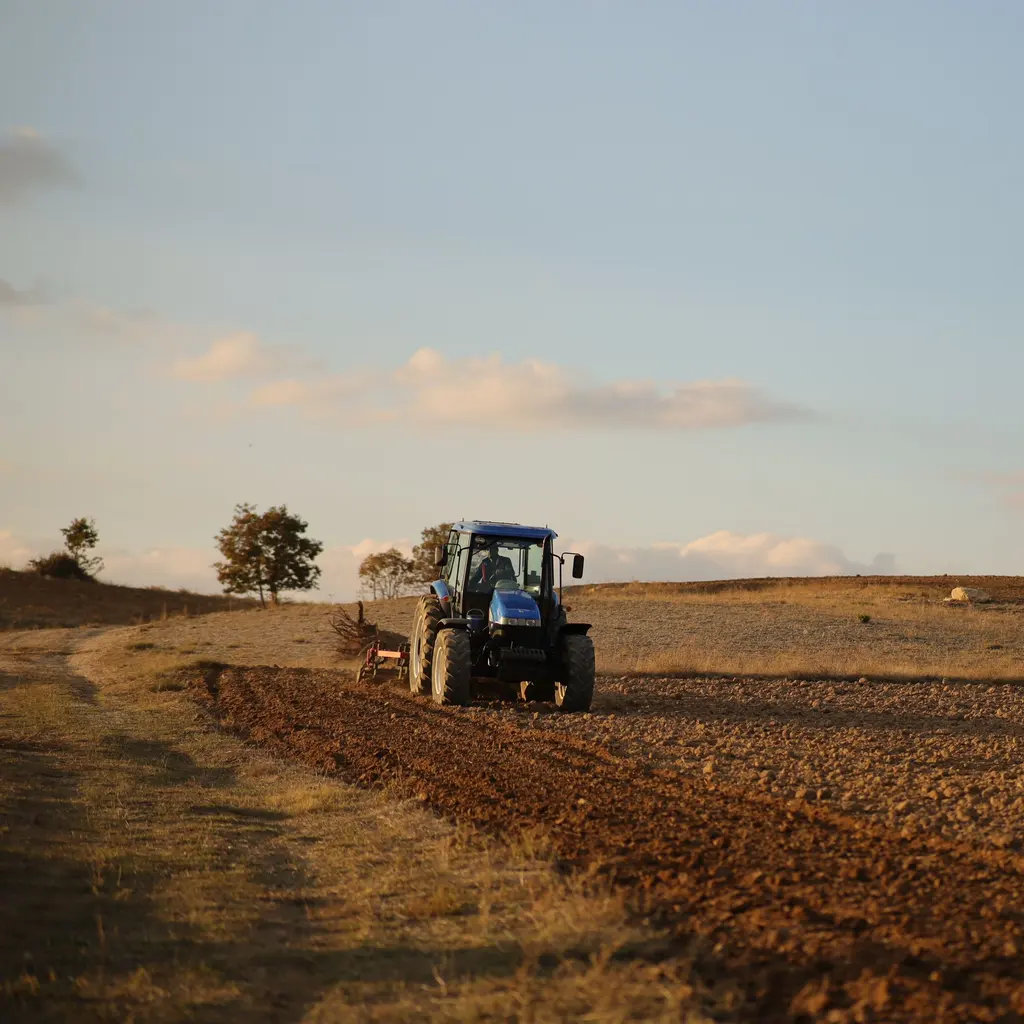
You operate a farm that may combine your residence with commercial production, livestock, storage and machinery. A fire or an injury during your daily farming tasks can result in unexpected costs, and a policy labeled for a farm does not necessarily cover every asset or activity at your address.
The Southern Agency can review your property uses—such as crop production, livestock, direct sales or custom work—to help select appropriate insurance. For instance, we can help distinguish between coverage for accidental damage to mobile machinery and internal breakdown coverage for stationary milking or cooling systems.
Wind, hail, fire, and storms can damage barns, outbuildings, fencing, stored crops, and farm dwellings across a large property footprint.
Tractors, combines, and implements are high-value and exposed to overturns, collisions, mechanical breakdown, and theft in open fields.
Animals can be lost to disease, accident, or weather events, and they can injure handlers or escape onto roads, creating liability.
Seasonal and family labor working around machinery, animals, and heights face strains, falls, and equipment-related injuries.
Buyers, delivery drivers, and agritourism visitors on the property can be injured, creating premises liability exposure.
Fertilizer, pesticide, and fuel storage and application create potential pollution and contamination concerns depending on operations.
Harvested crops and feed held in storage can be damaged by fire, moisture, pests, or equipment failure before sale or use.
Policies to ask about. Which ones fit depends on your operations, your contracts, and the carrier’s forms.
These hypothetical examples are not agency claim results. Whether a loss is covered depends on the facts, policy terms, and applicable exclusions.
Hypothetical: a fire damages a barn owned by one family entity and machinery owned by another. Property coverage depends on the insured interests, scheduled property, valuation, and limits. Insuring the farmhouse or one entity does not establish coverage for every asset.
Hypothetical: a tractor overturns at a rented field. Farm-equipment coverage may address insured accidental damage if the machine and territory fit the form. A later internal engine failure can be treated differently, and bodily injury to the operator is not part of the machine limit.
Hypothetical: a customer slips at a newly opened produce stand. Liability may address a covered premises claim, but the added retail activity and location must fit the insured operations. A personal homeowners policy or production-only description should not be assumed sufficient.
Start with the work you do and the questions your current policies leave unanswered. Carrier options depend on your location, risk, and underwriting. Explore our approach.
No. Check the dwelling and contents schedules, occupants, ownership, and liability arrangements. Some farm packages combine personal and business sections, but the package name is not proof that the residence or every business is insured.
Check ownership, the equipment schedule or blanket terms, territory, off-site use, transit, and covered causes. Internal breakdown can be excluded even when fire, collision, or overturn is insured.
Do not assume so. Review livestock and crop protection separately for insured interests, values, eligible property, and causes. Named-peril livestock coverage can exclude disease or natural causes; broader mortality or crop inquiries do not guarantee availability.
Neither conclusion follows from those labels alone. Verify state agricultural employment rules, actual employer and duties, and policy choices. Outside crews, processing, sales, or housing can add questions beyond ordinary field labor.
Not automatically. Review storage, tanks, application, drift, waste, and insured locations against the actual pollution terms and exclusions. Coverage for one activity or pollutant does not establish coverage for all of them.
Property ownership and values, production, equipment, locations, sales or public activities, workers, vehicles, environmental operations, and losses inform underwriting. Acreage alone does not establish a premium or eligibility.
Bring your questions, current policies, and relevant contracts. An agent can review coverage terms, exclusions, and the information carriers ask for, then explain the options available to you.